Blood Tests to Detect Pollution-Related Inflammation or Infection

Medically Reviewed By
Dr. Mayanka Lodha Seth
Written By Komal Daryani
on Dec 8, 2025
Last Edit Made By Komal Daryani
on Dec 9, 2025
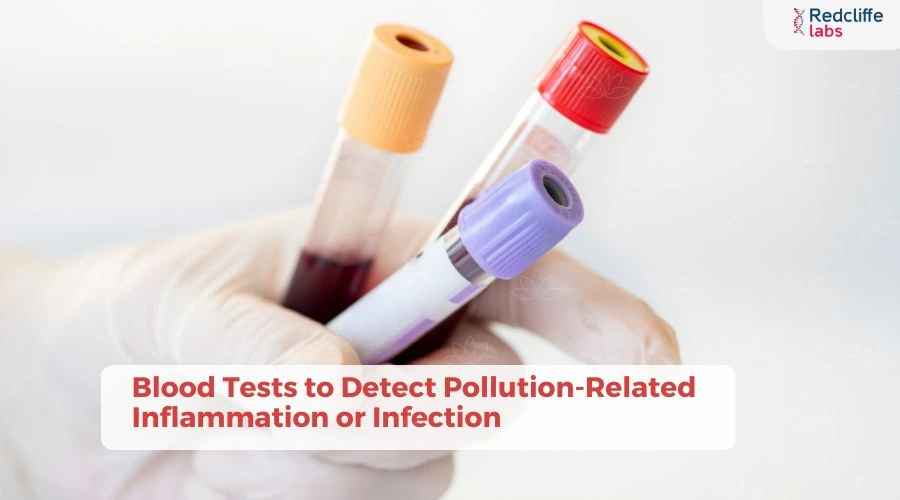
Blood tests to detect pollution-related inflammation or infection
The festival of light is going on, and you are not even concerned about your health. You know, it can be a major red flag for your health.
Winter and pollution hit you hard, and you didn't even get it that fast. So, being aware of your health can be your first step.
But by which way?
Yes, by regular checkups. Regular blood tests can help you stay informed and take control of your health if pollution affects you. Let's understand everything about these tests and what to do if you get a positive result. Let's dive into the blog.
What Is Air-Pollution-Related Inflammation?
Air pollution occurs when one or more pollutants, such as dust, fumes, gas, smoke, or vapour, are present in the atmosphere. Over time, they can be harmful to human health. It can cause inflammation, and the main pathway of exposure is the respiratory tract.
Which blood tests are most effective for detecting pollution-related inflammation?
Understanding this helps you choose the appropriate tests, such as CRP, ESR, or CBC, to monitor your health effectively.
If you want to do a blood test to detect pollution-related inflammation or infection, then you can consider these tests, which are given below:
C-Reactive Protein (CRP) Test
This test is also known as the Protein C-Reactive test. In addition to measuring blood CRP levels, this test helps identify inflammation in the body.
Erythrocyte Sedimentation Rate (ESR or Sed Rate)
This test detects inflammation & diagnoses diseases that cause it.
Fibrinogen Test
The test evaluates blood clotting by measuring fibrinogen levels. A high fibrinogen level is often linked to systemic inflammation.
Complete Blood Count (CBC)
CBC test, also known as Blood Count, RBC Indices, Cell Indices, CBP (Complete Blood Picture), Haemoglobin Test, blood test, Complete Blood Examination.
It helps detect infections, anemia, immune response, and overall health status.
Limitations of Blood Tests
Blood tests are essential for detecting diseases, monitoring health, and guiding treatment. However, they also have some limitations that you should know:
Cannot Detect All Conditions
Some diseases or early-stage conditions may not show changes in blood parameters.
Influenced by External Factors
Factors like diet, exercise, stress, hydration, and medications can influence blood test results, so understanding these helps you interpret your results more accurately and reduces unnecessary worry.
Not Always a Standalone Diagnostic Tool
Blood tests are often used alongside other tests, physical exams, and patient history. Doctors interpret blood results in context, not in isolation.
Invasive and May Cause Discomfort
Requires needle insertion, which may cause pain, bruising, or minor infection in rare cases.
Ways to Reduce Pollution-Related Inflammation
Air pollution can trigger inflammation in your lungs and throughout your body, leading to breathing issues, fatigue, and long-term health problems.
Here's a table on how you can protect yourself,
|
Ways |
Description |
Why? |
|
Monitor Air Quality Daily |
Limit your outdoor activities |
When pollution levels are high, especially for children, older people, and people with respiratory conditions. |
|
Use Protective Masks |
Wear N95 or N99 masks when stepping out in highly polluted areas |
A mask can filter harmful particles and reduce the amount of pollutants that can enter your lungs. |
|
Keep Indoor Air Clean |
Use air purifiers with HEPA filters at home |
Use a purifier and avoid opening windows during heavy smog or peak traffic hours. |
|
Maintain a Healthy Diet and Stay Hydrated |
Include anti-inflammatories and keep yourself hydrated |
Food items such as fruits, vegetables, nuts, and omega-3-rich foods. Also, drinking enough water helps flush toxins from your body and keeps your respiratory system healthy. |
|
Avoid Smoking & Secondhand Smoke |
Smoking increases lung inflammation |
It may worsen pollution-related inflammation damage. Avoid exposure to secondhand smoke for better lung health. |
Final Takeaway
Pollution can affect your lungs, heart, and other organs if it causes inflammation or infection through polluted particles. However, if you want to detect inflammation, you can book your test at Redcliffe Lab. Here, you will get a test including CBC, CRP, and fibrinogen tests, with free consultation from specialized professionals.
Maintaining a healthy lifestyle, staying hydrated, avoiding smoking, and doing regular checkups can be beneficial.
FAQ
What blood tests can detect inflammation caused by air pollution?
Blood tests such as C-reactive protein (CRP), Erythrocyte Sedimentation Rate (ESR), and Complete Blood Count (CBC) can detect early signs of inflammation caused by air pollution. These tests can help you catch health issues early and stay ahead of potential problems.
Can air pollution increase the risk of infections detectable by blood tests?
Yes, air pollution can weaken your immune system and increase the risk of infections. Blood tests like CBC and CRP can help detect these infections by showing elevated white blood cell counts or elevated inflammatory markers. This helps identify early signs of pollution-related infections.
How does the CRP test help in detecting pollution-related inflammation?
The CRP test measures the level of C-reactive protein in the blood, which rises when the body is inflamed. Exposure to polluted air can increase CRP levels, indicating that your body is under stress or experiencing inflammation from harmful air pollutants.
Are there specific blood tests for respiratory pollution exposure?
While no single test directly measures pollution exposure, blood tests like CRP, ESR, and CBC can reflect inflammation caused by respiratory pollutants. These tests help monitor how air pollution is affecting your lungs and overall health.
How often should you consider getting these blood tests if living in a polluted city? Regular testing every 3-6 months can help you catch early signs of inflammation and protect your health.
If you live in a highly polluted city, it's recommended to get inflammation and infection-related blood tests every 3-6 months. Regular testing helps track changes in your health and detect early signs of pollution-related issues before they become serious.