Amla Benefits for Hair: Growth, Strength & Shine

Medically Reviewed By
Dr. Geetanjali Gupta
Written By Sheena Mehta
on Jan 5, 2026
Last Edit Made By Sheena Mehta
on Jan 28, 2026
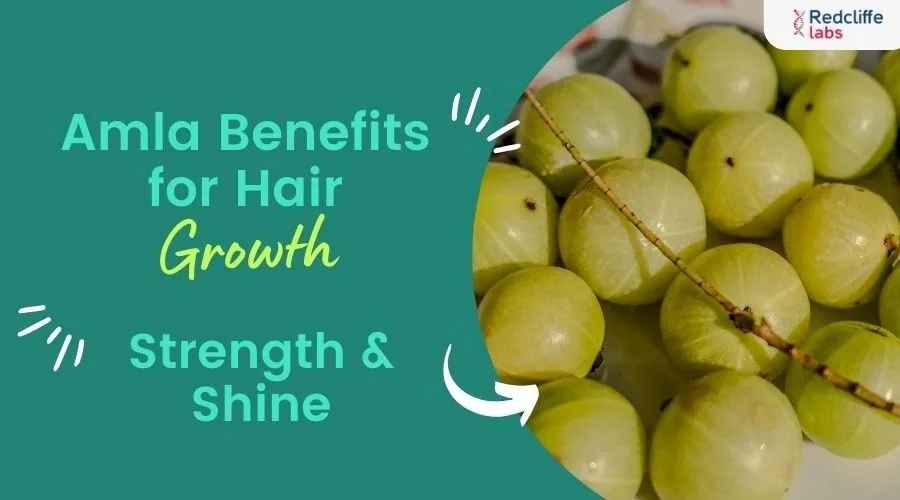
Sardiyon ka season cozy lagta hai, lekin baalon ke liye kaafi harsh hota hai. Dry scalp, frizz aur hair fall jaise problems ke liye amla ek natural saviour ban sakta hai.
Or
Winter brings cozy vibes, but your hair doesn’t enjoy the season as much. Dry scalp, frizz, and hair fall become common and that’s when amla comes to the rescue.
What is Amla (Indian Gooseberry)?
Amla is a small green fruit that is high in vitamin C and contains antioxidants and essential minerals.
Key Nutrients in Amla:
- Vitamin C: Boosts collagen production, strengthens the hair strands, and helps reduce hair fall.
- Calcium: Maintains strong hair structure and prevents it from breaking.
- Iron: Improves blood flow to the scalp, supporting healthy hair growth.
- Phosphorus: Feeds hair follicles and supports healthy hair growth.
- Vitamin B (B complex): Keeps the scalp healthy and helps reduce thinning and premature greying.
- Protein: Builds hair structure, making strands thicker and more resilient.
- Fiber: Detoxifies the body, indirectly, supporting faster hair growth.
- Carotene: An antioxidant that protects hair follicles from damage and dullness.
In Ayurveda, amla is considered a "rasayana," a rejuvenating herb that improves overall nourishment from within, especially for hair follicles.
Book a healthy hair package from Redcliffe Labs- Strong hair starts with the right nutrition.
Why Amla for Hair: 8 Key Benefits Backed by Tradition
Hair problems increase during winters due to dryness and poor blood circulation in the scalp. Amla helps overcome these problems:
Using amla for hair care is a centuries-old tradition that supports scalp and hair health.
Making Amla powder at home is simple. First, take dried amla, cut it into small pieces, and grate it, if needed. Finally, grind the pieces finely to obtain amla powder.
- Keeps Dandruff at Bay: Amla's antimicrobial properties help control flaky scalp and soothe irritation.
- Nourishes Hair and Adds Shine: Deeply nourishes hair shafts, restoring softness and natural shine.
- Detangles Knots: Smoothens hair cuticles, making strands easier to comb and manage.
- Prevents Premature Greying: Supports melanin production, helping delay early greying.
- Promotes Blood Circulation: Improves scalp blood flow, ensuring better nutrient supply to hair follicles.
- Balances Scalp pH: Maintains the scalp's natural pH, reducing dryness and excess oil.
- Reduces Hair Fall: Strengthens roots and minimizes breakage-related hair shedding.
- Protects from Environmental Damage: Antioxidants protect hair from pollution, UV rays, and oxidative stress.
Also read:
Buy Amla Hair Care: Because Grandma Trusted It
Amla is already in the market. According to Grandma, this inexpensive fruit has innumerable benefits.
Often referred to as Indian Gooseberry, it is a small sour, yellow, green berry that has already earned the name of a superfruit for offering countless magical health benefits. Our ancestors used this fruit for hair, skin, and general health.
Grandma Reveals: Time-Tested Amla Wisdom
- Amla can be eaten raw, but due to its sour taste, many people prefer amla juice, powder, chutneys, or murabbas.
- Amla stimulates hair growth and improves the quality of your hair. It also purifies the blood and helps retain the natural color of hair by preventing premature aging.
- Mix amla oil or powder with coconut oil or sesame seed oil. Apply this mixture to your scalp to reduce dandruff, dry scalp, and improve the quality of your hair.
- Its cooling nature helps calm scalp inflammation, especially during summers or stress-related hair issues.
- Consistent use of amla improves hair thickness and manageability, making hair easier to comb and style.
No chemicals, no shortcuts, a simple remedy that survived generations because it worked.
But grandma’s love for amla didn’t stop at hair. She firmly believed her one-ingredient is a solution for healthy skin, strong immunity, and glowing hair that follows naturally.
- Amla contains a high amount of antioxidants, which help to reverse premature signs of aging.
- Antibacterial and astringent qualities of amla help fight infection.
- Amla or Indian Gooseberry is rich in vitamin C which helps increase the formation of collagen, thus minimizing fine lines and wrinkles.
- Mix amla powder with rose water or curd and apply it as a face mask.
- Apply amla oil on the body and bathe for a few hours.
- The citric acid in Amla helps prevent iron accumulation in cells, thus lowering the risk of diseases such as Alzheimer's & stroke.
- Vitamin C in Amla helps to boost immunity.
Did you know?
- 100 g of amla contains almost the same amount of vitamin C as oranges.
- One amla can provide 600-800% of the daily vitamin C requirement.
- Amla also helps in managing blood sugar level by preventing pancreatitis.
- Amla is also high in vitamin A which can help promote eye health. Additionally, it helps to prevent age-related macular degeneration.
- Amla reduces discomfort and increases mobility in osteoarthritis.
Amla for Hair: Ayurvedic Perspective
Ayurveda reveals that amla is a remedy for Pitta dosha that is frequently the cause of hair fall, greying, and scalp inflammation.
Applying it regularly not only helps to cool the scalp, but also purifies the body and thus revitalizes hair from the roots.
Who Should Be Careful While Using Amla?
- People with very dry scalp should always mix amla with oil or curd
- Those with low blood sugar should avoid excessive amla juice.
- Do a patch test before applying amla powder or oil directly.
Precautions While Using Amla for Hair Growth:
While Amla is natural, always use it mindfully:
- If your scalp is dry or sensitive, then mix amla powder with coconut oil, curd, or aloe vera so as to not dehydrate it any further.
- If you have low blood pressure, drink amla juice in moderation.
- Always do a patch test before putting amla oil or amla powder on your scalp or skin.
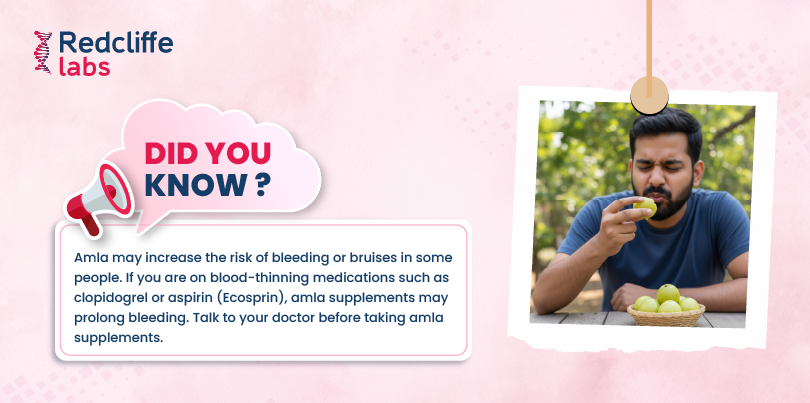
- Consult with your doctor before taking amla supplements or amla juice daily if you are pregnant or nursing (breastfeeding).
Conclusion
Winters may be harsh on you, but nature has always had a solution. Amla has been used for centuries to nourish the scalp, strengthen hair roots and bring back natural shine without the use of chemicals or shortcuts.
In the modern world, amla proves that real hair care begins from within. From grandma oil to modern hair care products, and when consistently and properly used, amla not only supports healthy hair but also glowing skin and overall wellness.
Sometimes, the best solution isn’t new. It’s already sitting in your kitchen.
FAQs
1. Does amla really help with hair growth?
Amla (Indian Gooseberry) has been shown to promote hair growth by increasing blood circulation to the scalp, strengthening the hair follicles, and providing antioxidants and vitamin C. These nutrients help create an environment for hair growth by supporting the production of collagen while reducing oxidative damage.
2. Can I eat 2 amla daily for hair growth?
Generally, 1-2 amla per day are considered safe for the majority of people, and may support hair growth by improving nutrient absorption and boosting vitamin C levels. However, it is advisable that those with diabetes or high acidity should consume it in moderation and consult a doctor if needed.
3. How can I use amla for hair at home?
You can use amla in the following ways:
1) Massage amla oil into the scalp.
2) Combine amla powder with curd or coconut oil to use as a hair mask
3) Eat either fresh amla or drink its juice.
By using amla regularly, you can take care of your scalp, strengthen your hair roots and improve the natural texture of your hair.
4. Can amla prevent premature greying of hair?
Consistent use of amla helps support melanin production and provides antioxidants that may help slow early greying of hair. Although amla cannot reverse genetic greying, consistently using it may slow early greying caused by oxidative stress, nutritional deficiencies, or scalp imbalances.
5. Is amla suitable for all hair types?
Yes. Amla is appropriate for most hair types. If you have dry or sensitive skin, always mix amla powder with hydrating ingredients, such as oil, curd or aloe vera, to prevent the possibility of irritation due to dryness, especially in winter.
6. Can amla cause dryness or irritation?
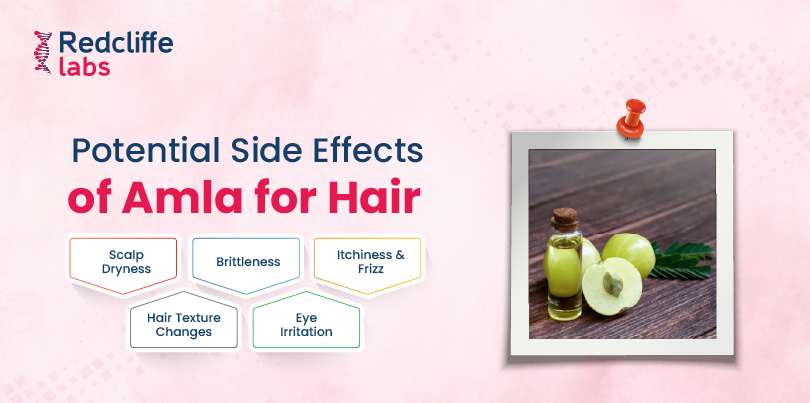
Yes. Using an excessive amount of amla, especially if it is in a powdered form, can cause dryness or irritation. When using a dried form of amla, always mix it with a hydrating ingredient, avoid leaving it on too long, and do a patch test prior to using it on the scalp.
7. How long does it take to see results from using amla for hair?
With consistent use, improvements in hair texture and scalp health may be seen within 4-6 weeks. Noticeable hair growth and reduced hair fall usually take 2-3 months, depending on diet, hair care routine, and overall health.