7 Symptoms of Pancreas Problems: Check Now

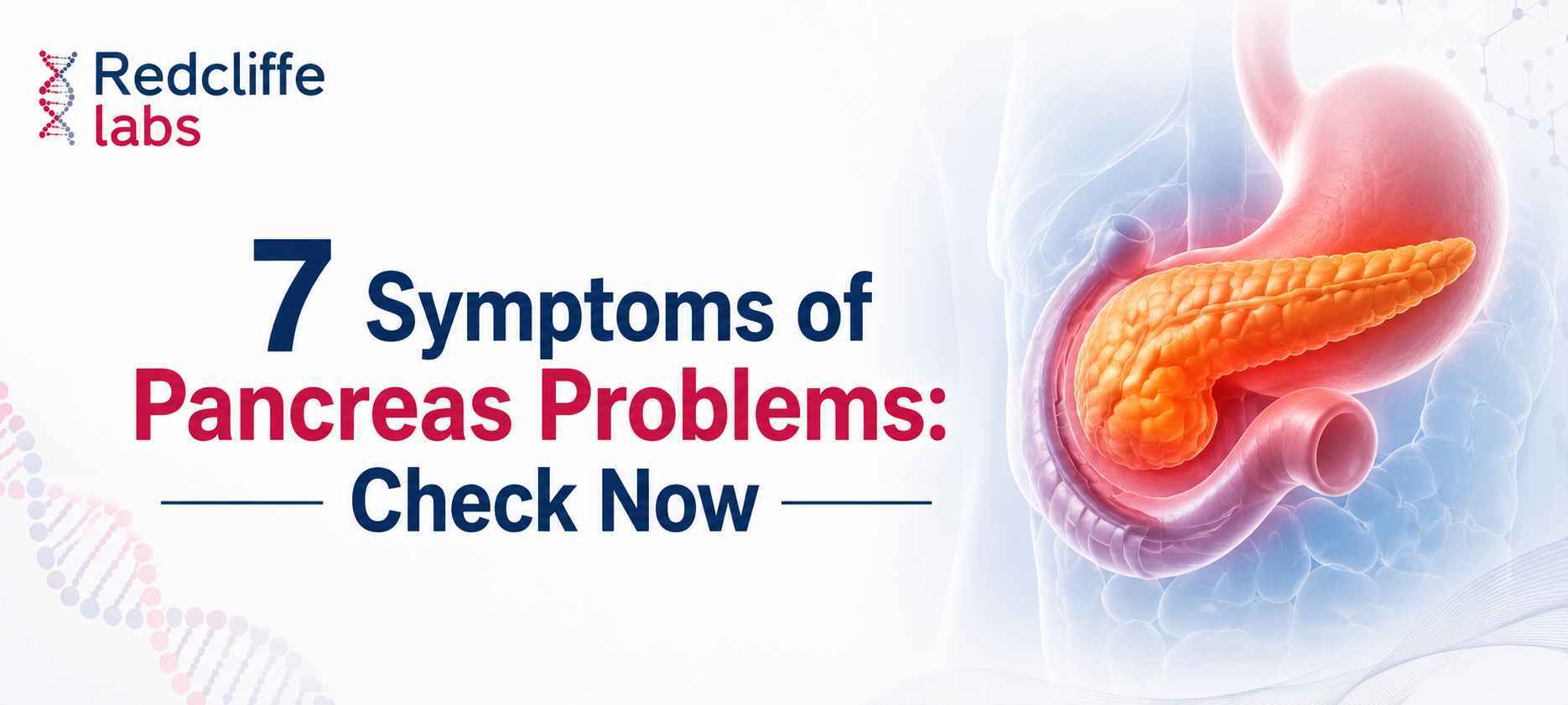
Your pancreas works quietly inside your body every single day. It sits behind your stomach and is about the size of your hand. You hardly ever think about it. Yet this small organ does two very big jobs. It helps you digest your food, and it keeps your blood sugar at the right level. So when your pancreas gets sick, your whole body feels it.
And pancreas problems are far more common than most people think. In fact, India reports more new cases of sudden pancreas swelling, called acute pancreatitis, than any other country in the world. Studies found nearly 6.1 lakh new cases in India in a single year, while doctors worldwide saw close to 2.8 million new cases. Some parts of South India report very high rates too, between 114 and 200 cases for every 1 lakh people. Worse, these numbers keep rising, and more young people are getting affected.
Here is the tricky part. Pancreas problems often start with signs that look like normal stomach issues. You may ignore the pain after a heavy dinner. But if you ignore these signs for too long, a small problem can grow into a serious one, like long-term pancreatitis, diabetes, or even pancreatic cancer. India alone recorded nearly 23,000 new pancreatic cancer cases in 2024.
In this guide, Le’ts understand the 7 most common signs of pancreas problems in simple words. Here in this blog, let’s understand why each sign happens, which tests can help you find answers, and when you should call a doctor.
What Does Your Pancreas Actually Do?
Your pancreas plays two key roles in your body.
First, it helps you digest food. It produces powerful digestive enzymes like amylase and lipase. These enzymes travel to your small intestine, where they break down carbohydrates, proteins, and fats so your body can absorb the nutrients.
Second, it controls your blood sugar. It makes hormones such as insulin and glucagon. Insulin pushes sugar from your blood into your cells for energy, while glucagon raises your blood sugar when it drops too low.
When your pancreas becomes inflamed, damaged, or blocked, it struggles to perform both of its jobs. The enzymes can begin attacking the organ itself, and the hormone supply can fall short. This is exactly why pancreas problems show up as digestion issues, blood sugar swings, and a deep ache in your belly.
Now, let us look at the warning signs.
The 7 Symptoms of Pancreas Problems
-
Stubborn Pain in Your Upper Belly
Pain in the upper part of your abdomen is the number one symptom of pancreas problems. Almost everyone with pancreatitis feels it. This pain usually sits just below your ribs in the centre of your stomach, and it often spreads to your back or shoulders.
You may notice the pain grows worse after you eat, especially after a rich or fatty meal. It can feel sharp and deep during a sudden (acute) flare, or it can come and go as a nagging ache when the problem becomes long-term (chronic).
-
Nausea and Vomiting
Your pancreas plays a big role in how you digest food. So when it has problems, your stomach gets upset fast. Feeling sick (nausea) and throwing up (vomiting) often come right after the belly pain. They usually happen after meals, mostly fatty ones.
During an acute attack, you may vomit repeatedly and still feel sick afterward. This happens because the inflamed pancreas disrupts the smooth flow of digestion, and your body reacts by trying to empty your stomach. If you keep vomiting and cannot keep fluids down, you risk dehydration. Pancreatitis already pulls fluid away from your body, so staying hydrated matters a lot. When vomiting joins forces with severe belly pain, do not wait it out at home. See a doctor quickly.
-
Losing Weight Without Trying
Losing weight without trying might look good, but it often signals a problem. When your pancreas cannot make enough digestive enzymes, your body fails to break down and absorb nutrients from your food. As a result, you lose weight even though your appetite and diet stay the same.
-
Jaundice: Yellow Skin and Eyes
Jaundice gives your skin and the whites of your eyes a yellow tint. It happens when bilirubin, a yellow waste product, builds up in your blood. With pancreas problems, jaundice often means something is blocking a tube called the bile duct.
Because jaundice is easy to spot, it gives you a clear understanding of signs. Never ignore it. Get checked urgently with your doctor.
-
Greasy, Foul-Smelling Stools
Many people feel shy to talk about this sign, but it tells you a lot. When your pancreas cannot make enough enzymes to break down fat, the fat passes straight out in your stool. Doctors call this steatorrhea, which means fatty stools.
You might see stools that look pale, bulky, and oily. They often smell stronger than usual and may float in the toilet bowl, leaving a greasy film behind. Some people also notice an oily residue that is hard to flush away.
-
High Blood Sugar and New Diabetes Signs
Your pancreas controls your blood sugar through insulin. When the organ gets damaged, it makes less insulin, and your blood sugar climbs. Over time, this can lead to diabetes.
Watch for the common signs of high blood sugar. You may pass urine often, feel very thirsty, feel hungry all the time, see blurry, or feel very tired. If you suddenly get diabetes later in life with no clear reason, your doctor may want to check your pancreas. This is because new diabetes can sometimes point to a hidden pancreas problem.
-
Constant Fatigue and Weakness
Feeling tired all the time is easy to ignore. But it can be your body waving a red flag. When your pancreas struggles, your body absorbs fewer nutrients and manages energy poorly. The result is a deep tiredness that rest does not fix.
When your body cannot soak up nutrients, you may also run low on vitamins. This can make you weaker over time. Blood sugar ups and downs compound the problem and leave you feeling weak and foggy.
Also Read: 10 Warning Signs of Acute Pancreatitis You Should Know
Other Warning Signs Worth Knowing
The seven symptoms above are the most common, but acute pancreatitis can present with a few additional signs that require prompt attention. During a severe flare, you may develop:
- Fever, as your body fights the inflammation.
- A fast heartbeat, which often comes with pain and dehydration.
- Fast, shallow breathing or shortness of breath.
- A tender belly that hurts even with a gentle touch.
If you notice these signs together with intense abdominal pain, head to the emergency room. Severe acute pancreatitis can turn dangerous quickly, so quick care saves you from serious complications.
Why Do These Symptoms Happen?
Most pancreas signs come from one of two things: a sudden attack or slow damage over time.
- A sudden attack (acute pancreatitis) comes on fast. Gallstones often start it by blocking the tube that drains the pancreas juice. The trapped enzymes then activate inside the pancreas and begin to damage it. This causes strong swelling and pain. Most people get better in a few days with rest, fluids, and pain medicine. But bad cases need hospital care.
- Slow damage (chronic pancreatitis) builds up over years. The pancreas stays swollen and gets scarred. Scarred tissue cannot make enzymes or hormones well. So digestion and blood sugar control slowly break down. This is why long-term cases show signs like weight loss, oily stools, and diabetes.
When you know which type you have, your doctor can pick the right tests and treatment.
What Causes Pancreas Problems?
Several factors can push your pancreas into trouble. The two biggest causes account for most cases:
- Gallstones, which block the bile and pancreatic ducts.
- Heavy alcohol use irritates and inflames the organ over time.
- Other causes and risk factors include:
- Smoking sharply raises your risk.
- High triglyceride levels in your blood.
- High calcium levels in your blood.
- Obesity and a body mass index of 30 or higher.
- Certain medicines that irritate the pancreas.
- A family history of pancreatitis or gallstones.
- Diabetes raises your risk.
- Pancreatic cancer or injury to the organ.
Men, in particular, face a higher risk than women, and lifestyle choices like drinking and smoking add fuel to the fire. The encouraging news is that you can control many of these factors, which we cover below.
Important Blood Test for the Pancreas
You cannot find a pancreas problem just by guessing. The right lab tests give you clear answers. Many of them need only a simple blood or stool sample. If you notice the signs above, your doctor may suggest these tests.
- Serum Amylase and Serum Lipase: These two blood tests measure the levels of pancreatic enzymes in your blood. When your pancreas swells, these enzymes leak into your blood and increase. A level that is three times higher than normal is a strong sign of pancreatitis. The lipase test is very useful because it stays high for longer.
- Blood Sugar Tests (Fasting Glucose and HbA1c): Pancreas damage affects insulin, so these tests check how well your body handles sugar. The HbA1c test shows your average blood sugar over the last two to three months. This helps catch diabetes early.
- Liver Function Test (LFT): This test checks bilirubin and other markers. A high bilirubin level can confirm jaundice and point to a blocked bile duct.
- Lipid Profile: High fat in your blood can cause pancreatitis. This test helps your doctor find that risk and manage it.
- Stool Tests: A stool test can check how well your pancreas releases enzymes. This helps confirm why you have oily stools.
- Scans: Your doctor may also use an ultrasound, CT scan, or MRI to look at the pancreas. These scans can show swelling, stones, cysts, or lumps.
At Redcliffe Labs, you can book many of these tests, like amylase, lipase, blood sugar, lipid profile, and liver function tests, right from your home.
Read more: Pancreatic cancer- causes, symptoms, and treatment
When Should You See a Doctor?
Listen to your body and act early. You can book your appointment with Redcliffe Labs if you notice belly pain that does not improve, ongoing nausea, unexplained weight loss, yellow skin, or greasy stools. These signs deserve a proper check, even if they feel mild at first.
Seek emergency care right away if your abdominal pain becomes so severe that you cannot sit still or find a comfortable position. Pain that pairs with fever, a racing heart, vomiting, or breathing problem urgent attention. You may not always know how serious your condition is, so when in doubt, choose safety and get checked.
How to Keep Your Pancreas Healthy
You cannot stop every cause of pancreatic trouble. But you can lower your risk with a few smart habits. Try these steps to protect your pancreas:
- Cut down on alcohol: Heavy drinking is a top cause of pancreatitis. So it is advised to stop drinking.
- Quit smoking: Smokers face a much higher risk, and quitting may lower it.
- Eat balanced meals: Fill your plate with vegetables, fruits, whole grains, and lean protein. Go easy on fatty foods.
- Drink enough water: Water helps your digestion and your gallbladder.
- Keep a healthy weight: A healthy weight lowers your risk of gallstones, a top cause of pancreas issues .
- Get regular checkups: Simple blood tests help you catch high blood sugar or high blood fat levels early.
Small, steady changes add up. Your pancreas will thank you for them.
The Bottom Line
Your pancreas is small, but it works hard to keep your digestion and blood sugar in balance. When it struggles, it sends signals, and now you know how to read them. Strong belly pain, feeling sick, weight loss with no reason, yellow skin, oily stools, high blood sugar, and constant tiredness all need your attention.
The smartest thing you can do is act early. Do not wait for the signs to pile up or get worse. If your body shows any of these warning signs, talk to a doctor and get the right tests done. Take charge of your health today. Book your pancreas tests with Redcliffe Labs, listen to your body, and give this quiet organ the care it needs.
FAQ’s
1. Can pancreas problems cause diabetes?
Yes, they can. When your pancreas is damaged, it produces less insulin, and your blood sugar rises. Over time, this can turn into diabetes. This is why high blood sugar is one of the main signs of pancreas problems.
2. How do doctors find pancreas problems?
Doctors use blood tests, stool tests, and scans. Blood tests for amylase and lipase check enzyme levels. Scans like CT, MRI, and ultrasound show the organ itself. Your doctor picks the right tests based on your signs.
3. Are pancreatic signs always serious?
Not always, but you should never ignore them. Some sudden attacks clear up in a few days. Others turn serious. You cannot easily judge how bad it is yourself, so it is wise to get checked early.
4. Can I check my pancreas health at home?
You cannot find the problem on your own. But you can book a home sample pickup for tests like amylase, lipase, and blood sugar through labs like Redcliffe Labs. A doctor then reads your results and guides you on what to do next.