Makhana Benefits: Nutrition, Side Effects & Complete Health Guide

What is Makhana?
Makhana (also called fox nuts, lotus seeds, or phool makhana) are the edible seeds of the Euryale ferox plant - an aquatic herb that grows in stagnant ponds and lakes across India, China, Japan, and Korea. The seeds are harvested, sun-dried, and then popped at high heat, resulting in the light, crunchy white puffs you find in Indian markets and health stores.
Used for centuries in Ayurvedic medicine and traditional Indian cuisine, makhana has gained global recognition as a superfood owing to its high protein, low fat, and rich mineral profile. It is naturally gluten-free, making it suitable for people with gluten sensitivity or celiac disease.
Read through the blog to learn six must-know benefits and six side effects of Makhana to improve your well-being. Here we go!
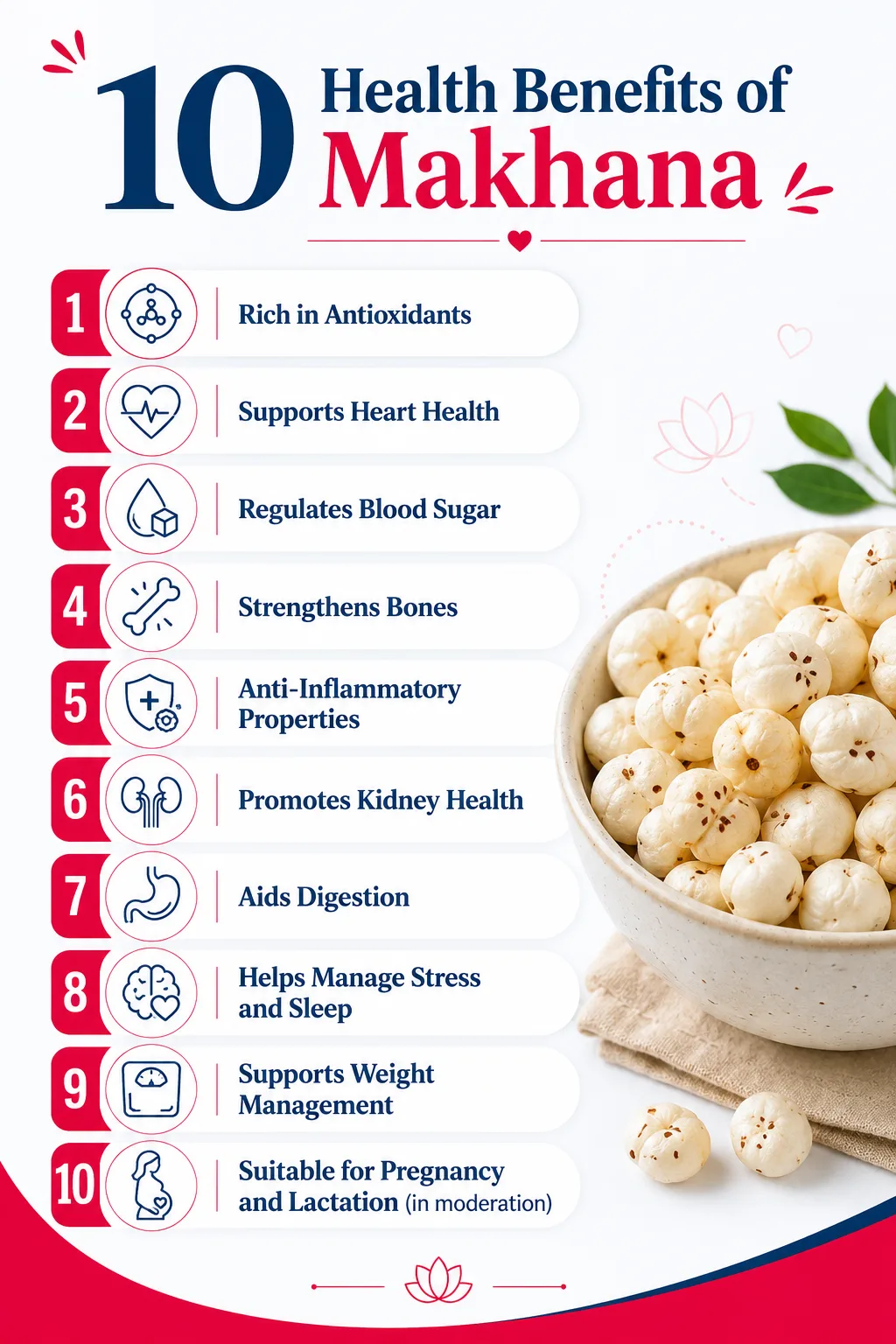
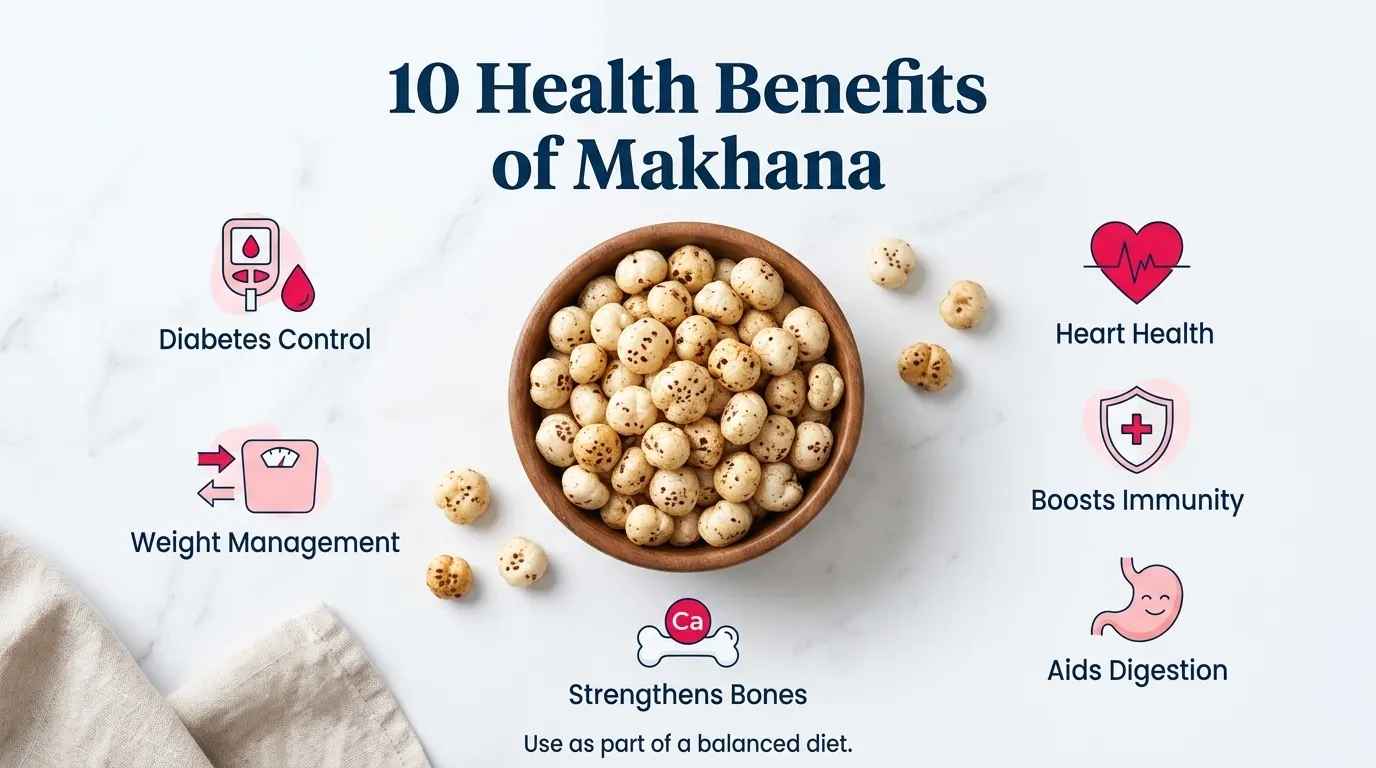
10 Health Benefits of Makhana
1. Rich in Antioxidants
Makhana contains kaempferol and quercetin - two potent plant flavonoids that neutralise free radicals in the body. Free radicals are unstable molecules that can damage DNA and contribute to chronic diseases including cancer and Alzheimer's. Regular consumption of antioxidant-rich foods like makhana helps reduce oxidative stress, supports immune function, and promotes healthy, youthful skin.
2. Supports Heart Health
Fox nuts are low in fat (just 0.1g per 100g) and rich in magnesium and potassium, two minerals that relax blood vessel walls and help lower blood pressure. The kaempferol in makhana also reduces LDL (bad) cholesterol levels and protects against atherosclerosis (hardening of the arteries), making it an excellent snack for people managing cardiovascular risk.
3. Regulates Blood Sugar
Makhana has a low glycaemic index (GI), meaning it does not cause rapid spikes in blood glucose after eating. It's high dietary fibre (14.5g per 100g) further slows sugar absorption in the gut and improves insulin sensitivity. Dietitians widely recommend makhana as a safe snack for people with Type 2 diabetes or prediabetes.
4. Strengthens Bones
With 60 mg of calcium and 367 mg of phosphorus per 100g, makhana supports bone mineral density and helps reduce the risk of osteoporosis, especially in women post-menopause. Calcium and phosphorus together are the primary building blocks of bone and tooth enamel.
5. Anti-Inflammatory Properties
The natural flavonoids and phenolic acids in makhana - particularly kaempferol - inhibit inflammatory pathways in the body. Chronic low-grade inflammation is a root cause of conditions including arthritis, diabetes, and metabolic syndrome. Including makhana in a daily diet can help keep inflammation markers (like CRP) in check.
6. Promotes Kidney Health
Makhana has mild diuretic properties, which support kidney filtration and help prevent the formation of kidney stones. The antioxidants in lotus seeds also protect kidney cells from damage caused by toxins and free radicals. Patients managing early-stage kidney disease often find makhana a safe, low-sodium snack (only 9 mg sodium per 100g).
7. Aids Digestion
The 14.5g of dietary fibre per 100g in makhana bulks up stool, promotes regular bowel movements, and acts as a prebiotic - feeding beneficial gut bacteria. A healthy gut microbiome is linked to better immunity, improved mood, and lower risk of colorectal conditions.
8. Helps Manage Stress and Sleep
Magnesium (221 mg per 100g) plays a key role in regulating the nervous system and the production of melatonin, the sleep hormone. Adequate magnesium intake is associated with reduced cortisol levels, lower anxiety, and improved sleep quality. Consuming a small bowl of makhana in warm milk at bedtime is a traditional Indian remedy for insomnia that nutritionists now back with science.
9. Supports Weight Management
At 347 kcal per 100g with just 0.1g fat, makhana is a calorie-efficient, filling snack. Its high protein (9.7g) and fibre content promote satiety, reducing the urge to overeat between meals. Swapping 30g of makhana in place of chips or biscuits can cut snack-time calorie intake by 40–50%.
10. Suitable for Pregnancy and Lactation (in moderation)
Makhana provides folate, iron (1.9 mg), and calcium - all critical nutrients during pregnancy and breastfeeding. However, it should be consumed in moderate amounts (20–30g per day) during pregnancy, as excessive quantities may generate heat in the body. Always consult your gynaecologist before adding any new food regularly during pregnancy.
Makhana Nutritional Value (Per 100g)
One of the strongest reasons makhana is considered a superfood is its impressive nutrient density. Below is the complete nutritional profile per 100 grams:
Makhana is also a natural source of the antioxidants kaempferol and quercetin - flavonoids that protect cells from oxidative damage and have demonstrated anti-inflammatory effects in multiple studies (USDA FoodData Central; Molecules journal, 2019).
Makhana vs. Other Snacks (Comparison)
Makhana stands out for its near-zero fat content and low glycaemic index - making it the best option among popular snacks for weight-watchers and diabetics.
Who Should Eat Makhana?
Makhana is beneficial for a wide range of people:
- Diabetics and prediabetics - low GI, helps maintain stable blood sugar
- Heart patients - low-fat, high magnesium, and potassium
- People with arthritis - anti-inflammatory flavonoids
- Pregnant women - iron, calcium, and folate (in moderation)
- Children - high calcium supports growing bones; gluten-free
- Elderly - supports bone density and kidney health
- Weight loss seekers - filling, low-calorie, low-fat snack
- Insomniacs - magnesium supports melatonin and sleep quality
How to Eat Makhana for Best Results
Recommended daily amount: 30g (approximately one small bowl)
Preparation methods:
- Plain roasted - Dry roast in a pan on low heat for 8–10 minutes until crisp. The healthiest option.
- Spiced roasted - Toss with a teaspoon of ghee and a pinch of rock salt, black pepper, and turmeric. Roast for 10 minutes.
- Makhana kheer - Simmer in low-fat milk with dates and cardamom for a nutritious dessert.
- Makhana raita - Add roasted makhana to curd with cumin and coriander.
- Bedtime milk - Stir 5–6 roasted makhana into a glass of warm milk for better sleep.
Best time to eat: As a mid-morning or evening snack, or before bed if targeting better sleep.
Potential Use of Makhana as an Antioxidant
Consuming a handful of them every day will improve digestion. It is also a great anti-aging food that will give you youthful and radiant skin.
- Maintain your heart health: Fox nuts are a great snack for heart patients and people with diabetes. They are low in fat and rich in fiber and protein, which helps reduce LDL (bad) cholesterol levels and improve overall heart health.
- Contains anti-inflammatory properties: The natural flavonoid kaempferol in Makhana helps fight inflammation. Regular consumption of Makhana seeds aids in the regeneration of dead tissues and provides relief from chronic inflammation.
- Good for Bones: Calcium is good for bones. Makhanas have high calcium content and carbs, which help build bone density and strength.
- Regulates blood sugar: Dietitians highlight that Makhana is a superfood for individuals aiming to regulate their blood sugar levels. Makhana or fox seeds' low glycemic index plays a key role in managing blood sugar levels effectively.
- Fight Insomnia: Nutritionists consider Makhana's sleep-inducing snacks that fuel better sleep. They have nerve-stimulating properties that lower tension and anxiety.
Helping Tips:
- Taking Makhana in a boiled glass of milk daily at bedtime corrects sleep disorders and improves sleep patterns.
- Follow a sleep schedule. Sleeping and waking at the same time every day, even on weekends.
- Practice yoga or meditation before bed, which also helps improve sleep quality.
Undeniably, Makhana is becoming everybody's favorite because of its proven and reliable health benefits. Along with India, countries like Japan, Korea, and Russia are major producers. Makhana seeds are one of the best choices of plant-based protein, including gluten-free, high in fiber, calcium, and iron, and useful for fighting various allergies. Discovering the downsides of consuming Makhana on the body is equally important to making informed choices for a mindful and balanced lifestyle.
Makhana side effects
- Lotus seeds can be consumed raw, cooked, uncooked, or ripened. However, excessive consumption may cause constipation, bloating, or flatulence.
- Pregnant women and lactating mothers should be cautious when consuming fox seeds. Overconsumption may produce excessive heat in the body, which can be hazardous to their health.
- If you have diabetes, you must consult your doctor before consuming lotus seeds, as they may trigger your insulin levels.
- Makhana seeds processed with salt and spices may increase a person's risk of high blood pressure.
- Remember, poor-quality or contaminated Makhanas tend to put your health at high risk.
- Dieticians believe that consuming many lotus seeds can create allergic reactions.
Final Views:
So, now you know Makhana's benefits and side effects. It is a versatile food made from the seeds of a lotus flower and is also gluten-free. It is a complete snack full of essential nutrients. Their adequate consumption in plain or roasted form will satisfy midday cravings and promote overall health.
Frequently Asked Questions (FAQs): Makhana Benefits and Side Effects
What is makhana and where does it come from?
Makhana, also known as fox nuts or lotus seeds, are the popped seeds of the Euryale ferox aquatic plant. They are harvested mainly in Bihar (India), China, Japan, and Korea, and have been used in Ayurvedic medicine for over 3,000 years.
What are the health benefits of eating makhana daily?
Daily consumption of 20–30g of makhana supports heart health (low fat, high magnesium), blood sugar regulation (low GI, high fibre), bone strength (calcium and phosphorus), anti-inflammatory action (kaempferol and quercetin), better sleep (magnesium), and digestive health (prebiotic fibre).
What is the nutritional value of makhana per 100g?
Per 100g, makhana provides 347 kcal, 9.7g protein, 0.1g fat, 76.9g carbohydrates, 14.5g dietary fibre, 60mg calcium, 1.9mg iron, 221mg magnesium, 367mg phosphorus, and 350mg potassium.
Can diabetics eat makhana?
Yes. Makhana has a low glycaemic index and high dietary fibre, which slows glucose absorption and helps maintain stable blood sugar. However, people on diabetes medication should consult their doctor and monitor portions (30g per day is a safe guideline).
Does makhana help with weight loss?
Yes. Makhana is low in fat (0.1g per 100g) and high in protein and fibre, both of which promote satiety. Replacing high-calorie snacks with 30g of plain roasted makhana can reduce daily calorie intake significantly and support weight management goals.
What are the side effects of eating too much makhana?
Excessive makhana consumption (above 60–80g per day) may cause bloating, constipation, or flatulence due to its high fibre content. Salted/spiced variants may raise blood pressure. People with diabetes, kidney disease, or pregnancy should stick to moderate portions and consult a doctor.
Is makhana safe during pregnancy?
Yes, in moderation (20–30g per day). Makhana provides iron, calcium, and folate beneficial during pregnancy. Excessive intake should be avoided as it may generate excess heat in the body. Always check with your gynaecologist.
How should I store makhana?
Store makhana in an airtight container at room temperature, away from moisture. Properly stored, it keeps well for 6–8 months. Avoid buying loose makhana from uncovered bins due to contamination risk.