Paneer Protein Per 100g: Nutrition Facts, Benefits & Health Value

Are you a fitness enthusiast but follow a vegetarian diet? Wondering how to meet your daily protein requirements?
When it comes to plant-based or vegetarian protein sources, paneer and soybean are often compared, as both offer a similar protein contribution. However, paneer remains a popular choice because it is easy to cook, highly versatile, and delicious.
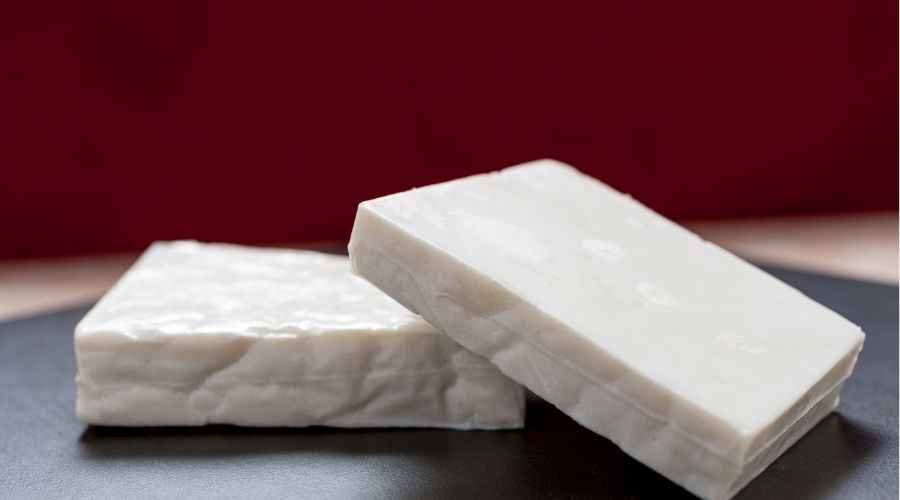
Paneer is a soft dairy product made by curdling milk using natural food acids like lemon juice or vinegar. During this process, most of the whey (which contains lactose) is removed, making paneer lower in lactose compared to milk and easier to digest for many people.
With growing health awareness, more individuals are focusing on protein-rich diets along with essential vitamins and minerals to stay fit and active. Protein plays a key role in muscle repair, hormone production, and overall body function.
Paneer is not just tasty, it is a nutrient-dense food rich in protein, calcium, phosphorus, and essential amino acids that support overall health and development.
If you exercise regularly, your body needs extra protein to repair and build muscles effectively.In this guide, we’ll explore paneer protein per 100g, its complete nutritional value, health benefits, comparisons with other protein sources, and practical ways to include it in your daily diet.
How much protein is in 100 grams of paneer?
So, how much protein does paneer contain?
On average, 100 grams of paneer contains 18–20 grams of protein, making it a strong vegetarian protein source.
This makes it especially useful for individuals who struggle to meet daily protein requirements through plant-based diets.
Who Should Eat Paneer?
Paneer is suitable for a wide range of individuals:
Vegetarians – A complete protein source for meeting daily protein needs.
Fitness Enthusiasts & Athletes – Supports muscle recovery due to slow-digesting casein protein.
Older Adults – Helps maintain bone density and prevent muscle loss.
People with Mild Lactose Sensitivity – Lower lactose content makes it easier to digest than milk.
People with Dairy Allergies (Avoid) – Should avoid paneer due to milk protein sensitivity.
What Type of Protein Does Paneer Contain?
Paneer contains casein protein, a slow-digesting protein that:
- Releases amino acids gradually
- Keeps you full for longer
- Supports sustained muscle repair and recovery
Protein Quality in Paneer
Paneer is considered a complete protein source, as it contains all nine essential amino acids that the body cannot produce on its own. This makes it highly beneficial for muscle growth, tissue repair, and overall health.
Nutritional Value of Paneer (Per 100g)
Nutrient
Protein
Energy
Total Fat
Saturated Fat
Cholesterol
Carbohydrates
Sugars
Dietary Fiber
Calcium
Iron
Sodium
Potassium
Value
18–20 g
321 kcal
22–25 g
14–16 g
84–89 mg
3.5–4.5 g
2.8 g
0 g
480–714 mg
0.2 mg
18–916 mg
157 mg
% Daily Value (DV)*
36–40%
-
34–39%
70–80%
28%
1–2%
-
0%
48–71%
1%
1–39%
3%
Essential Nutrients in Paneer
Calcium
Paneer contains a high amount of calcium, essential for strong bones, teeth, muscle function, and nerve signaling.
Phosphorus
Supports energy production, bone strength, and cellular function.
Magnesium
Helps regulate muscle function, nerve health, and metabolism.
Essential Amino Acids
Paneer provides all nine essential amino acids, making it a complete protein source.
Paneer vs Other Protein Sources (Per 100g)
Protein Source
Paneer
Chicken Breast
Tofu
Lentils
Eggs
Milk
Greek Yogurt
Protein
18–20 g
31 g
8 g
18 g
12 g
3.2 g
10 g
Calories
~321 kcal
~165 kcal
~76 kcal
~116 kcal
~155 kcal
~61 kcal
~59 kcal
Key Nutrients
Calcium, Phosphorus
Low-fat, high-protein
Iron, Manganese
Fiber, Folate
Vitamin B12, Choline
Calcium, Vitamin D
Probiotics, Calcium
Health Benefits of Paneer
1. Supports Muscle Building and Repair
Casein protein helps in slow amino acid release, supporting muscle recovery and growth.
2. Aids in Weight Management
High protein content keeps you full longer, reducing cravings and unnecessary calorie intake.
3. Helps Maintain Blood Sugar Levels
Paneer has a low glycaemic impact, helping prevent sudden blood sugar spikes after meals.
4. Supports Heart Health
Healthy fats and protein may help maintain balanced blood pressure when consumed in moderation.
5. Boosts Immunity
Contains nutrients like zinc and vitamin B12 that support immune function and energy levels.
6. Improves Brain Function
Vitamin B12 supports nervous system health and cognitive performance.
7. Easier to Digest Than Milk
Due to reduced lactose content, paneer is often easier on digestion.
How to Include Paneer in Your Diet
Here are simple and practical ways to add paneer to your daily meals:
- Replace processed breakfast foods with paneer paratha or toast
- Add grilled paneer to salads or lunch bowls
- Eat roasted paneer as a healthy snack
- Pair paneer with vegetables or lentils for a balanced dinner
- Start with 50–100g daily if you are new to high-protein foods
Top 5 Easy Paneer Recipes
Paneer Salad – Grilled paneer with fresh vegetables and lemon dressing.
Paneer Paratha – Stuffed flatbread with spiced paneer filling.
Paneer Bhurji – Crumbled paneer cooked with onions, tomatoes, and spices.
Paneer Tikka – Marinated paneer cubes grilled to perfection.
Paneer Sandwich – A healthy sandwich with paneer, vegetables, and chutney.
Takeaway
Paneer is a nutrient-rich vegetarian superfood packed with protein, calcium, phosphorus, and essential amino acids. Whether your goal is muscle gain, weight management, or overall wellness, paneer can be a valuable addition to your diet when consumed in moderation.
FAQs
Q1. How much protein is in 100g of paneer?
Around 18–20 grams.
Q2. Is paneer good for diabetics?
Yes, in moderation, due to its low glycaemic impact.
Q3. Can I eat paneer daily?
Yes, 50–100g daily is generally safe for most people.
Q4. Is paneer high in fat?
Yes, especially full-fat paneer.
Q5. Paneer vs tofu — which is better?
Paneer is higher in protein and calcium, while tofu is lower in calories.
Q6. Who should avoid paneer?
People with dairy allergies or severe lactose intolerance.
Reference Links
- https://fdc.nal.usda.gov/
(USDA FoodData Central – nutritional values for paneer, dairy products, protein, calcium, fats, etc.) - https://www.nin.res.in/
(National Institute of Nutrition, India – dietary guidelines, protein requirements, dairy nutrition insights) - https://www.indiacode.nic.in/
(Government of India nutrition and food standards reference portal) - https://www.who.int/news-room/fact-sheets/detail/healthy-diet
(World Health Organization – healthy diet guidelines, including protein and fat intake principles) - https://www.fssai.gov.in/
(Food Safety and Standards Authority of India – dairy food standards and nutritional safety guidelines) - https://www.ncbi.nlm.nih.gov/pmc/
(National Center for Biotechnology Information – research studies on dairy protein, casein digestion, and glycaemic response) - https://www.hsph.harvard.edu/nutritionsource/
(Harvard T.H. Chan School of Public Health – protein quality, dairy nutrition, and health impact insights)
Leave a comment
1 Comments
sohit
Nov 1, 2024 at 7:01 AM.
superb information share with all us
Myhealth Team
Nov 5, 2024 at 2:40 PM.
We are glad to hear that you found the information helpful! If you have any more questions or need further assistance, feel free to ask. Your health and understanding are important, and we are here to help!