Viral vs Bacterial Fever: Symptoms and Treatment Differences

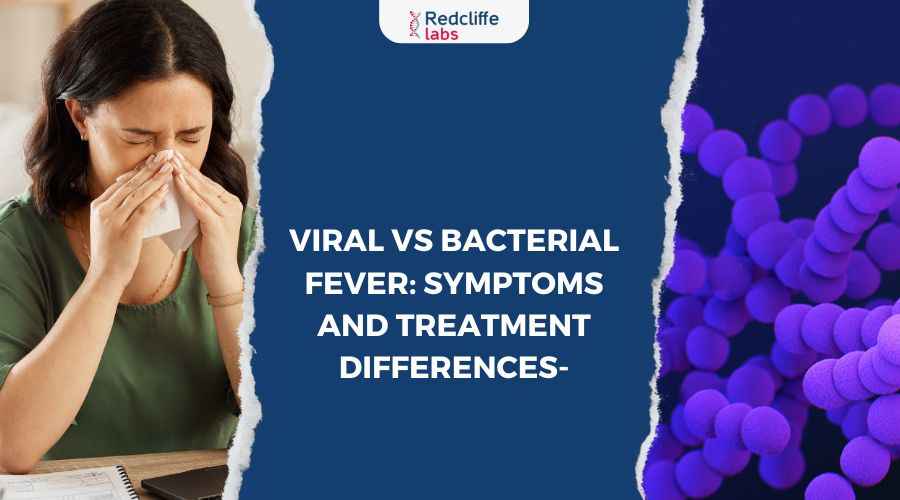
Bacterial and viral fevers are often confused because they can spread similar symptoms. However, it is important to identify the cause of fever, whether it is a viral or bacterial infection.
Most bacterial and viral infections are contagious, and different pathogens may cause various symptoms. Some fevers may require antibiotics and antiviral treatments, while others may be prevented with vaccinations.
This blog will explore the key differences between viral and bacterial infections, their symptoms, transmission methods, common causes, treatments, and ways to prevent them.
What are Bacterial Infections?
Bacteria are microorganisms that are made up of a single cell. Bacterial infections are caused by harmful bacteria that enter the body, multiply, and make you fall ill.
These single-celled organisms can survive in different environments inside and outside the human body. However, only some bacteria can cause infections in humans, and these bacteria are known as pathogenic bacteria.
Common bacterial infections are strep throat, urinary tract infections (UTIs), tuberculosis, and pneumonia. Bacterial infections can cause localized symptoms like swelling, pain, and pus formation. If left untreated, they can spread and may cause more serious complications.
What are Viral Infections?
Viral infections are caused by viruses, which enter a host cell to reproduce. Viruses are parasitic, which means they do not have the machinery to survive independently and must invade living cells to replicate. Viruses may cause the common cold, serious diseases like COVID-19, and HIV/AIDS.
Common symptoms of viral infections include fever, fatigue, body aches, and sore throat. Depending on the virus type and the person's health, viruses can cause mild and severe illnesses.
The Differences Between a Virus and a Bacterial Infection
| Aspect | Viral Infection | Bacterial Infection |
| Cause | Caused by viruses, which need a host cell to reproduce. | Bacterial infections are caused by bacteria, which are living organisms that can multiply independently. |
| Infection Site | It can affect the respiratory and digestive systems, the skin, or entire body. | Often causes localized infections, like strep throat, pneumonia, or UTIs. |
| Treatment | No antibiotics; treated with antiviral medications or supportive care (rest, hydration, etc.). | Treated with antibiotics that target and kill bacteria. |
| Symptoms | Often causes systemic symptoms like fever, fatigue, muscle aches, sore throat, and a runny nose. | It can cause localized symptoms such as swelling, pus, pain, and redness. |
| Transmission | Spread through airborne droplets, direct contact, or contaminated surfaces. | Spread via direct contact, contaminated food or water, or insect bites. |
| Prevention | Vaccines, hygiene practices like handwashing, and avoiding infected individuals. | Vaccines, good hygiene, and avoiding contaminated food or water. |
Symptoms of Viral and Bacterial Infection
Although the symptoms of viral and bacterial infections can overlap, some signs can help differentiate them.
Symptoms of Viral Infections
- Fever
- Fatigue or weakness
- Muscle aches
- Headache
- Runny or stuffy nose
- Sore throat
- Coughing
- Diarrhea or vomiting (depending on the virus)
- Rash (in some cases)
Symptoms of Bacterial Infections
- High fever (above 101°F)
- Pain or swelling in the body with throat, ear pain, or skin infection)
- Pus formation or discharge
- Redness and inflammation
- Difficulty breathing (in severe cases)
- Chest pain or tightness
- Unusual or foul-smelling urine (in UTIs)
How Are Bacterial and Viral Infections Transmitted?
Let’s understand how infections are transmitted and how to help reduce the risk of spreading them.
Transmission of Bacterial Infections:
- Direct contact: Through touching infected wounds or bodily fluids.
- Airborne droplets: When a person with a bacterial infection coughs or sneezes, the bacteria can spread to others.
- Contaminated food or water: Bacteria can be ingested if food or water is contaminated (e.g., food poisoning).
- Insects: Certain bacteria, like those causing Lyme disease, or insect bites.
Transmission of Viral Infections:
- Airborne droplets: Many viral infections, like the flu or COVID-19, spread through coughing or sneezing.
- Direct contact: Viruses can spread through close or direct contact with an infected person's blood or bodily fluids.
- Contaminated surfaces: Viruses can easily survive on surfaces and spread when you touch these surfaces and then touch your face.
- Insect bites: Zika or West Nile virus can be transmitted through mosquito bites.
Read more: Viral Fever: Symptoms, Causes & Prevention
Common Viral Infections
- Rhinoviruses
- Influenza (Flu)
- Chickenpox
- HIV/AIDS
Common Bacterial Infections
- Streptococcus bacteria
- Streptococcus pneumoniae
- Escherichia coli is responsible for urinary tract infection.
- Tuberculosis (TB)
- Cellulitis is a skin infection.
Common Causes of Bacterial and Viral Infections
Bacterial infections can be caused by exposure to harmful bacteria in the environment, food, or person-to-person contact. However, viral infections are caused by exposure to infected people or contaminated surfaces.
Common Causes of Bacterial Infections
- Poor hygiene
- Contaminated food and water
- Close contact with infected individuals
- Weakened immune systems (e.g., due to stress or pre-existing conditions)
Common Causes of Viral Infections
- Airborne transmission from coughs or sneezes
- Contact with infected surfaces or objects
- Sexual contact (in some cases)
- Mosquito bites
Also read: Viral Fever in Delhi: Causes, Symptoms, Prevention, and Treatment
Treatment for Bacterial Infections
If you are suspected of bacterial infections, your doctor may recommend antibiotics. However, antibiotics may depend on the type of bacteria causing the infection. However, taking the full course of antibiotics and other medications as your doctor prescribes is important.
Other treatments for bacterial infections may include:
- Pain relievers
- Hospitalization for severe infections
- Surgery
Treatment for Viral Infections
There is no cure for most viral infections, and treatment focuses on relieving symptoms. Some viral infections, like the flu or COVID-19, may have antiviral medications available to help reduce the severity or duration of symptoms.
Other treatments for viral infections include:
- Rest and hydration
- Over-the-counter medications for pain and fever
- Antiviral drugs for specific viruses (e.g., Tamiflu for the flu)
- Symptom management, such as cough suppressants or nasal decongestants
Also read: Blood Tests for Fever: Check the Complete List & Book No
How to Prevent Bacterial and Viral Infections?
Here are important tips to prevent both bacterial and viral infections-
- Wash your hands regularly: Use soap and water to wash your hands frequently.
- Get vaccinated: Vaccines can protect against viral infections (e.g., flu, COVID-19, measles, influenza, tetanus, whooping cough).
- Practice good hygiene: Avoid sharing personal items, such as drinking water from the same glass, eating from the same plate, and sharing toothbrushes and shaving kits. Always cover your mouth when sneezing.
- Avoid close contact with sick people: Stay home when you are not feeling well, to avoid spreading infections.
The Key Takeaways
Bacteria and viruses are common causes of fever and can be easily transmitted from one person to another. However, they can be treated by taking necessary preventive steps and the right treatment. Bacterial infections require antibiotics, while viral infections are often managed with supportive care. So, be proactive about your health, practice good hygiene, and seek medical help when necessary.
FAQs
1. Is my cold bacterial or viral?
The common cold is caused by a viral infection, caused by rhinoviruses. The virus resolves within a week or two.
2. How to differentiate bacterial and viral fever?
Bacterial fevers are localized and may involve specific symptoms like pus or swelling. Viral fevers cause fatigue, body aches, and a runny nose.
3. What is the difference in treatment between viral and bacterial infections?
Bacterial infections can be treated with antibiotics, while viral infections cannot be treated with antibiotics and are managed with rest and symptomatic treatment.
4. How do I know if my infection is viral or bacterial?
Consult your doctor to determine if you have a viral or bacterial infection. They may suggest a culture test and blood tests to identify the infection.
5. How to differentiate viral and bacterial fever with CBC?
A complete blood count (CBC) may show higher white blood cell counts in bacterial infections, whereas viral infections might show a normal or lower white blood cell count.