H1N1 Alert: Symptoms You Shouldn't Ignore as Cases Rise Across Major Indian Cities

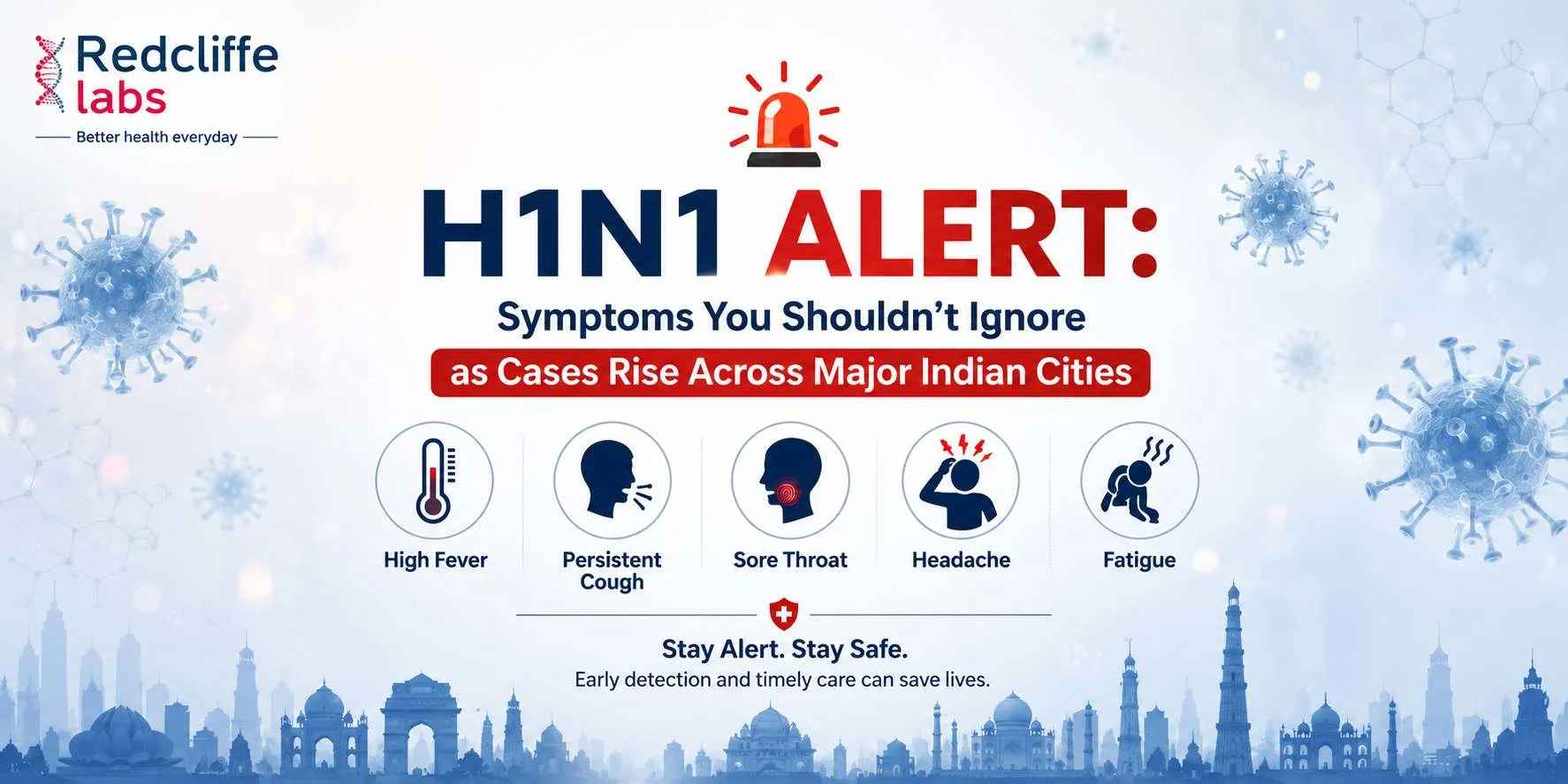
H1N1 cases in India are rising sharply this monsoon, and recognizing the symptoms early can make all the difference. The influenza strain most people still call swine flu is spreading fast across Delhi-NCR, Mumbai, Bengaluru and Chennai. Hospitals are reporting a steady stream of patients running high fevers. Delhi alone has recorded over 1,777 H1N1 cases in 2026, logging over 100+ new infections in a single day and running nearly eight times higher than the 229 cases recorded in the same period last year, according to the National Center for Disease Control.
Most people recover on their own, but doctors warn families not to brush off flu-like symptoms that persist or suddenly worsen, especially in children and older adults. This guide covers what H1N1 is, why cases are rising, the swine flu symptoms to watch for, who is most at risk, and when to seek medical help.
What Is H1N1?
H1N1 is a subtype of the Influenza A virus. It came to global attention during the 2009 pandemic, and since then it has settled into circulation as one of the ordinary seasonal flu strains that come around every year. Despite the "swine flu" nickname, you cannot catch it from eating pork; it spreads from person to person, mainly through respiratory droplets released when someone coughs, sneezes, or talks.
It primarily attacks the respiratory system the nose, throat, and lungs and produces a flu-like illness that ranges from mild to, in some cases, severe. The Indian Council of Medical Research (ICMR) has clarified that a new or mutated strain is not causing the current rise; it is the familiar seasonal H1N1 behaving as it usually does during India's flu seasons.
Why Are the Cases Rising?
India typically sees two flu peaks each year: one in the January-March window and another after the monsoon, roughly August to October. The current surge aligns with that recognized post-monsoon pattern. Several factors are being pointed to as likely contributors, though no single cause has been officially confirmed as the main driver:
- Humid, fluctuating monsoon weather that helps respiratory viruses spread
- More time spent indoors in close, poorly ventilated spaces
- Higher clinical suspicion and more testing at hospitals, which picks up more confirmed cases

Understand the One-by-One Spread of H1N1
One of the most striking things about this surge is how it moves through households one member after another. There's a biological reason for it: a person carrying H1N1 usually becomes infectious about a day before they feel any symptoms. So by the time the first person realizes they're unwell, they may already have passed it on.
People are generally most contagious during the first three days of illness and may remain infectious for five to seven days. Children and people with weakened immunity may be contagious longer.
Infection can occur after touching a contaminated object and then touching the mouth, nose, or eyes, but this is less common. Annual flu vaccination, cleaner indoor air, handwashing, covering coughs, keeping distance, and staying home while sick can reduce transmission.
How to Stop Transmission Within the Family
Breaking that chain is very doable if you act early and treat home hygiene the way many of us learned to during the COVID years. Those lessons are easy to forget, but they work:
- Isolate the sick person where you can. Give them a separate room, and their own towels, utensils, and bedding.
- Wash hands often and well before eating, after coughing or sneezing, and after touching shared surfaces.
- Cover coughs and sneezes with a tissue or your elbow, and throw tissues away straight after.
- Mask up when unwell, especially around children, older relatives and anyone with a chronic illness.
- Open the windows. Good ventilation lowers the concentration of virus particles indoors.
- Wipe down high-touch surfaces like door handles, taps and phones.
- Stay home when sick so the infection doesn't travel to school, work or the wider community.
What Are the Symptoms of H1N1?

H1N1 tends to come on fast. Not everyone gets every symptom, and fever isn't always present, but these are the ones to watch for.
Sudden Fever and Chills
The hallmark of H1N1 is an abrupt, high-grade fever often climbing toward 39°C (around 102–103°F), frequently accompanied by shaking chills. Many patients describe feeling fine in the morning and being knocked flat by evening. That sudden, sharp onset is one feature doctors use to tell the flu apart from a gradual, sniffly cold.
Cough, Sore Throat, and a Blocked or Runny Nose
A persistent dry cough is common, often alongside a sore or scratchy throat and a nose that's either running or stuffed up. These upper-respiratory symptoms can linger even as the fever settles.
Body Aches and Extreme Weakness
Deep, aching muscles and joints, sometimes severe enough that getting out of bed feels like a struggle, are a telltale sign. Add a pounding headache and a wave of exhaustion that outlasts the fever, and you have the classic flu profile. This marked fatigue is often what separates flu from a milder cold. Some people, particularly children, may also get nausea, vomiting, or diarrhea.
Difficulty Breathing or Chest Pain
This category needs urgent attention. Most H1N1 infections stay mild, but influenza can sometimes progress to pneumonia or respiratory failure. Seek medical help promptly if you notice:
- Breathlessness or shortness of breath
- Persistent chest pain or pressure
- Falling oxygen levels
- Bluish lips or fingertips
- Confusion or unusual drowsiness
- Severe dehydration
- Symptoms that improve and then suddenly worsen a pattern that can signal a secondary bacterial pneumonia setting in a few days into the illness.
Doctors in Delhi-NCR and Bengaluru have reported some patients across age groups developing serious complications this season, including dropping oxygen levels and, in a few cases, respiratory failure. Don't wait out these warning signs.
H1N1 Can Look Like a Common Cold
Early on, H1N1 and an ordinary cold can look almost identical: runny nose, sore throat, a bit of a cough. The differences that tip the balance toward flu are sudden onset, high fever, and severe body aches and fatigue. A cold tends to build up gradually and leaves you functional; flu tends to arrive fast and floor you. Because the two overlap, and because H1N1 shares ground with other respiratory infections doing the rounds, testing is the only way to be sure. If symptoms are persistent, severe or getting worse, see a doctor rather than self-diagnosing.
Should You Take the Flu Vaccine Now?
The annual flu shot remains one of the most practical steps you can take, and it does offer protection against circulating H1N1 strains. If you haven't been vaccinated this season and especially if you're in a higher-risk group or live with someone who is, it's worth discussing with your doctor. The vaccine takes a couple of weeks to build full protection, so earlier is better, but during an active season it can still be worthwhile. Your physician can advise on timing based on your age and health.
Should You Take the Flu Vaccine Now? For H1N1 and Flu
Yes. The seasonal influenza vaccine includes protection against an A(H1N1)pdm09-like virus, along with other circulating flu strains. A separate "swine flu" vaccine is not required.
If you have not received the season's flu vaccine, speak with your doctor about getting vaccinated while influenza is circulating. Protection develops two weeks after vaccination, so it's best to get it before exposure.
Who should prioritize it?
Vaccination is especially important for pregnant women, children aged six months to five years, adults over 65, healthcare workers, and people with asthma, diabetes, heart disease, weakened immunity, or chronic conditions.
However, no vaccine prevents every infection. Flu vaccination can lower the chance of illness and reduce the risk of complications, hospitalization, and death. Use an age-appropriate vaccine formulated for the current influenza season in India. Your doctor can recommend the option based on age, pregnancy, medical history, and availability.
Who Is Most Vulnerable?
While anyone can catch H1N1 and this strain is known to hit younger adults and children harder than typical seasonal flu, the risk of serious complications is highest for:
- Children under 5, and especially the very young
- Adults over 65
- Pregnant women
- People with chronic conditions such as asthma and other lung disease, heart disease, diabetes, and kidney or liver disorders
- Anyone with a weakened immune system
If you or someone in your household falls into these groups, treat flu-like symptoms with extra caution and get medical advice sooner rather than later.
Why Early Testing and Prevention Matter
Timing changes outcomes with influenza. Antiviral medicines work best when started early in the illness, so an early diagnosis, usually confirmed with an RT-PCR test, gives doctors the best chance to treat effectively and head off complications, particularly in vulnerable patients.
Two cautions worth repeating. First, don't reach for antibiotics on your own. Antibiotics do nothing against influenza, which is a virus; they're only relevant if a doctor identifies a secondary bacterial infection. Second, don't dismiss H1N1 as "just a fever." For most healthy people, it will be a rough week and nothing more, but for the wrong person at the wrong time, it can turn serious.
Catch it early, rest and hydrate, keep the home-hygiene habits we all learned during COVID, protect the vulnerable around you, and get medical help the moment warning signs appear.