Chills with Fever: What It Means, When to Worry, and What to Do

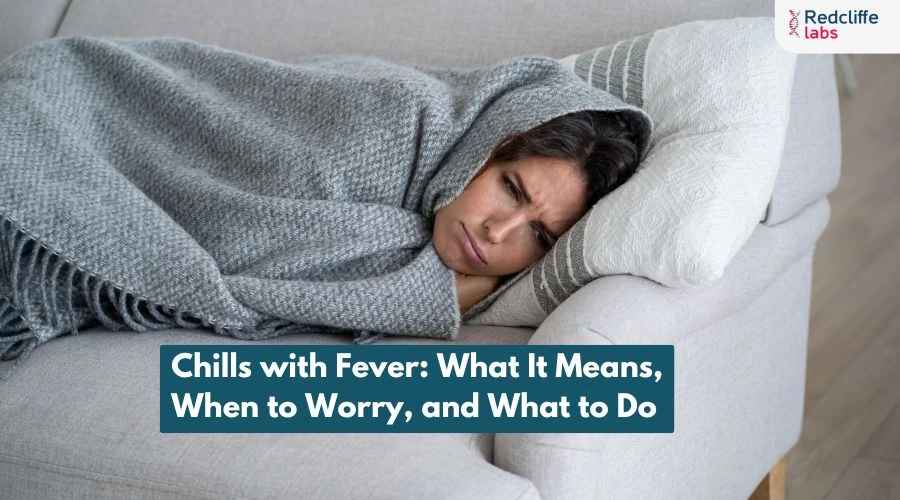
You've been feeling off all day, and then suddenly your teeth are chattering, your hands and feet are cold, your body is shivering, and, even though you're under three blankets, you still feel cold. A few minutes later, you discover you feel like a furnace at 102°F. Sound familiar? That's how scary the combination of chills and fever can feel, yet it is also one of the most common indications that your immune system is working hard.
Many people ask themselves: Why do I shiver when I have a fever? Are chills dangerous? Do I need a doctor, or can I manage them at home? These are very natural questions. Understanding what is happening in your body makes it much less frightening, whether it's flu season, a cold, a urinary tract infection, or something your child might be getting down with.
In this blog, we'll break down exactly what chills with fever mean, the most common causes, how to tell normal from dangerous, and what steps you can take to feel better faster.
What Are Chills With Fever?
Chills are short spells of shivering and feeling cold that usually accompany a rise in body temperature. They are not diseases themselves; rather, they are symptoms indicating that the body is communicating that something is wrong. Once your brain becomes aware of a danger, e.g., a bacterial or viral infection, it increases your body's internal set-point temperature to create a less hospitable environment for pathogens.
When the body works to raise its temperature, the muscles contract and relax rapidly; this rapid movement causes you to shiver and feel chilly. It's like the body's natural heater turning on. After your entire body catches up to this new warmth, the shivers usually subside, and you mainly feel the fever.
Key Point: Chills are not an illness in themselves. They often occur before or at the onset of a fever. They are a sign that your temperature is rising, not falling.
Common Causes of Chills with Fever
A variety of conditions can trigger chills accompanied by fever. The underlying cause often determines how severe the symptoms become.
| Infections | Most Common Cause |
| Influenza (flu) | Sudden onset, high fever, body aches, and intense chills |
| Common Cold | Mild fever, runny nose, sore throat with chills |
| COVID- 19 | chills, fever, fatigue, and respiratory symptoms |
| Urinary Tract Infections (UTI) | especially if fever is present, suggesting kidney involvement |
| Pneumonia | cough, chest pain, high fever, and rigors (severe shaking chills) |
| Malaria | Cyclical fever and intense chills, especially after travel to endemic areas |
| Strep Throat | Sore throat, fever, and mild chills in adults and children |
Other Possible Causes
- Food Poisoning or gastroenteritis
- Sinusitis or ear infections
- Medication reactions or drug side effects
- Heat exhaustion
- Autoimmune conditions during flare-ups
Also read:
Normal vs, Abnormal: Understanding Fever Changes
Not all fevers are the same. The severity of the fever affects how quickly you need to respond. Here is a practical reference guide to understanding fever severity.
| Temperature (°F / °C) | Category | What It Means |
| 98.6°F / 37°C | Normal | Healthy baseline (slight variations are normal) |
| 99-100.4°F / 37.2–38°C | Low-grade fever | Mild; immune response; monitor at home |
| 100.4–103°F / 38–39.4°C | Moderate fever | Common with flu/infections; treat symptoms |
| 103–104°F / 39.4–40°C | High fever | Consult a doctor, especially in children |
| Above 104°F / 40°C | Dangerous fever | Seek emergency care immediately |
Symptoms That Accompany Chills and Fever
Chills and fever rarely appear alone. The symptoms that accompany chills and fever provide clues about the underlying cause:
- Headache and body aches
- Sweating
- Fatigue and Weakness
- Nausea, vomiting, or diarrhea
- Cough, sore throat, or runny nose
- Painful urination or back pain
- Stiff neck or sensitivity to light
- Rash on the skin
Are Chills With Fever Always Dangerous?
Most episodes of chills with fever resolve on their own within a few days with rest and adequate hydration. See a doctor within 24 hours if:
- Fever above 104°F (40°C) that does not respond to medication
- Recurring episodes of chills with fever
- Severe difficulty breathing or chest pain
- Stiffness in the neck, confusion, or extreme sensitivity to light
- Skin rash
- Seizures or loss of consciousness
- Chills with fever after recent travel to tropical regions
- Signs of dehydration (no urination for 8+ hours, sunken eyes, extreme dizziness)
How Are Chills With Fever Diagnosed?
Doctors typically begin by reviewing symptoms and medical history. Depending on the suspected cause, the diagnosis of chills with fever may include:
- Complete blood count (CBC)
- Blood culture
- Dengue testing
- Malaria testing
- Urinalysis
- Chest X-ray
- COVID-19 or flu testing
What to Do At Home
Chills and fever usually appear together. If the temperature stays in a manageable range (i.e., a fever below 103°F in adults), there are several things you can do to soothe your symptoms and support recovery.
Rest is not optional. It is one of the most important parts of the recovery process.
Immediate Steps
- Stay Hydrated: Drink water, clear broths, or oral rehydration solutions to replace fluids lost through sweating.
- Rest: Let your immune system focus its energy on fighting the infection.
- Use fever-reducing medications if needed: Paracetamol (acetaminophen) or ibuprofen can help minimize discomfort; however, always follow the prescribed dosage.
- Dress in light layers: Do not bundle up in too much clothing. This can trap heat and raise your body temperature.
- Apply a cool, damp cloth: Placing towels soaked in cool water on the forehead or wrists can help the patient cool down. Don’t use ice or ice-cold water, though, because that causes shivering.
- Monitor temperature regularly: Check temperature every few hours and note whether it is rising or falling.
Tip: Medications are not always required for low-to moderate-grade fevers. A fever below 102°F without severe discomfort may be left to run its natural course, as it plays an active role in fighting infection.
What to Avoid
- Do not give aspirin to children under the age of 18 years; they may develop Reye's syndrome.
- Skip alcohol and caffeinated drinks to avoid dehydration.
- Do not return to work or school until fever-free for at least 24 hours without medication.
- Do not engage in any physical activity while feverish.
Also read:
Chills With Fever In Children
Fever with chills is more common in children than in adults because their immune systems are still developing. Nevertheless, a baby under 3 months old with a fever needs to be evaluated by a doctor immediately. For older children, encourage adequate fluid intake and use age-appropriate fever-reducing medications. Febrile seizures may develop in some children between 6 months and 5 years of age as a result of the sudden spike in body temperature.
Prevention: Reducing the Risk
Although not all cases can be prevented, several practices can reduce the risk of infections that can cause fever and chills.
- Wash hands frequently
- Stay updated on recommended vaccinations
- Drink safe, clean water
- Maintain a healthy diet
- Get sufficient sleep
- Avoid close contact with sick individuals
- Use mosquito protection in dengue- and malaria-prone areas
These habits support immune health and lower the risk of infection.
When Should You See A Doctor?
Consult a healthcare professional if:
- Fever lasts longer than three days
- Shivering gets worse with time.
- Symptoms repeatedly return
- Difficulty breathing
- You suspect dengue, malaria, or another serious infection
- A child, an older adult, or an immunocompromised person develops these symptoms
Early evaluation can help identify complications before they become serious.
Conclusion
Chills with fever can be uncomfortable for us, but they are the body's natural way to defend itself against infection. Viruses, bacteria, dengue fever, malaria, and inflammation are leading causes of such a response in the body. In addition to a medical consultation, monitoring the duration and severity of fever can help determine whether medical attention is needed.
Remember these key points:
- Chills usually happen when the body increases its temperature to combat infections.
- Most cases improve with rest, hydration, and proper care.
- If the symptoms persist, recur, or are severe, consult a doctor.
Regular health monitoring and timely diagnostic testing are crucial to understanding the cause of your fever and chills. Diagnostic testing with home sample collection provided by Redcliffe Labs is key to understanding the problem and making informed choices about your health when symptoms require further investigation.
Why Choose Redcliffe Labs?
4xValue: Delivering complete care for better health, from accurate diagnostics to actionable health guidance.
- Smart Reports: Receive color-coded insights that make test reports easier to understand.
- Expert Consultation: Free expert consultation available with every test to help you interpret your results.
- AI Assistance: Round-the-clock AI-powered support to address your health-related queries.
- Personalized Diet Plan: Tailored dietary recommendations designed to support your overall well-being.
FAQs
-
Why do I get chills before a fever?
Chills are usually caused by a change in the temperature set point, which occurs during an infection. To reach the higher temperature point, the body begins to tremble due to muscle contractions, causing you to feel chills before the fever is reached. It is part of the body's defense against the disease.
-
Can you have chills without a fever?
Yes. Chills are occasionally experienced by individuals who do not necessarily have a fever. The causes might be anxiety, exposure to cold temperatures, hypoglycemia, certain medications or other diseases that affect the temperature regulation. If you regularly experience chills but no fever is detected, it is important to consult your physician. Your doctor may recommend tests to determine the underlying cause.
-
How long do chills with fever usually last?
The duration depends on the underlying cause. Viral infections typically cause chills and fever for two to four days, while bacterial infections may last longer without treatment. If your fever continues for more than three days, becomes very high, or is accompanied by worsening symptoms, seek medical advice promptly for appropriate care.
-
Is chills with fever a symptom of dengue?
Yes, chills along with a high fever can be a symptom of dengue fever. Other symptoms may include headache, joint pain, muscle pain, eye pain, stomach pain, nausea, and rashes. Dengue can be dangerous in some cases; thus, prompt medical consultation is advisable, particularly during mosquito season. Avoid self-medicating with aspirin or ibuprofen unless advised by a healthcare professional.
-
Should I go to the hospital for chills and fever?
Most cases of chills and fever can get better with rest and proper hydration. But if chills and fever occur with breathing difficulties, chest pain, confusion, seizures, persistent vomiting, severe dehydration, or fever lasting more than three days, hospitalization may be required. Keeping track of your temperature and symptoms can help doctors assess your condition more effectively.