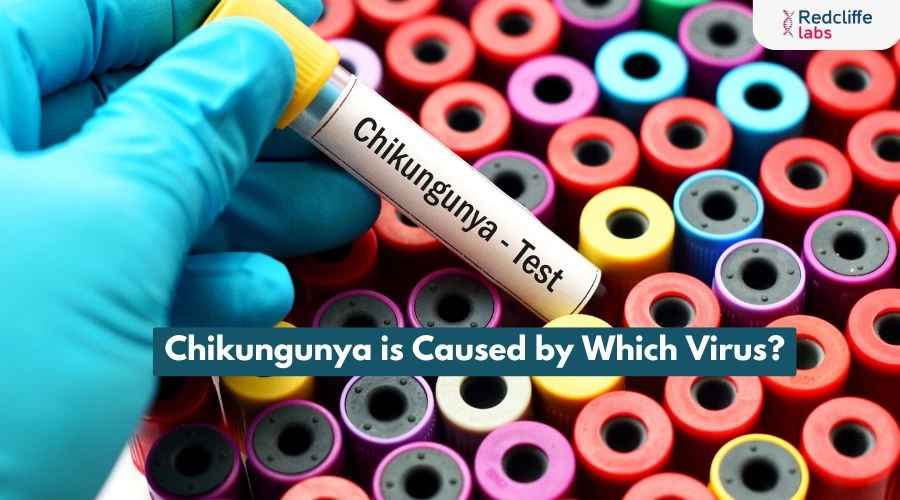
Chikungunya is Caused by Which Virus?

Most of us barely notice a mosquito bite. It's just a small itch that goes away quickly. But sometimes, that tiny bite can lead to something much more serious. People with Chikungunya often face high fever and severe joint pain that makes even simple movements painful.
Chikungunya affects millions of people worldwide, yet many still don't fully understand it. People may know the name but aren't sure what causes it, how it spreads, or how to stay safe. Learning more about this disease helps you protect yourself and your loved ones.
This blog will clearly explain what you need to know about Chikungunya. We'll cover the virus behind the disease, how it spreads, the main symptoms, and ways to protect yourself. Whether you want to keep your family safe, learn more during mosquito season, or just understand the risks, you'll find helpful information here to stay healthy and informed.
Also Read: How to Differentiate Between Dengue, Malaria, and Chikungunya?
What Is Chikungunya?
Chikungunya is a viral infection spread by mosquito bites. It usually starts with a sudden high fever and joint pain that can make daily activities hard. Other common symptoms include muscle aches, headaches, tiredness, and skin rashes. The disease is most common in tropical and subtropical areas, especially during and after the rainy season. While it's rarely life-threatening, the symptoms can seriously affect your daily life.
Most people recover from Chikungunya in a few weeks, but for some, recovery takes longer. The joint pain and stiffness can last for months, making it hard to walk, climb stairs, work, or do simple chores. This ongoing discomfort can affect your movement, work, and quality of life. That's why early diagnosis, good care, and mosquito bite prevention are so important.
Which Virus Is Responsible for Chikungunya Infection?
The Chikungunya virus (CHIKV) causes Chikungunya. It is a type of RNA virus in the Alphavirus group. Scientists first discovered this virus during an outbreak in Tanzania in 1952. The word "Chikungunya" comes from the Makonde language and means "to become bent over" or "the stooped one." People gave it this name because the disease often causes severe joint pain that can make patients walk or stand in a bent posture. Today, the virus spreads through infected mosquitoes and affects millions of people in tropical and subtropical regions worldwide.
What are the important symptoms of chikungunya?
Here are the symptoms associated with chikungunya:
- High Fever: A sudden high fever is often one of the first signs of Chikungunya. Body temperature may rise above 39°C and can last for several days.
- Severe Joint Pain: Many people experience intense pain in the wrists, fingers, knees, ankles, and elbows. The pain can make daily activities difficult.
- Muscle Pain: Chikungunya often causes widespread muscle aches and body pain. Many patients describe it as feeling similar to severe flu-related body aches.
- Headache: Moderate to severe headaches are common during the early stage of infection and may occur alongside fever and body pain.
- Skin Rash: A red, itchy rash may appear a few days after the fever begins. It commonly affects the arms, legs, chest, and back.
- Fatigue: Extreme tiredness and weakness can persist even after the fever resolves, making it difficult to return to normal activities.
- Nausea: Some people may experience nausea, loss of appetite, or mild stomach discomfort during the infection, although these symptoms are usually temporary.
How Is Chikungunya Different from Dengue?
| Feature | Chikungunya | Dengue |
| Cause | Chikungunya Virus | Dengue Virus |
| Main Symptom | Severe Joint Pain | Severe Body Pain |
| Bleeding Risk | Rare | Higher |
| Joint Pain Duration | Weeks to Months | Usually Short-Term |
| Fatality Risk | Low | Higher in Severe Cases |
How Long Does Recovery Take?
Recovery from Chikungunya varies from person to person. The acute phase of the illness usually lasts for one to two weeks, during which symptoms such as fever, joint pain, headache, and fatigue are most intense. After this stage, most people gradually start feeling better and recover within a few weeks. However, recovery is not always quick for everyone. Some individuals continue to experience joint pain, stiffness, and discomfort long after the infection has cleared. In certain cases, these symptoms can last for several months, affecting daily activities and overall quality of life before fully improving.
Also Read: Chikungunya in Hindi: कारण, लक्षण और उपचार – चिकित्सा जानकारी
How to Prevent Chikungunya?
Here are the following ways through which you can prevent yourself from getting chikungunya:
- Mosquitoes that spread Chikungunya breed in clean, stagnant water. Regularly empty and clean water containers, coolers, buckets, flower pots, birdbaths, and old tires. Preventing water accumulation around your home can significantly reduce mosquito breeding and lower the risk of infection.
- Apply mosquito repellents to exposed skin whenever you spend time outdoors, especially during the early morning and late afternoon, when mosquitoes are most active. Follow the product instructions carefully and reapply as recommended for continued protection.
- Wearing long-sleeved shirts, full-length pants, socks, and covered footwear helps reduce exposed skin and lowers the chances of mosquito bites. Light-colored, loose-fitting clothing can provide added comfort while offering protection against disease-carrying mosquitoes.
- Window and door screens act as a physical barrier that prevents mosquitoes from entering your home. Repair any holes or gaps in screens and keep doors closed whenever possible to create a safer indoor environment for your family.
- Preventing Chikungunya requires community-wide efforts. Local authorities can reduce mosquito populations through regular cleaning drives, proper waste management, public awareness campaigns, and mosquito control programs. Community participation plays a key role in preventing outbreaks and protecting public health.
Final Thoughts
Chikungunya is caused by the Chikungunya virus (CHIKV), a mosquito-borne virus that continues to affect millions of people worldwide. While the infection is rarely life-threatening, it can cause severe joint pain, fatigue, and prolonged discomfort that may affect daily life for weeks or even months.
The good news is that Chikungunya is largely preventable. Understanding how the virus spreads, recognizing symptoms early, and taking proactive mosquito-control measures can significantly reduce your risk of infection. If you develop symptoms such as fever, joint pain, or a rash, timely testing and medical guidance can help ensure proper management and rule out other mosquito-borne illnesses, such as dengue.
At Redcliffe Labs, you can conveniently book your Chikungunya test from the comfort of your home and get access to reliable diagnostic services. To support your recovery journey, Redcliffe Labs also offers a free doctor consultation and a free diet consultation with eligible test bookings. Visit the Redcliffe Labs website or app today to book your test and take a proactive step toward protecting your health. Awareness, early detection, and timely action remain your strongest defense against Chikungunya.
FAQs
1. What virus causes chikungunya disease?
Chikungunya disease is caused by the Chikungunya virus (CHIKV), a mosquito-borne virus that primarily spreads through the bite of infected Aedes mosquitoes. The virus infects humans and triggers symptoms such as sudden fever, severe joint pain, muscle aches, headache, fatigue, and skin rash. While most people recover within a few weeks, some may continue to experience joint pain and stiffness for months after the initial infection.
2. Is chikungunya caused by a bacterium or a virus?
A virus, not bacteria, causes chikungunya. Specifically, it is caused by the Chikungunya virus (CHIKV), which is transmitted by mosquitoes. Since it is a viral infection, antibiotics are not effective against it. Treatment mainly focuses on relieving symptoms such as fever, pain, and inflammation while allowing the body's immune system to fight off the infection naturally and support recovery.
3. Which family does the chikungunya virus belong to?
The Chikungunya virus belongs to the Togaviridae family and is classified in the genus Alphavirus. It is a single-stranded RNA virus known for causing outbreaks in tropical and subtropical regions worldwide. Scientists study this virus closely because of its ability to spread rapidly through mosquito populations and cause widespread illness characterized by fever and prolonged joint pain among infected individuals.
4. How is the chikungunya virus transmitted to humans?
The Chikungunya virus is transmitted to humans through the bite of an infected mosquito. When a mosquito feeds on the blood of an infected person, it can acquire the virus and later pass it to another person through subsequent bites. The virus is not spread through food, water, or casual contact. Mosquito control and bite prevention remain the most effective ways to reduce transmission.
5. Which mosquito spreads the chikungunya virus?
Aedes aegypti and Aedes albopictus mosquitoes mainly spread the Chikungunya virus. These mosquitoes are also responsible for transmitting dengue and Zika viruses. Unlike many mosquito species that bite at night, Aedes mosquitoes are most active during the daytime, particularly during early morning and late afternoon. They often breed in stagnant water found in containers, coolers, buckets, and flower pots around homes.
6. Is the chikungunya virus contagious from person to person?
No, Chikungunya is generally not contagious through direct person-to-person contact. It does not spread through touching, hugging, coughing, sneezing, or sharing food and drinks. The infection usually spreads only when an infected mosquito bites a person. Therefore, preventing mosquito bites and controlling mosquito breeding sites are essential steps in reducing the spread of Chikungunya within communities and households.
7. What are the early symptoms of chikungunya virus infection?
Early symptoms of Chikungunya usually appear within 2 to 7 days after a mosquito bite from an infected mosquito. Common signs include sudden high fever, severe joint pain, muscle aches, headache, fatigue, and skin rash. The joint pain often affects the wrists, ankles, knees, fingers, and elbows. Because these symptoms can resemble dengue and other viral illnesses, medical evaluation and diagnostic testing may be required for confirmation.
8. How long does the chikungunya virus remain in the body?
The Chikungunya virus typically remains active in the body for a relatively short period, usually during the first few days of illness. Most people recover from the infection within one to two weeks. However, the body's inflammatory response may continue even after the virus has been cleared, causing persistent joint pain, stiffness, and fatigue that can last for several weeks or even months in some individuals.