Blood Tests for Fever: Check the Complete List & Book Now

Medically Reviewed By
Dr Sohini Sengupta
Written By Meenakshi
on Apr 24, 2024
Last Edit Made By Meenakshi
on Jul 19, 2025
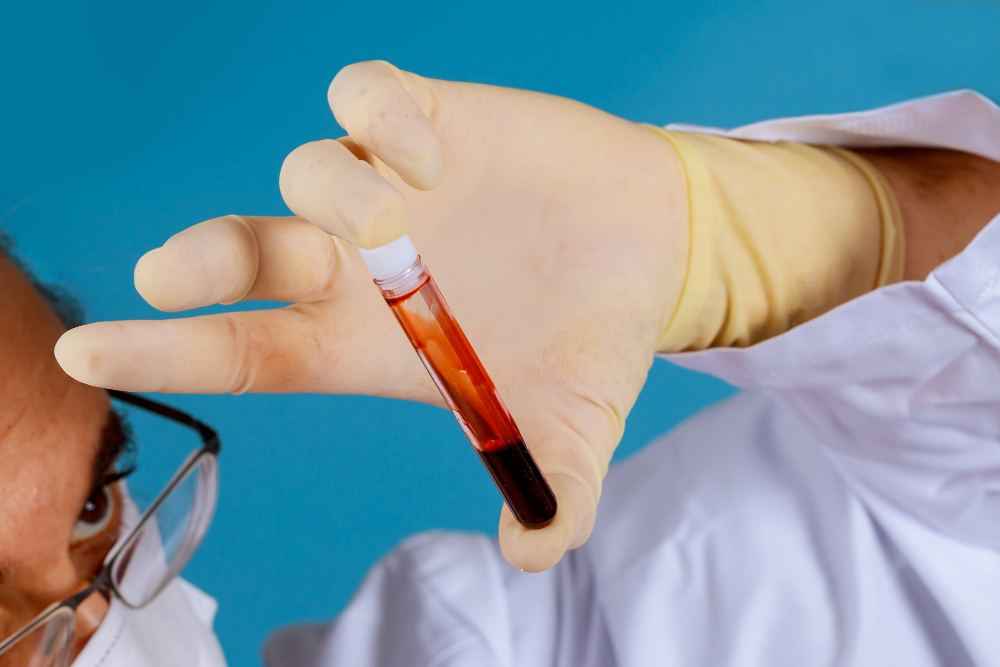
As the season shifts, it brings with it a host of health issues.
Fever or sickness due to a change in weather may sound vague, but it is true. Some studies have states that changes in weather can predispose people to getting sick.
Fever, the term is very common and almost every one of us has had it at some point in our life. Fever, below 104 F is usually associated with common viral infections, but above that could be an indicator of something serious, which needs your attention.
Therefore, doctor often suggest different blood tests for fever to confirm the cause behind the symptoms, ensure accurate diagnosis and allow early intervention.
But what causes fever?
Why do I need a fever test?
What kind of blood test for fever would be ideal for me to take?
Hold on!
The answers to all your questions are here in the blog.
So, let’s start with the basics.
What are the common causes of fever?
- Dengue: Also called the break-bone fever is a mosquito-borne viral infection, the disease spreads through the bite of an infected Aedes species mosquito.
- Malaria: It is another mosquito-borne illness that causes high fever, shakes and chills and spreads through the bite of an infected Anopheles mosquito.
- Typhoid: Lastly, the common cause of fever is Typhoid that spreads via contaminated food and water.
Determining the cause before things turn ugly is essential so the appropriate measures can be initiated while there is still time.
When do doctors suggest a Blood Test for Fever?
While fever is common and will be fine on its own, sometimes, it can be an indicator of something serious. Your healthcare provider may recommend a fever blood test when they suspect you are exhibiting the symptoms, such as:
- A persistent fever that is not breaking down is the major sign indicating the need for a Fever Test.
- Rashes on the skin should also be diagnosed early to determine the cause.
- Chills accompanied by fever or other symptoms may be a sign indicating that the fever may be due to something serious.
- Vomiting and diarrhea are other signs that could indicate something serious.
- The sudden loss of appetite that may be causing weakness and dizziness is also a sign that you should get yourself tested.
- The intense pain in the head may sound common, but if it happens too often, it could be an indicator of something serious.
- The yellowing of skin and eyes or jaundice is an early sign that there could be something serious behind your fever.
- Fever that is causing body and muscle aches may also need a timely diagnosis.
If your fever is accompanied by any of the above symptoms, it may need a proper evaluation for an accurate diagnosis.
But what type of blood tests that may help?
Common Blood Tests For Fever:
Complete Blood Count Test (CBC):
Purpose: The test aims to help analyze various blood components, including Red Blood Cells (RBCs), White Blood Cells (WBCs), and Platelets. Any changes in blood cells or platelets could signify several underlying health conditions.
The test checks for inflammation in the body, which usually indicates an infection, injury, or certain chronic disease. Early testing is essential for early diagnosis and timely intervention.
Erythrocyte Sedimentation Rate (ESR) Test:
Another common blood test that doctors often suggest for a fever is an ESR Test that checks the rate at which red blood cells (RBCs) settle in a blood tube. While elevated ESR suggests inflammation, it is non-specific and requires further evaluation alongside other tests to determine the underlying cause.
The test detects specific microorganisms causing the infection, aiding in targeted treatment.
It assesses how well your liver functions and helps detect abnormalities, if any, to confirm liver infection and inflammatory conditions. It measures different substances made by the liver to detect and monitor liver disease or damage.
The kidney filter wastes and the test help to analyze kidney problems for accurate diagnosis and effective management of the condition.
If you have symptoms indicating Malaria, the doctor may suggest a Malaria Blood Test that looks for specific antigens or antibodies in the blood for accurate diagnosis and suggests appropriate measures.
Individuals exhibiting symptoms associated with dengue may also be asked to go for a Dengue Test. Dengue, if left untreated, can have serious health consequences.
Each test has its’ own significance and is suggested for specific reasons. Therefore, no matter the type of blood test suggested, getting tested on time should be your topmost priority. The earlier the disease is diagnosed, the better and faster recovery it will ensure.
So, delay no more and book your Fever Test with us today.
Advantages of taking a blood test for fever
Here are a few advantages of taking a blood test for fever-
- Finds the Cause: A blood test helps to determine the cause of a fever, whether it's an infection, virus, bacteria, or another health issue.
- Detects Infections Early: It can detect infections in the body early, even before symptoms get worse.
- Guides Proper Treatment: Blood tests show what kind of infection you have. This information helps doctors determine and give the right medicine, such as antibiotics or antivirals.
- Checks for Serious Illnesses: Some fevers are signs of serious diseases, such as dengue, typhoid, or malaria. Blood tests for fever can quickly spot these diseases.
- Avoids Wrong Treatment: The wrong medicine might be given without a blood test. A test ensures correct diagnosis and treatment.
- Monitor Health Condition: It shows if the infection is spreading or improving, helping track recovery.
- Saves Time and Money: Early and correct diagnosis avoids repeated doctor visits and unnecessary medicines.
- Checks for Other Problems: Sometimes, fever is caused by non-infectious conditions like low immunity or blood disorders. Blood tests can also detect these.
In short, a blood test is a safe and useful way to understand the real cause of a fever and treat it appropriately.
When should you take a blood test after a fever?
You should take a blood test after a fever if:
- The fever lasts 2-3 days and doesn’t improve with rest or medicine.
- The fever is very high (above 102°F or 39°C) or keeps coming back.
- You have other symptoms like rash, body pain, weakness, yellow eyes, or vomiting.
- You live in or have traveled to an area where diseases like dengue, malaria, or typhoid are common.
- Your doctor recommends it to find the cause of the fever.
If the fever is not going away or is unusual, a blood test can help determine what’s wrong and guide proper treatment.
Redcliffe Labs - Your Reliable Partner For Diagnostic Tests At Home
Being a Healthy India Ki Trusted Lab, Redcliffe Labs is the destination for you to book a Blood Test for Fever at home. With years of experience, expertise, and excellence, we bring diagnostics to your doorstep, ensuring you get tested comfortably.
Now that you know that early testing can minimize your risks of developing complications.
Remember, a delay in diagnosis can have dreadful complications for your health. Therefore, you should get tested as soon as possible before it’s too late.
FAQ’s
1. What types of fever are most common during the monsoons?
During the monsoon season, common fevers include dengue, malaria, chikungunya, typhoid, and viral fever. These are mostly spread through mosquitoes or contaminated water and food.
2. What is a fever profile test?
A fever profile test is a group of blood tests used to identify the cause of a fever. It checks for infections like malaria, dengue, typhoid, and others.
3. Why is a fever panel test done?
A fever panel test is done to find the cause of the fever. It checks for infections like dengue, malaria, typhoid, and others.
4. Why should one get a blood test performed if they have a fever?
A blood test helps identify the exact cause of a fever, such as a bacterial or viral infection, and checks for serious conditions like dengue or typhoid.
5. Why do I need a dengue fever test?
A dengue fever test helps confirm if the dengue virus causes your fever. It detects the virus or antibodies in your blood and allows early diagnosis.
6. Which blood test should be done for a fever?
Depending on the symptoms, common blood tests for fever include CBC, ESR, CRP, blood culture, and specific tests for malaria, dengue, typhoid, and more.
7. Is a CBC blood test for a fever?
Yes, the CBC test is commonly done for fever. It measures white blood cells, red blood cells, and platelets to check for signs of infection, inflammation, or other health issues.
8. What labs are done for an unexplained fever?
Doctors recommend the CBC, ESR, CRP, blood cultures, liver and kidney function tests, malaria and dengue tests, typhoid test (Widal), urine test, and more based on symptoms to find the cause of a fever with no clear reason.
9. What blood test is done for cough and fever?
Common blood tests include CBC to check for infection, CRP and ESR for inflammation, and blood cultures if a serious infection is suspected. Depending on symptoms, tests for dengue, malaria, typhoid, or COVID-19 may also be recommended.
Leave a comment
1 Comments
Deng machar
Mar 2, 2025 at 6:48 AM.
I need your help If there's anything you can do to help me out of this situation
Myhealth
Dec 10, 2025 at 1:33 PM.
A Fever Profile at Redcliffe Labs usually includes tests that help identify the cause of fever, such as CBC, ESR, CRP, Dengue test, Malaria test, Typhoid (Widal or Typhi-dot), LFT, KFT, and urine routine. These tests help detect infections, inflammation, and common fever - related illnesses.
Dasari Kavya
Dec 10, 2025 at 2:05 AM.
In fever profile what are all the tests will come
Myhealth Team
Mar 7, 2025 at 4:20 AM.
Hi, Please let us know your query.