Cashew Nutrition: All You Need to Know

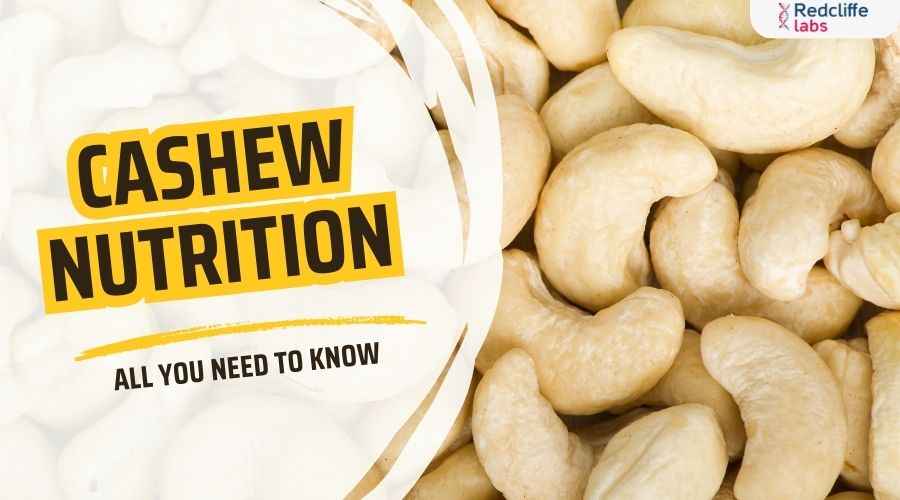
Cashews are among the most popular nuts. They are known for their creamy texture, versatile culinary uses, impressive nutritional content, and many health benefits. They are also referred to as a "superfood."
Cashews are a type of seed that contains a soft consistency and a sweet flavor. They are a good source of protein and minerals as part of a balanced diet.
Cashews are native to South America and also grown in India. They are a good source of nutrients like copper, magnesium, and phosphorus and can make a healthy snack.
Cashews are also used in many dairy alternatives, such as cashew milk, cashew-based cheese, and cashew cream.
This article will discuss cashews' nutritional value and benefits, share tips on adding them to a diet, and discuss possible health risks.
Protein in Cashews
Protein is a crucial macronutrient that supports muscle growth, tissue repair, and overall health. Cashews provide moderate protein, making them a perfect addition to a balanced diet.
- Protein Content: One ounce (28 grams) of cashews contains about 5 grams of protein.
- Plant-Based Protein: Cashews are an excellent option for vegetarians and vegans seeking protein sources.
- Combining Foods: Pairing cashews with other protein-rich foods, such as legumes or whole grains, can help create a complete protein profile.
Cashew Nutrition
Cashews contain essential nutrients, particularly copper. They are also a protein, magnesium, iron, and zinc source. Here is the nutritional value of 1 ounce (28 grams) of raw cashews:
| Nutrient | Amount | % Daily Value (DV) |
| Calories | 166 | 8% |
| Protein | 5 grams | 10% |
| Total Fat | 12 grams | 18% |
| Saturated Fat | 2 grams | 10% |
| Carbohydrates | 9 grams | 3% |
| Fiber | 1 gram | 4% |
| Vitamin K | 9.7 mcg | 8% |
| Magnesium | 83 mg | 20% |
| Phosphorus | 168 mg | 24% |
| Iron | 1.9 mg | 10% |
| Zinc | 1.6 mg | 15% |
Read more: Calories in Cashew (Kaju), Nutrition Profile, Benefits, and More!
5 Important Health Benefits of Cashews
Cashew nuts can be eaten as part of a nutritious and balanced diet, which may have several health benefits.
1. Weight Loss
Are you looking for a weight-loss snack? Cashews are one option. Although calorie-dense, they can aid in weight management when consumed in moderation.
- High Satiety: The protein and healthy fats in cashews promote a feeling of fullness, reducing overeating.
- Healthy Snacking: Replacing processed snacks with cashews can support weight loss efforts.
- Portion Control- Take the recommended serving size of 1 ounce to prevent excess calorie intake.
2. Good for Heart-Health
Cashews are heart-friendly and can reduce the risk of cardiovascular diseases.
- Healthy Fats- Contains a good amount of monounsaturated and polyunsaturated fats; cashews help lower LDL (bad) cholesterol levels.
- Magnesium and Potassium: These minerals support heart health by regulating blood pressure.
- Antioxidants: Cashews contain compounds like tocopherols and polyphenols that protect the heart.
3. Type 2 Diabetes Management
Cashews have a low glycemic index and can benefit people with diabetes.
- Blood Sugar Control: The fiber content in cashews helps stabilize blood sugar levels.
- Healthy Fats: These fats improve insulin sensitivity, supporting diabetes management.
- Magnesium: Cashews’ high magnesium levels are linked to better blood sugar regulation.
4. Joint Health
Cashews are a great source of several nutrients that can benefit joint health. They contain monounsaturated and polyunsaturated fats, which help reduce inflammation. They are also a good source of magnesium, which helps absorb calcium, essential for maintaining strong bones and joints. Cashews are also rich in copper, which is good for joint health and lowers the risk of joint damage by promoting the healing of tissues around the joints.
5. Cashews to Maintain Cholesterol
Cashews are a healthy snack option and can offer several benefits for managing cholesterol levels. They are a good source of unsaturated fats, like monounsaturated fats, which can help lower bad cholesterol (LDL) levels and increase good cholesterol (HDL). They contain plant sterols, compounds that can help lower cholesterol absorption in the intestines. Antioxidants like vitamin E and flavonoids help reduce oxidative stress and inflammation. This can prevent the oxidation of LDL cholesterol, which is a key contributor to plaque buildup in arteries.
Cashews Contain Beneficial Plant Compounds
Cashews are packed with plant-based antioxidants and bioactive compounds.
- Polyphenols and Carotenoids- These compounds reduce inflammation and protect against chronic diseases.
- Immune Support- The zinc in cashews helps to strengthen the immune system.
- Cell Protection- Antioxidants combat oxidative stress, which can damage cells.
Tips to Add Cashews in Your Daily Diet
Cashews are delicious nuts that can be easily added to your diet in various ways. Here are some tips-
- As a Snack: Eat a handful of unsalted, roasted cashews as a healthy snack. For a wholesome, protein-packed trail mix, you can also combine cashews with other nuts, such as almonds, walnuts, and seeds.
- Add to Salads: Sprinkle cashews on top of salads for a crunchy texture.
- In smoothies- Add cashew butter or a small handful of cashews for a creamy texture and a dose of healthy fats.
- Use Cashew Butter: Swap peanut butter with cashew butter for a slightly sweeter, creamy option.
- In Soups and Sauces: Blend soaked cashews with water or vegetable broth to make dairy-free cream.
- Cashew Milk: You can make your cashew milk at home by blending soaked cashews with water. Use it as a milk alternative in coffee, tea, smoothies, or baking.
Enjoy the goodness of cashews and health benefits without getting bored of the same taste. Just be mindful of portion sizes, as they are calorie-dense.
Daily Serving Recommendations
Limit your intake to 1 ounce (about 18 cashews) daily to maximize benefits and avoid overconsumption.
Potential Risks of Eating Cashews
While cashews are nutritious, there are some downsides to consider:
- Allergies- Cashews may cause allergic reactions in some people. Symptoms include itching, swelling, and difficulty breathing.
- Oxalates- Cashews are moderately high in oxalates, which, if consumed in excess, may contribute to kidney stone formation.
- Calorie Dense- Overeating cashews can lead to weight gain due to their high-calorie content.
- Added Salt and Oils- Do not consume too salty and deep-roasted cashews, as they might increase your sodium intake and unhealthy fats.
Takeaways
Cashews are a nutritional powerhouse that offers a wide range of health benefits. They are rich in protein and minerals, including zinc, copper, magnesium, and iron.
Research shows they can help maintain blood pressure and reduce the risk of CVDs.
However, moderation is key to reaping the benefits of cashews without the downsides. You can fully take advantage of their amazing nutritional profile by mindfully adding cashews to your meals and snacks.