Foods to Avoid with Arthritis - Check the List


Cancelling an unwanted subscription is good, ignoring spam calls is very good, but blocking uninvited arthritis is excellent.
Dear young ones, a headache is expected, but joint pain at this age?
If you feel joint pain at this age, then how will you go to your favourite places? When you get the total amount for the trip, at the time your joints will reply to you badly. No! Don't blame your joints. It depends on you what you eat or what you avoid, and how you treat yourself. Simply, your eating habits and lifestyle are responsible for arthritis. This is why self-care is essential.
Hope, now you have the motivation to improve your joint health. This blog will help you to keep your joints painless and swelling-free. How? You will get the information about arthritis, how it affects, and a list of foods to avoid with arthritis.
What is Arthritis?
Arthritis is not just one disease. It is a general term used for conditions that cause pain, swelling, and stiffness in the joints. It can affect your joint movements and can make you experience difficulty in everyday tasks like walking, writing, or even holding things. It can happen at any age, but unhealthy lifestyles, poor posture, and inappropriate diet can make it much higher in today's younger generation.
By the way, what are joints? How does it help? Yes, A joint is where two or more bones meet, such as fingers, shoulders, and knees. Almost all the joints are surrounded by a strong capsule. The capsule functions as a safety cover filled with thick fluid. But what if you are not able to move your joints comfortably? This is how arthritis affects. To understand this deeply, first you should know the types of arthritis.
6 Common Types of Arthritis
Arthritis has more than 100 forms. Here are the six most common types of arthritis explained in detail.
- Osteoarthritis (OA)
It is the most common type of arthritis, which is also known as degenerative joint disease. It occurs when the protective cartilage that cushions the ends of bones wears down over time. It may commonly affect your knees, hips, hands, and spine. The cartilage breakdown can also lead to bones rubbing against each other. Over time, it can cause bone spurs and loss of mobility.
- Symptoms
- Joint pain and stiffness after activity or rest
- Swelling and tenderness in affected joints
- Loss of flexibility and range of motion
- Grinding sound in joints
- Rheumatoid Arthritis (RA)
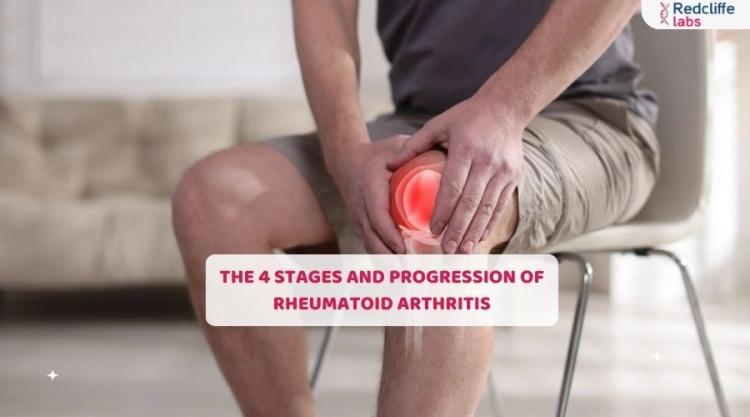
Rheumatoid arthritis is an autoimmune disease where the body's immune system mistakenly attacks healthy joint tissues. Unlike osteoarthritis, RA can affect multiple joints at once and damage internal organs. It may start affecting the small joints (hands, wrists, feet) and may progress to larger joints.
- Symptoms
- Symmetrical joint pain and swelling (both sides of the body)
- Prolonged morning stiffness
- Fatigue, fever, and unexplained weight loss
- Warm, red, and tender joints
- Fibromyalgia
It is a chronic disorder that causes widespread musculoskeletal pain. Unlike typical arthritis, it doesn't damage joints but affects how the brain processes pain signals. It is often linked to stress, infections, or trauma and can impact sleep, energy levels, and mental health.
- Symptoms
- Constant body aches and stiffness
- Fatigue and sleep disturbances
- Trouble with focus and memory
- Headaches, digestive issues
- Anxiety and depression
- Psoriatic Arthritis (PsA)
Psoriatic arthritis is a type of inflammatory arthritis that occurs in some people with psoriasis. Overall, it is a skin condition causing scaly patches.
In this condition, the immune system attacks joints and skin, and can cause permanent joint damage if left untreated. Moreover, it may appear years after psoriasis, or even before skin symptoms.
- Symptoms
- Joint pain, stiffness, and swelling
- Skin lesions (red, scaly patches)
- Nail changes (pitting, thickening, detachment)
- Eye inflammation in severe cases
- Lupus (Systemic Lupus Erythematosus, SLE)
Lupus is an autoimmune condition where the immune system attacks the body's tissues, including joints, skin, kidneys, and organs. It can cause arthritis-like symptoms in multiple joints and may affect internal organs over time. The triggers include sunlight, infections, and certain medications.
- Symptoms
- Joint pain, swelling, and stiffness
- Fatigue and fever
- Butterfly-shaped rash on the face
- Hair loss, kidney problems, chest pain
- Sensitivity to sunlight
- Gout
Gout is a form of inflammatory arthritis caused by high levels of uric acid, which forms crystals in the joints. It commonly affects the big toe but may spread to the ankles, knees, and fingers.
- Symptoms
- Intense joint pain, often at night
- Swelling, redness, and heat in the affected joint
- Limited mobility during attacks
Also read: How to Reduce Inflammation in the Body: Causes & Diet to Reduce It
What are the Main Causes of Arthritis?
The exact cause of arthritis is not known conclusively. A problem with your immune system can cause many types of arthritis, and some can be due to a genetic factor.
Other forms of arthritis, such as gout, can be caused by a metabolic condition. Here are some causes of arthritis that may be contributing to your condition.
- Increase age
- Smoking
- Obesity
- Having a family history of arthritis
- Heavy activity that involves high joint movement
- Injury
Important note: If you experience these symptoms and want certainty, then you should consider arthritis tests, including Blood Tests, Rheumatoid Factor Blood Test, Imaging Tests, and Uric acid test( for gout).
Also read: Comprehensive Guide to Rheumatoid Arthritis Treatment.
Arthritis and Diet
As mentioned above, your eating habits and choices depend on how arthritis affects you. So here, you get the knowledge of which foods you should consider and which foods to avoid with arthritis.
Diet Chart for Arthritis (Anti-Inflammatory Food Plan)
This diet chart will help you control inflammation, reduce pain, and prevent arthritis.
| Time of Day | Foods to Eat | Benefits for Arthritis |
| Morning (7–8 AM) | Warm lemon water + Overnight soaked almonds | Reduces stiffness, improves bone strength |
| Breakfast(8-9 PM) | Oats with chia seeds & walnuts + Green tea | Rich in omega-3, reduces inflammation |
| Mid- Morning Snack(11AM) | Papaya / Oranges / Berries | Vitamin C boosts cartilage health |
| Lunch(1-2PM) | Multigrain roti / Brown rice + Dal / Chickpeas + Spinach / Broccoli sabzi + Low-fat curd | Protein for tissue repair, antioxidants for joints |
| Evening Snack(5PM) | Turmeric milk / Herbal tea + Roasted flaxseeds | Natural anti-inflammatory, omega-3 rich |
| Dinner(7-8 PM) | Grilled salmon / Mackerel (or tofu/soy for vegetarians) + Steamed vegetables + Quinoa / Millet khichdi | Omega-3 for joint lubrication, easy digestion |
| Bedtime(10PM) | Lukewarm turmeric water | Prevents overnight stiffness |
Foods to Avoid with Arthritis
Here's a detailed guide on the foods to avoid with arthritis, and why you should cut them down for better joint health.
- White Rice & Refined Flour Items
Do you know your favourite white rice can be a reason for your joint pain? Yes, white rice has a high glycemic index, which can cause quick spikes in blood sugar and lead to inflammation. This can cause high pain in joints, especially in an arthritis patient.
- Sugary Sweets
Sugary sweets like gulab jamun, jalebi, and barfi can raise your inflammation markers and worsen arthritis symptoms. Also, high sugar leads to weight gain that can put extra pressure on your joints and cause stiffness over time.
- Fried and Fast Foods
French fries, samosa, pakoras and poori are high in trans fats and unhealthy oils. These foods may raise inflammation markers in the body and can cause long-lasting joint pain.
- Alcohol
Alcohol directly impacts arthritis by increasing inflammation and interfering with medications like methotrexate (commonly used for RA).
Furthermore, alcohol raises uric acid levels that may lead to painful gout flare-ups, which also cause dehydration and make stiffness worse.
Final Thought
If you're living with arthritis, your diet can help control inflammation. The worst foods to avoid with arthritis include red meat, processed meats, fried foods, sugary drinks, alcohol, excess salt, gluten, and packaged snacks.
Cutting these out and replacing them with anti-inflammatory foods like turmeric, ginger, nuts, olive oil, and green leafy vegetables can reduce your flare-ups and protect joint health naturally. If you want a complete diagnosis with an accurate report, you can schedule your arthritis test at Redcliffe Labs.
FAQ
-
What is the best way to reduce arthritis?
The best way to reduce arthritis is through a combination of lifestyle changes, medical care, and a proper anti-inflammatory diet.
-
What are the five worst foods to avoid for arthritis?
The top 5 worst foods to avoid with arthritis included Red meat, processed meat, sugary foods, Fast food, and Excessive salt foods.
-
How to prevent arthritis from getting worse?
Arthritis can't always be cured, but you can slow it down with the proper steps, staying active, protecting joints, quitting smoking, and early treatment.
-
Name the blood test for arthritis?
Arthritis tests included Rheumatoid Factor(RF), Anti-CCP, ESR (Erythrocyte Sedimentation Rate), and Uric Acid Test(confirm gout).