Women in Their 20s: Preventive Health Tests You Should Not Ignore

Medically Reviewed By
Dr. Mayanka Lodha Seth
Written By Ankita Mishra
on Feb 12, 2026
Last Edit Made By Ankita Mishra
on Mar 2, 2026

Most people think of our 20s as the "invincible" decade.
You're finally independent, chasing career goals, and perhaps surviving on more coffee than sleep.
It feels like your body can handle anything.
But here's the truth: the habits you form and the tests you take now are like a "health fixed deposit."
They pay off massively when you're 40, 50, and beyond.
Preventive health isn't about looking for trouble; it's about knowing your body's baseline. Whether you live in a bustling metro or a quiet town, your health deserves a seat at the table.
Common Health Conditions Women Face in Their 20s
While you might feel energetic, your 20s are a time of significant hormonal and lifestyle shifts. Many women in India face these common hurdles:
- Anemia:
Low iron levels are incredibly common, leading to constant fatigue and hair loss. - PCOS/PCOD:
Hormonal imbalances that cause irregular periods, acne, and weight gain. - Thyroid Imbalances:
A sluggish or overactive thyroid can mess with your mood and metabolism. - UTIs and Reproductive Infections:
Increased sexual activity or poor hygiene habits can lead to frequent infections. - Mental Health Struggles:
High stress from career pressure and social media often manifests as anxiety or burnout.
Why Does It Happen?
It's not just "bad luck." Several factors converge in your 20s:
- Lifestyle Shifts:
Transitioning from student life to a desk job often means less movement and more processed "convenience" food.
- Hormonal Peaks:
Your reproductive system is in its prime, which can sometimes lead to imbalances like PCOS if not supported by nutrition.
- Nutritional Gaps:
Many young women skip breakfast or rely on tea/coffee to get through the day, missing out on essential iron, Vitamin D, and B12.
- Stress:
The "hustle culture" increases cortisol levels, which directly impacts your menstrual cycle and skin health.
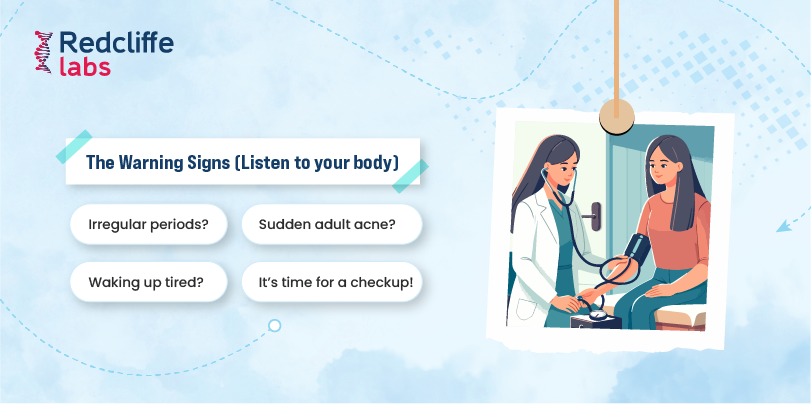
Measures to Prevent Future Health Issues:
As the saying goes, prevention is simpler than a cure. You can start with these three pillars:
- Early Screening:
Don't wait for pain. Getting a Pap smear at age 21 and checking Vitamin D and B12 levels annually can help you stay ahead of potential issues, giving you confidence in your health decisions. - Move with Purpose:
Aim for 30 minutes of activity daily. Incorporating strength training now can build your confidence and help you feel stronger and more in control of your future health. - Prioritize Sleep:
Your body repairs itself between 10 PM and 2 AM. Aim for 7-8 hours to keep your hormones balanced.
The Foundation Diet Plan for Women in Their 20s:
You don't need any fancy diet to stay healthy and keep going; you just need fuel.
Here is a basic, easy-to-follow plan using locally available Indian foods:
| Meal Time | What to Eat | Why? |
| Early Morning | Soaked almonds & walnuts or a glass of warm lemon water. | Kickstarts metabolism and provides healthy fats. |
| Breakfast | Vegetable Poha, Moong Dal Chilla, or Eggs with whole-wheat toast. | High fiber and protein to keep you full and focused. |
| Lunch | 2 Roti (Jowar/Bajra is better), a bowl of seasonal Sabzi, Dal, and Curd. | Probiotics from curd and protein from dal support gut health. |
| Evening Snack | Makhana (Fox nuts), a seasonal fruit, or a handful of roasted Chana. | Avoids the "biscuit & chai" sugar crash. |
| Dinner | Light Khichdi, Grilled Paneer/Chicken with salad, or Vegetable Soup. | Easy to digest before sleep. |
Note: This is a basic day-to-day diet; consult your dietitian if you have any health conditions or weight goals.
Also Read: https://redcliffelabs.com/myhealth/web-stories/5-self-care-tips-for-women/
Preventive Tests That are Essential in Your 20s
1. Blood Work You Can't Skip
Even if you feel perfectly fine, your blood tells a deeper story. In India, nutritional deficiencies are incredibly common among young women.
- Complete Blood Count (CBC):
This is the gold standard for checking Hemoglobin levels. Anemia is a silent energy drain, and many women don't realize their fatigue is actually due to iron deficiency.
- Vitamin D and B12:
If you have unexplained body aches or feel "low" despite sleeping well, check these. Most of us spend our days indoors, making Vitamin D deficiency a modern-day epidemic.
- Blood Sugar & Cholesterol:
You might think these are "old people" problems, but with our changing diets and sedentary lifestyles, PCOS and early-onset diabetes are rising in young women. Knowing your numbers early helps you pivot your lifestyle before a "condition" becomes a disease.
2. Reproductive & Sexual Health:
In Indian society, talking about "down there" still feels awkward. Let's clear the air: your reproductive health is just... health.
- The Pap Smear:
A simple test that looks for changes in the cells of your cervix. Most experts recommend starting these at age 21. It is the most effective way to prevent cervical cancer.
- HPV Screening:
Human Papillomavirus is common, and certain strains can lead to cancer later in life. Getting screened (and potentially vaccinated) in your 20s is a lifesaver.
- PCOS Screening:
If your periods are irregular, you're seeing sudden acne, or experiencing unusual hair growth, ask for a pelvic ultrasound and a hormonal profile. Managing PCOS early prevents fertility issues later.
- The Thyroid Check:
The thyroid is a tiny, butterfly-shaped gland in your neck that controls your metabolism. When it goes out of whack, everything from your weight to your mood shifts. Women are significantly more likely to have thyroid issues than men.
A simple TSH (Thyroid Stimulating Hormone) blood test can tell if your hormones are out of whack or if it's one of those days.
- Breast Cancer Screening (Not Just a Mammogram):
You don't usually need a mammogram in your 20s, but you do need to know what's normal for you. A Self-Breast Examination (SBE) once a month, right after your period, is vital.
If you feel a lump, a change in skin texture, or any discharge, don't panic; just go to a doctor. Most lumps are benign (non-cancerous), but it's always better to be sure.
Final Thoughts:
Your 20s are the perfect time to stop viewing health as a "someday" problem. Small tweaks in your plate and a few smart tests can change the trajectory of your life.
Don't leave your wellness to chance. Get a clear picture of your health with Redcliffe Labs, where you can book essential preventive tests from the comfort of your home.
Your future self will thank you for being proactive today.
Book Here: https://redcliffelabs.com/pune/package/stay-fit-pro-full-body-checkup-female
Frequently Asked Questions
-
Why are preventive health tests important for women in their 20s?
Preventive tests act as an early warning system. Many serious conditions, like cervical cancer, thyroid imbalances, or diabetes, don't show symptoms in the early stages. By catching these issues in your 20s, you can manage them with simple lifestyle changes rather than facing major health crises later.
-
How often should women in their 20s get a general health checkup?
Even if you are in peak health, an annual checkup is recommended. This allows your doctor to track changes in your blood pressure, weight, and mental health. It also builds a medical history that becomes invaluable as you get older.
-
Which blood tests are recommended for women in their 20s?
The core panel should include a Complete Blood Count (CBC) to screen for anemia, a Lipid Profile to assess heart health, a Fasting Blood Sugar test, and Vitamin D and B12 tests. These provide a snapshot of your nutritional status and metabolic health.
-
Is a thyroid test necessary in your 20s?
Yes, absolutely. Thyroid disorders are incredibly common in young women and often mimic symptoms of stress. If you're experiencing sudden weight changes, hair loss, or extreme fatigue, a TSH test is a must.
-
When should women start getting Pap smear tests?
The general guideline is to start at age 21. If the result is normal, you usually only need to repeat it every three years. It is one of the most effective ways to prevent cervical cancer.
-
Do women in their 20s need HPV screening?
Yes. HPV is a very common virus, and screening helps identify high-risk strains. Many doctors now offer the HPV test alongside the Pap smear for women over 25 to catch potential risks early.


