What Are the Signs and Symptoms of Cervical Cancer?

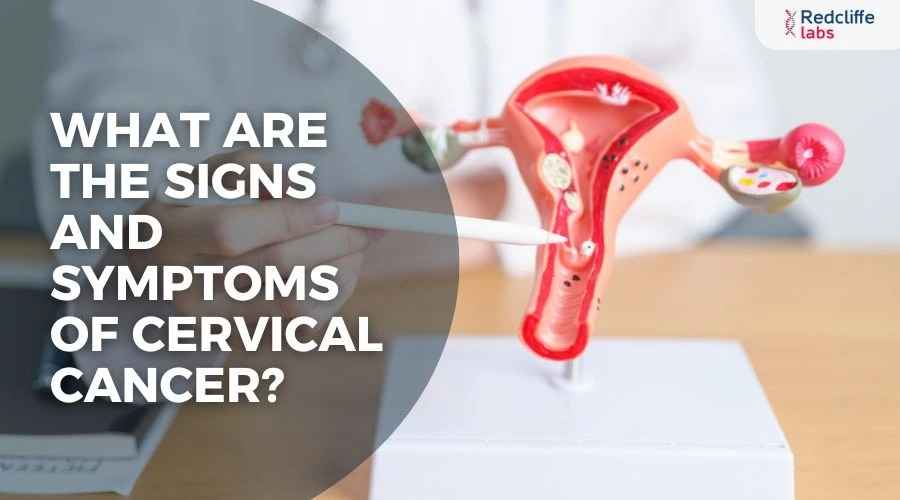
Cervical cancer is one of the most preventable and treatable cancers. Still, many women ignore early symptoms because they feel mild or unclear. Doctors can cure cervical cancer when they detect it early and start treatment on time. HPV vaccination and regular screening help protect women from this disease.
Cervical cancer starts in the cervix. The cervix connects the uterus to the vagina. A long-lasting infection with human papillomavirus (HPV) causes cervical cancer. Women living with HIV face a much higher risk. Women with HIV are six times more likely to develop cervical cancer.
Cervical cancer ranks as the fourth most common cancer among women. In 2022, doctors diagnosed over 6 lakhs women with cervical cancer, and over 3 lakhs women lost their lives to the disease.
Here in this blog, let's understand more about cervical cancer, what it is, the warning signs of cervical cancer, the causes, the risk factors, how to prevent cervical cancer, and more.
Causes of Cervical Cancer
Here are several factors that may increase the risk of cervical cancer.
- Persistent infection with oncogenic (high-risk) human papillomavirus (HPV) causes almost all cases of cervical cancer.
- HPV spreads through sexual contact and remains one of the most common sexually transmitted infections in the world.
- HPV can infect the skin, genital area, anal region, and throat.
- Most sexually active individuals get infected with HPV at some point in their lives.
How HPV Leads to Cervical Cancer?
Persistent infection with human papillomavirus (HPV) in the cervix (the lower part of the uterus that opens into the vagina, also known as the birth canal) can cause precancerous changes in cervical cells. When these changes remain untreated, they may lead to nearly 95% of cervical cancer cases. In most women, abnormal cervical cells take 15 to 20 years to develop into cancer.
Factors That Increase the Risk of Cervical Cancer Progression
Women with weakened immune systems, such as those with HIV, may develop cervical cancer faster. In such cases, progression may take 5 to 10 years instead of decades.
- Infection with highly oncogenic HPV types
- Weak immune system, including HIV infection
- Presence of other sexually transmitted infections
- Multiple full-term pregnancies
- Young age at first pregnancy
- Long-term hormonal contraceptive use
- Smoking can damage cervical cells and weaken the immune response
Early HPV detection and regular cervical screening can prevent these changes from progressing into cervical cancer.
Early Signs and Symptoms of Cervical Cancer
These are some early signs of cervical cancer that every woman must know.
- Abnormal Vaginal Bleeding- Abnormal bleeding is the most common early sign.
If you notice these symptoms, reach out to your doctor.
- Bleeding between periods
- Bleeding after sexual intercourse
- Bleeding after menopause
- Heavier or more extended menstrual periods
- Unusual Vaginal Discharge- Healthy vaginal discharge usually stays clear or milky and does not smell bad. Cervical cancer can change its appearance.
Warning signs include:
- Watery discharge
- Thick discharge
- Foul-smelling discharge
- Discharge mixed with blood
- Pain During Sexual Intercourse- Pain during sex is not normal. Cervical cancer can cause discomfort or pain during penetration.
You may feel:
- Sharp pain
- Deep pelvic pain
- Bleeding after sex
- Pelvic Pain or Lower Back Pain- Early cervical cancer may cause dull pelvic discomfort.
Symptoms may include:
- Persistent pelvic pain
- Pain that worsens during periods
- Lower back pain without injury
- Advanced Symptoms of Cervical Cancer
As cancer grows, symptoms become more severe. These signs indicate advanced disease and require urgent care.
- Pain During Urination or Bowel Movements- Cancer can press on nearby organs.
You may experience:
- Burning sensation during urination
- Difficulty passing urine
- Pain during bowel movements
- Blood in urine or stool
These symptoms indicate that cancer may have spread beyond the cervix.
- Swelling in the Legs- Advanced cervical cancer can block blood or lymph flow.
This blockage may cause:
- Swelling in one or both legs
- Pain or heaviness in the legs
- Doctors call this condition lymphedema. It requires medical evaluation.
- Unexplained Weight Loss and Fatigue- Cancer affects the body's energy levels.
Common signs include:
- Sudden weight loss
- Constant tiredness
- Loss of appetite
- Persistent Abdominal Pain or Bloating- Advanced cancer can irritate surrounding tissues.
Symptoms may include:
- Continuous abdominal pain
- Feeling full quickly
- Bloating
These signs often appear when cancer spreads.
Cervical Cancer Symptoms by Stage
Understanding symptoms by stage helps clarify disease progression.
Stage 1 Cervical Cancer Symptoms
- Mild abnormal bleeding
- Slight vaginal discharge
- Mild pelvic pain
- Many women show no symptoms at this stage.
Advanced Stage 2 and 3 Cervical Cancer Symptoms
- Pain during sex
- Foul-smelling discharge
- Pelvic and back pain
- Difficulty urinating
Advanced Stage 4 Cervical Cancer Symptoms
- Severe pelvic pain
- Leg swelling
- Blood in urine or stool
- Severe fatigue
- Weight loss
Warning Signs That Need Immediate Medical Attention
You should see a doctor if you notice:
- Bleeding after sex
- Bleeding after menopause
- Persistent pelvic pain
- Foul-smelling vaginal discharge
- Pain during sex
Doctors recommend not waiting for symptoms to worsen.
How Doctors Diagnose Cervical Cancer?
Doctors use multiple tests to confirm a diagnosis.
Common tests include:
- Pap smear
- HPV test
- Colposcopy
- Biopsy
Healthcare professionals use clinical examinations and diagnostic tests to confirm cervical cancer. The treatment options for cervical cancer include surgery, radiotherapy, chemotherapy, or palliative care to manage symptoms and improve quality of life.
When should you start testing for cervical cancer?
Regular screening detects abnormal cells before they become cancerous.
- Experts recommend that women aged 21 to 65 have Pap tests every three years.
- Women should undergo cervical cancer screening every 5 to 10 years starting at age 30.
- Women living with HIV need more frequent screening, every 3 to 5 years beginning at age 25.
- The global cervical cancer prevention strategy recommends at least two lifetime screenings, one by age 35 and another by age 45, using reliable testing methods.
Precancerous changes in the cervix usually do not cause symptoms, which makes regular screening essential, even for women who have received the HPV vaccine.
When Should You See a Doctor?
Doctors can successfully cure cervical cancer when they detect and treat it early. Women should consult a healthcare provider if they notice:
- Increased or foul-smelling vaginal discharge
- Unusual bleeding between periods, after menopause, or after sexual intercourse
- Constant pain in the back, legs, or pelvic area
- Sudden weight loss, fatigue, or loss of appetite
- Vaginal discomfort or pain
- Swelling in one or both legs
Final Thoughts
Early-stage cervical cancer does not cause any noticeable symptoms. Therefore, do not wait for the symptoms to worsen. If you notice any abnormal bleeding or pelvic pain, book an appointment and get yourself screened against cervical cancer. Awareness empowers women to take control of their health. Regular screening, HPV vaccination, and prompt medical care save lives. You should listen to your body and act early.
FAQ's
1. What are the warning signs of cervical cancer?
Common signs of cervical cancer are abnormal vaginal bleeding, bleeding after sex, bleeding after menopause, foul-smelling vaginal discharge, pelvic pain, pain during intercourse, and swelling in the legs.
2. What are the early signs of stage 1 cervical cancer?
Stage 1 cervical cancer may cause mild symptoms or no symptoms. Early signs include light bleeding between periods, bleeding after sex, watery vaginal discharge, and mild pelvic discomfort.
3. What color is cervical cancer discharge?
Cervical cancer discharge is often watery, pale pink, brown, or blood-tinged. It may look thick and may have a strong or foul odor.
4. How do you detect cervical cancer early?
A Pap smear finds abnormal cervical cells, and an HPV test detects high-risk virus types. Get the cervical cancer test done regularly, even without symptoms, to identify precancerous changes early and allow timely treatment.
5. Is cervical cancer 100% curable?
Cervical cancer is not always 100% curable, but early screening and treatment can improve cure and survival rates.