What Happens to Your Stomach When You Chew Cardamom After Every Meal? A Doctor Explains

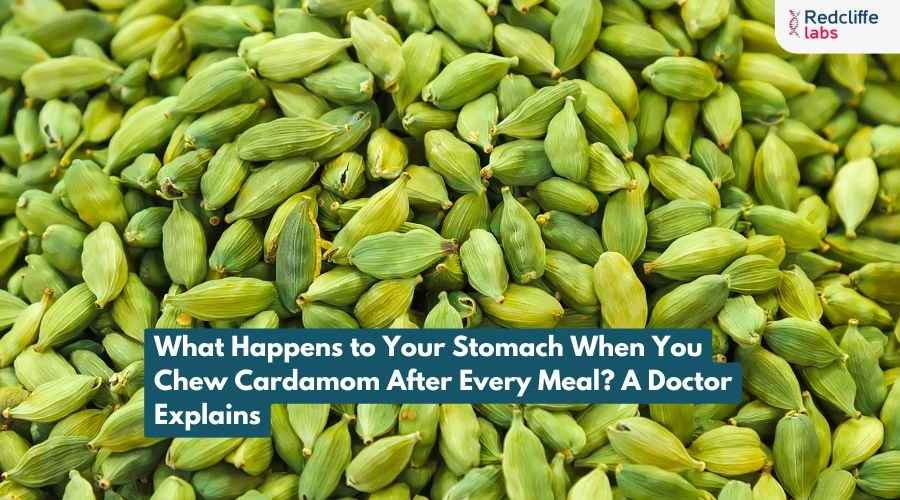
Ever noticed your grandmother grabbing a small cardamom pod right after finishing her meal, placing it between her teeth, and silently chewing it? Well, for a long time, that seemed like just one of those habits without any logical backing. Yet, if you consult a gastroenterologist, you may be amazed to learn that some traditional uses of cardamom are supported by emerging scientific evidence, particularly regarding digestive health. It is a fact that chewing cardamom, or elaichi, right after meals is an age-old tradition in Indian families, and only recently have studies on digestion revealed in detail the reasons behind it.
Many people wonder whether cardamom genuinely helps relieve bloating, gas, and post-meal discomfort or whether its effects are simply anecdotal. Is there any difference between using cardamom as a spice in cooking versus chewing a whole pod after eating?
This blog post explains how chewing a cardamom pod post-meal affects your digestive system, from the moment you first chew the pod to how it is digested in your gut. A physician takes you through the science, the right way to use it, and when you should not rely on it alone.
Why Do Many People Chew Elaichi After Meals
Chewing cardamom as a mouth freshener and digestive aid has been a practice of Indian families for centuries. Historically, cardamom was a natural mouth freshener and digestive aid. Cardamom, in Ayurveda, is praised for its warming properties and its ability to promote digestive balance.
Researchers continue to explore these traditional uses of cardamom in depth. One cannot say that cardamom treats digestive disorders, but some of its essential oils may contribute to improved digestive issues and also provide fresh breath after meals.
What Is Cardamom (Elaichi): The Tiny Pod With a Big Job
Elaichi, or cardamom, is a spice made from the seeds of plants of the Elettaria genus, originally cultivated in South Asia. Cardamom is called the "Queen of Spices" and is used in cooking and chai. The essential oils that give cardamom its fragrance and many of its digestive benefits are mainly found in the seeds. Chewing freshly crushed pods may release these compounds more effectively than long cooking, but there are no human studies that directly compare the two methods.
Studies show that the following substances play a role in the digestive properties of cardamom:
- 1,8-cineole - aromatic substance that may help stimulate digestive processes, although more human studies are needed.
- Alpha-terpinyl acetate - a substance that has demonstrated antispasmodic properties and may contribute to cardamom's traditional use for digestive discomfort.
- Limonene - carminative substance that helps release trapped intestinal gas.
- Flavonoids and polyphenols - antioxidants that have demonstrated anti-inflammatory effects in the laboratory and animal studies.
All these substances influence multiple stages of the digestive process, thus contributing to cardamom's long-standing reputation as a digestive spice in traditional culinary practices.
Also read:
This is What Happens to the Body When You Chew Cardamom After Meals
Chewing cardamom helps release essential oils in both your mouth and your digestive system. Experts say the digestive system can benefit from this process in several ways.
Step 1: Saliva Activation Begins Immediately
As soon as you begin chewing cardamom, the oil mixes with saliva. The spice’s distinct taste may help trigger the cephalic phase of digestion: the initial step, driven by taste and smell. This can increase saliva production and send signals that support digestive activity.
Step 2: Gastric Motility Improves
Cardamom is known to be helpful for digestive problems. Some of its substances might contribute to improved stomach motility and allow smoother transport of food from the stomach. Some experimental studies suggest that cardamom's volatile oils may support gastric motility; however, more research in humans is needed.
Step 3: Bile Secretion is Stimulated
Research conducted on animals indicates that cardamom may influence digestive enzyme activity and bile production. Nevertheless, further research in humans is needed to determine whether this has any beneficial effects after food consumption.
Step 4: Intestinal Gas Is Released More Easily
Certain substances in cardamom, namely limonene and cineole, appear to exert a carminative effect. This means they can act as relaxants, making it much easier to eliminate trapped gases in the body.
Step 5: Anti-Inflammatory Action in the Gut Lining
Cardamom contains several antioxidant agents and other substances, with anti-inflammatory effects observed in preclinical studies. While more human research is needed, there is potential to improve your digestion overall by consuming this spice regularly as part of a healthy diet.
Proven Benefits of Chewing Cardamom After Meals- What the Research Says
The benefits below are supported by research consistent with what gastroenterologists observe in clinical practice.
- Quick relief from bloating and trapped gas within 15 to 30 minutes after eating.
- Reduced feelings of nausea or queasiness after large, greasy, and spicy meals.
- Cardamom may help prevent a sense of sluggishness or fullness after eating.
- Better oral hygiene and fresh breath due to its natural antibacterial compounds that eliminate odour-causing bacteria.
- Reduced acid reflux symptoms in some individuals, although not consistent for everyone.
- Protection against microorganisms in the gastrointestinal tract as cardamom has demonstrated activity against H. pylori, a bacterium linked to gastric ulcers.
Not to be missed: From a digestive standpoint, these health benefits of cardamom are most effective when the spice is chewed as a whole pod after meals, rather than being ingested in its powdered form or used just as a flavor.
What Does Science Say About Cardamom and Digestion?
Research suggests that the presence of cineole and terpenes in cardamom may possess antioxidant and antimicrobial properties. There have been some studies on how cardamom can help maintain digestive well-being.
Nevertheless, further research is still required to draw any conclusions about its digestive benefits.
Who Benefits Most From This Practice?
While cardamom after meals is safe for most individuals, certain groups tend to be more careful:
- Individuals who experience persistent post-meal bloating or gas
- Those who eat heavy, spicy, or rich meals frequently
- Individuals who have known allergies to plants in the ginger family (Zingiberaceae)
- People with slow digestion
- Have gallbladder disorders
- Are you pregnant and planning to consume herbal preparations in large amounts?
- People who are on blood-thinning medications may interact with herbal products.
Green vs Black Cardamom -Which Is Better for Digestion?
Green cardamom (Elettaria cardamomum), the tiny, light-green pods found in desserts and chai, is the one most commonly suggested for digestive use after eating. It tastes milder and sweeter and has more of the essential oils associated with digestive benefits.
But black cardamom (Amomum subulatum) is bigger, has a smokier taste and is generally used in savoury dishes. Although it possesses some digestive properties, it differs from green cardamom (choti elaichi) and has historically not been used for after-meal digestion. For the purposes of the benefits, stick to green elaichi.
A Quick Comparison At a Glance!
| Type | Characteristics | Common Uses |
| Green cardamom (choti elaichi) | Mild, sweet aroma | Mouth fresheners, desserts, digestive use |
| Black cardamom (badi elaichi) | Smoky, robust flavor | Savoury dishes and curries |
How Much Cardamom Is Generally Considered Safe?
For most healthy adults, chewing one to two green cardamom pods after meals occasionally is generally considered safe.
There is no evidence that consuming more pods per sitting provides greater benefits, and it may have mild side effects in sensitive individuals.
Different Ways to Chew Cardamom Correctly for Maximum Digestive Benefits
Simply swallowing a cardamom-flavored sweet or drink does not provide the same benefit as the following approach:
- Squeeze the pod slightly between your teeth to crack the shell outside.
- Eat the seeds slowly and thoroughly, step by step, so you let out the essential oils.
- Keep the chewed seeds in your mouth for at least 30 to 60 seconds before swallowing.
- Avoid drinking water straight away; give the compounds time to continue working in the upper digestive tract.
Doctor’s Advice:
Chewing cardamom after meals may help some individuals feel more comfortable by supporting saliva production and reducing post-meal heaviness. However, recurring digestive symptoms should always be medically evaluated rather than self-treated indefinitely.
When Should You See a Doctor?
Consult a healthcare professional if you experience:
- Frequent stomach pain
- Unexplained weight loss
- Difficulty swallowing
- Persistent nausea or vomiting
- Blood in stools
- Severe acid reflux symptoms
- Ongoing bloating lasting several weeks
Also read:
Simple Tips to Support Better Digestion
Cardamom works best as part of an overall healthy lifestyle. You can support digestive health by:
- Having meal times on a set schedule
- Chewing foods properly
- Maintaining an active lifestyle
- Drinking enough fluids
- Reducing ultra-processed foods in your diet
- Managing stress
- Speak to your healthcare provider about digestive issues.
Remember, no single spice can replace healthy eating and professional healthcare guidance.
Closing Thought: Small Habit, Real Results
Chewing cardamom or elaichi after a meal is not merely a superstition but an age-old practice that has held up remarkably well against the lens of modern digestive science. From helping with enzyme secretion to aiding stomach motility, expelling excess gas, and reducing gut inflammation, cardamom for digestion is one of the most well-rounded functional foods available in everyday Indian kitchens.
For post-meal bloating, poor digestion, and the heaviness you feel after a meal, reaching for two small green pods, as your grandmother did, is a quietly powerful choice. Science, it turns out, was always on her side.
Key Takeaways:
- Cardamom is believed to enhance digestion and help with minor bloating.
- It also acts as a natural mouth freshener and may help combat bad breath.
- Scientific evidence is encouraging but still limited.
- If you have persistent digestive symptoms, you should see a doctor.
- Healthy lifestyle habits remain the foundation of good gut health.
FAQs
-
Can chewing cardamom after meals improve digestion?
Chewing cardamom after every meal may aid digestion by stimulating saliva production and promoting digestive activity. Additionally, some individuals experience relief from heaviness, bloating, and gas after eating. Nevertheless, scientific information about its benefits to humans is still developing. Therefore, it can only be considered as a complementary dietary practice rather than a treatment for chronic digestive disorders or persistent symptoms.
-
Is it safe to chew cardamom every day?
Generally, it is believed that one to two green cardamom pods per day are safe for most healthy adults. Excessive consumption of cardamom can lead to digestive problems in some people. People suffering from gallstones or allergy problems, or those on medication, including blood thinners, should seek medical advice before adding cardamom to their diet.
-
Which type of cardamom is better for digestion: green or black?
Green cardamom, or as it's more commonly known, choti elaichi, is the one that is usually chosen for digestive benefits. It contains a range of aromatic compounds linked to promoting digestion, and its gentle, sweet taste makes people enjoy chewing it after meals. Black cardamom (badi elaichi), however, has a smoky flavour and is mostly used in savoury dishes. Besides, it's not very often seen as a digestive aid after a meal.
-
Can cardamom help reduce bloating and gas?
Yes, cardamom may alleviate occasional bloating and excess gas due to its aromatic compounds, which are known for their carminative properties. However, scientific data supporting this claim in humans is rare, so consult your physician if persistent or severe digestive symptoms. Cardamom should be considered a supportive dietary habit rather than a substitute for medical treatment.
-
Should cardamom be chewed whole or consumed in food for digestive benefits?
Chewing on seeds freshly crushed from green cardamom pods may lead to better absorption of the seeds' oil content, compared to taking cardamom in meals. Although the above tradition is widely practised, there are no studies that compare the two forms of cardamom ingestion. Regardless of the method, moderation is important, and cardamom should be part of an overall healthy lifestyle.