Ultimate Guide To Blood Oxygen Levels

You measure calories, steps, and heartbeats.
Have you ever wondered what keeps these going?
It is oxygen. Blood oxygen levels indicate the well-being of your respiratory system. They are more than numbers. Oxygen circulates all over the body with the help of cells, tissues, and organs. Understanding the accurate oxygen level in the blood is crucial to saving your health promptly, especially when dealing with significant related health issues. This article provides a comprehensive guide on what oxygen levels mean, how to maintain proper oxygen levels, and tips for naturally boosting oxygen levels.
What Do Blood Oxygen Levels Mean?
Blood oxygen levels indicate the oxygen level required for optimal circulation throughout the body. Once inhaled, oxygen is directly transported into the bloodstream through the lungs. From the bloodstream, it goes to cells. Once the cells have used all the oxygen, they produce carbon dioxide and exhale it through the lungs, releasing it outside the body. All cells, tissues, and organs require sufficient energy for the body to function properly.
Low oxygen levels in the blood (hypoxemia) damage the circulatory system and are caused by cardiovascular conditions, lung disorders, and anaemia. An excessive oxygen supply in the blood is known as hyperoxemia, which is a rare condition. A specific range of blood oxygen levels is necessary to maintain optimal physiological conditions.
How Do We Measure Blood Oxygen Levels?
Knowing SpO2 levels measures the percentage of oxygen in your blood. SpO2 stands for saturation, and O2 stands for oxygen. The amount of oxygen-carrying haemoglobin in the blood compared to the amount of haemoglobin that does not carry oxygen is known as the SpO2 level or peripheral oxygen saturation. These levels are considered good when they range between 95% and 100%. Less than 90% of patients are considered to ask for medical attention and consultation with doctors.
What Causes Low Blood Oxygen Levels?
Low blood oxygen levels refer to hypoxemia, where the percentage of oxygen in the bloodstream is lower. Here are different reasons that caused that dip:
1. Anaemia
It refers to the level of hemoglobin, which is the amount of oxygen in the blood. A lower level ultimately leads to a lower capacity to carry oxygen.
2. COVID-19 and Respiratory Infections
One of the hallmark symptoms of COVID-19 is a low level of oxygen, which causes breathlessness. This is called silent hypoxia. It directly triggers the lungs and damages the respiratory tract.
3. High Elevation
Oxygen levels at high altitudes can cause problems with normal breathing. In this case, the amount of oxygen circulating in the blood vessels is comparatively less.
In addition to the causes mentioned above, sleep apnea and carbon monoxide poisoning are also caused by the presence of a lower amount of oxygen in the blood vessels.
Also read: Curtain Raiser: Covid-19 symptoms to watch for in 2025
Methods to Measure Blood Oxygen Levels
There are two methods by which you can detect the percentage of oxygen present in the bloodstream.
1. ABG Test
Arterial blood gas tests typically measure oxygen and carbon dioxide levels by drawing blood directly from an artery. They also check the pH of the blood to determine whether it is acidic or basic. Extreme care is provided for people with respiratory issues and some medical history.
2. Pulse Oximetry
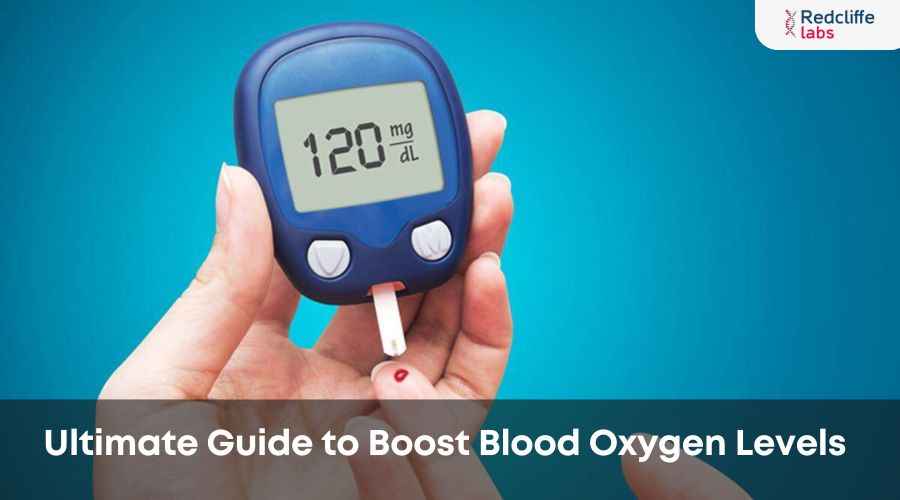
It is a noninvasive medical technique for detecting the normal range of SpO2. It is painless and can be used on patients. A pulse oximeter is clipped to a finger and emits light as it passes through the blood vessels. The oxygen saturation level in percentage can be easily calculated by comparing the color changes in oxygenated and deoxygenated haemoglobin. This can help detect early signs of respiratory issues.
Following the COVID-19 pandemic, many wearable devices, including smartwatches, fitness trackers, and hospital equipment, now feature SpO2 sensors for monitoring purposes.
How Do We Increase Blood Oxygen Levels?
Here are some methods to increase blood oxygen levels without relying on medications.
1. Adequate Sleep:
Getting at least 7 hours of sleep daily helps maintain the proper supply of oxygen throughout the body. A good amount of sleep benefits all parts of the body, including the respiratory system.
2 . Hydration
For maintaining blood viscosity, adequate hydration of the body plays a vital role, which in turn ensures the smooth transport of blood to all other organs.
3. Meditation:
Adding various aerobic exercises and yoga to a daily schedule will enhance the functionality of the lungs and give them strength.
4. Give Up Smoking:
Getting habituated to smoking all day can cost your lungs. Chain smoking will eventually make your lungs weak day by day. This will reduce the lungs' capacity to absorb oxygen.
5. Physical Activities:
Cardio exercises, such as brisk walking, swimming, and playing outdoor games, benefit the respiratory tract and cardiovascular system.
6. Healthy Diet:
Maintaining a balanced diet that includes all the necessary vitamins, minerals, protein, macronutrients, and micronutrients is essential for maintaining a proper blood oxygen level. Adding green vegetables and healthy drink options can also help.
When To Consult A Doctor?
When the amount of oxygen in the blood drops below 90 percent, it is time to consult a doctor. Breathlessness, continuous chest pain, suffocation, severe fatigue, and unexplained confusion are some red flags that indirectly tell you to take serious action and visit the nearby healthcare centres.
Also read: Blood Tests for Heart: Diagnosing Heart Conditions.
Conclusion
Blood oxygen levels indicate in many ways that your body is experiencing an internal imbalance. From head to toe, the whole body sounds perfect when blood oxygen levels are in control and significant. Whether you are a performing artist, a working professional, or simply a health enthusiast, it is essential to understand your oxygen saturation levels.
Observe them, protect them, and enhance their well-being by incorporating lifestyle changes, stress management, weight management, and regular physical activity. Regular health checkups offered by Redcliffelabs can help you in many ways. Explore the range of full-body checkups and take charge of your health.
FAQs
Q1: Is a 92% level of oxygen bad?
No, it is a borderline. Anything below this level is concerning, and you should consult a doctor.
Q2: Can stress lower blood oxygen?
Not directly, but indirectly, it can impact breathing, which directly affects oxygen intake.
Q3: What medical conditions can be caused by chronic hypoxemia?
COPD(chronic obstructive pulmonary disease), pulmonary hypertension, and congenital heart conditions are some of them.