Popcorn Lung: Symptoms, Causes, and Prevention Guide

Imagine after a long day, you realize that even a short climb up stairs, you're completely out of breath, much more than usual, and you thought it was probably just tiredness, pollution, or maybe you are just not used to physical exertion. However, what if the symptom of respiratory discomfort gradually gets worse, and the feeling of tightness in the chest persists as a part of your life? Initial respiratory changes are often overlooked because they initially manifest mildly.
Popcorn lung, or bronchiolitis obliterans, is one of the lung diseases people are increasingly worried about today. The term popcorn lung is said to have originated from a case in which workers at microwave popcorn-making plants developed lung injuries after inhaling chemical flavorings. Recently, similar concerns have been raised related to chemicals and certain vaping products.
Since it targets the smallest airways in the lungs, the disease's symptoms may develop slowly and be mistaken for asthma or bronchitis. Getting to know popcorn lung is one of the best ways to protect your lung health. You should also know why the disease occurs and what its early symptoms are, so you don't miss them.
This post explains what popcorn lung is, its causes, symptoms, diagnosis, treatment options, and prevention.
What Is Popcorn Lung?
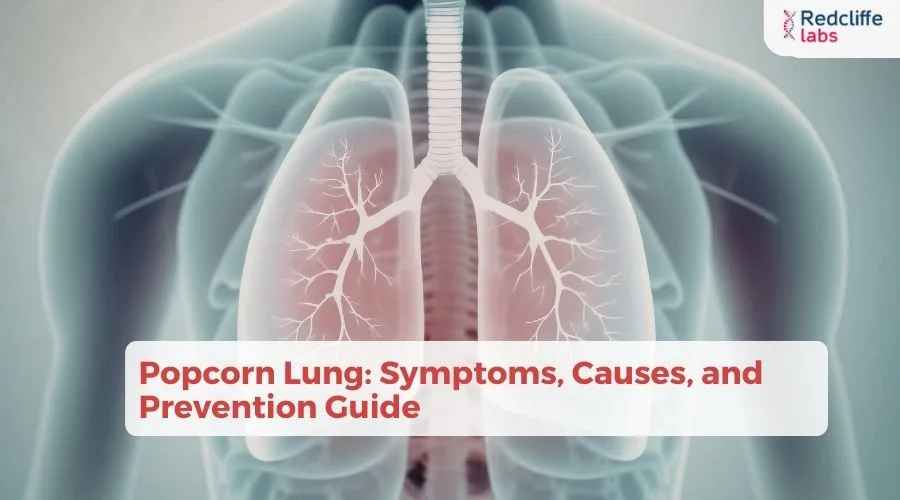
Popcorn lung is a lung disease that damages the small airways in the lungs, called bronchioles. As the condition worsens, the inflamed and scarred airways narrow, leading to breathing difficulties.
Eventually, the damage can become irreversible, leading to persistent breathing problems and reduced lung function.
Bronchiolitis obliterans, or popcorn lung, is a condition in which the bronchioles are inflamed and scarred, leading to airflow obstruction. Scarring in the lungs is what prevents efficient oxygen exchange.
Popcorn lung differs from typical respiratory infections in that symptoms usually develop slowly and do not resolve on their own. Prompt diagnosis and treatment are necessary to avoid further damage.
What Causes Popcorn Lung?
The lung injury known as popcorn lung occurs after exposure to harmful chemicals or very severe inflammation that destroys the lung tissue around the tiny airways.
The problem was initially noticed among employees who inhaled diacetyl, a chemical that gives popcorn its buttery flavor.
Although many e-cigarette manufacturers say they don't use diacetyl. Regulations differ across countries. In India, the Prohibition of Electronic Cigarettes Act, 2019, bans the manufacture, sale, import, and advertisement of e-cigarettes and vaping devices to protect public health.
Some of the most common causes are:
- Exposure to diacetyl, found in artificial flavorings
- Ammonia, chlorine, and nitrogen oxide fumes
- Hydrochloric acid or sulfur mustard (mustard gas) exposure
- Inhaling toxic fumes or industrial chemicals
- Some vaping liquid chemicals contain flavoring agents.
- Serious respiratory infections
- Autoimmune diseases that harm lung tissue
- Complications after a lung or bone marrow transplant.
The Centers for Disease Control and Prevention (CDC) says inhaling diacetyl particles over time can cause airway inflammation and scarring.
Although not all exposed persons develop the disease, repeated exposure increases the risk.
Symptoms of Popcorn Lung
Since they are similar to those of other lung diseases, the disease may go unnoticed in its initial stages by many.
Common symptoms include:
- Persistent dry cough
- Shortness of breath, especially during physical activity
- Wheezing
- Fatigue or reduced stamina
- Occasionally, coughing up mucus.
- Night sweats in some cases
- Rarely fever or skin rash
Medical attention is highly advisable, especially if breathing difficulty persists for a prolonged period.
When Popcorn Lung Becomes Serious
Popcorn lung could worsen over time as the inflammatory process in the bronchioles causes scarring and narrowing of the airways. Besides, this is why popcorn lung may be mistaken for a cold because symptoms are pretty similar:
Moreover, bronchiolitis obliterans syndrome is a lung disease in which scarring obstructs the small airways, leading to a gradual loss of lung function. This condition is most commonly seen in lung transplant recipients, as their immune system triggers a response against the transplanted lung.
The condition may develop differently in each person. Some people do not progress beyond the initial phase for years, while others may advance more rapidly. Doctors usually use spirometry, a pulmonary function test, to assess the extent of respiratory impairment.
How Is Popcorn Lung Diagnosed?
This can be quite difficult for doctors because the disease causes symptoms that can fit many other lung problems, like asthma, chronic bronchitis, or COPD.
Most of the time, the doctor will order tests to confirm the problem.
Common Diagnostic Methods Include:
- Medical history review, including chemical or occupational exposure
- Pulmonary function tests measure lung capacity.
- CT scan of the lungs to detect airway damage
- Chest X-ray
- Lung biopsy to confirm airway scarring (in rare cases)
Pulmonary function tests are useful because they measure how much air a person can inhale and exhale.
Is Popcorn Lung Dangerous?
Yes, it is serious.
Airway damage may become permanent if not treated early. This disease causes scarring of the small airways, which reduces airflow.
As the scarring increases, it becomes very hard to breathe.
Some of the complications that one may experience are:
- Chronic breathing difficulty
- Reduced oxygen supply to the body
- Decreased exercise tolerance
- Long-term lung damage
Nonetheless, when caught early, medical treatment can help slow disease progression and alleviate symptoms.
Treatment Options for Popcorn Lung
Once the airways are scarred by popcorn lung, it is not possible to completely cure it. But the medicines will still help you reduce inflammation, improve your breathing, and even slow the progression of the disease.
Depending on the level of the ailment, medical practitioners may suggest a set of interventions.
The possibilities of treatment are as follows:
- Corticosteroid drugs are used to decrease lung inflammation.
- Bronchodilators to assist in the opening of airways
- Oxygen therapy for severe breathing difficulty
- Use of antibiotics to treat infection
- Pulmonary rehabilitation programs
In advanced cases, doctors may consider lung transplantation, though this is rare.
Treatment mainly focuses on improving the quality of life and managing symptoms.
Can Popcorn Lung Be Prevented?
The key to preventing popcorn lung is limiting exposure to hazardous chemicals that can irritate the lungs.
While workplaces that handle flavoring chemicals have upgraded their safety measures in recent years, it remains the individual's responsibility to be careful when inhaling chemical vapors.
Practical prevention tips:
- Avoid inhaling chemical fumes or industrial vapors.
- Limit exposure to artificial flavoring chemicals.
- Be cautious with vaping or flavored e-cigarettes.
- Use protective masks or ventilation in chemical workplaces.
- Seek medical advice if persistent breathing problems appear.
According to the World Health Organization, reducing exposure to respiratory irritants is one of the most effective ways to protect lung health.
Also read:
https://redcliffelabs.com/myhealth/web-stories/7-superfoods-that-can-improve-lung-health/
When Should You See a Doctor?
Breathing issues should never be ignored, especially if they persist for weeks.
- Consider seeking medical advice if you notice:
- Constant shortness of breath
- A chronic cough lasting more than 3 to 8 weeks
- Unexplained wheezing
- Difficulty breathing during mild activity
Early evaluation can help identify lung problems before they become severe.
Conclusion
Although it may sound strange, popcorn lung is a quite severe lung disease that damages the smallest airways and, over time, impairs breathing.
The disease progresses slowly, which is why most people do not recognize its early symptoms.
Knowing the reasons behind it, its symptoms, and ways to prevent it can help people keep their respiratory systems safe. In cases of bronchiolitis obliterans, the damage may not be reversible, but if the disease is identified in time and treated, its progression can be delayed, and the patient's life can be considerably improved.
Along with prioritizing our environment, regular health monitoring is crucial for maintaining healthy lungs.
One's health can be safeguarded for a long time by availing preventive measures, such as regular health checks and, if necessary, pulmonary function tests. Redcliffe Labs is equipped with the right facilities to provide diagnostic services that not only help individuals but also enable them to assess their lung health and their overall well-being.
Key takeaways:
- Exposure to chemicals and/or vaping may increase the risk of popcorn lung.
- Coughing, wheezing, and difficulty breathing are common symptoms of popcorn lung.
- Early diagnosis helps manage the condition effectively.
FAQs
-
What is popcorn lung?
Popcorn lung, or bronchiolitis obliterans, is a very rare lung disease that damages the tiniest airways in the lungs. This condition leads to inflammation and scarring of the bronchioles, which become so narrow that it becomes difficult for air to pass through them. If neglected, this may eventually lead to respiratory problems, persistent coughing, and reduced lung capacity.
-
What causes popcorn lung?
Popcorn lung most often develops from prolonged exposure to hazardous chemicals at the workplace. One of the most famous such chemicals is diacetyl, used in artificial flavorings. Besides toxic industrial waste release, certain vaping chemicals, serious respiratory infections, autoimmune diseases, and lung or bone marrow transplantation can damage the small airways.
-
Can vaping cause popcorn lung?
Researchers believe that some flavored e-cigarettes may contain diacetyl, a chemical that is probably responsible for popcorn lung. While many manufacturers claim that they do not use this chemical, inhaling flavoring agents in vaping products remains a concern. As regulations differ from one country to another, some, including India, have even banned the use of diacetyl in e-cigarettes.
-
What are the early symptoms of popcorn lung?
Initially, popcorn lung symptoms are very subtle and may be confused with those of other respiratory diseases. Individuals might experience a persistent cough, shortness of breath with exertion, wheezing, or even atypical tiredness. Since these symptoms may emerge slowly, the person may ignore them for a while. If respiratory problems persist for several weeks, it is advisable to seek medical attention.
-
What is bronchiolitis obliterans syndrome?
Bronchiolitis obliterans syndrome (BOS) is a disorder in which inflammation and scarring reduce airflow in the smallest airways of the lungs. It mainly occurs in people who have undergone lung or bone marrow transplants and in whom the immune system attacks the transplanted tissue. Eventually, this scarring may cause breathing difficulties and lead to deterioration of lung function.
-
Will my lungs heal if I quit vaping?
Quitting vaping can help prevent lung irritation and damage, improving breathing symptoms over time. However, if bronchiolitis obliterans or other severe airway scarring has already occurred, the damage might not be fully reversible. Stopping vaping early can still protect lung health by reducing inflammation and lowering your risk of respiratory illness in the future.
-
Is popcorn lung curable?
There is no definitive cure for popcorn lung as yet, particularly when lung tissue is scarred. Nevertheless, treatment can alleviate symptoms and slow the progression of the illness. The doctor might prescribe anti-inflammatory drugs, recommend inhalers to improve breathing, suggest oxygen therapy, or advise pulmonary rehabilitation exercises to help the patient breathe better.