tTG IgA Test: What It Is, Normal Range, and How to Understand Your Reports

Medically Reviewed By
Dr. Mayanka Lodha Seth
Written By Sheena Mehta
on Aug 30, 2025
Last Edit Made By Sheena Mehta
on Aug 30, 2025
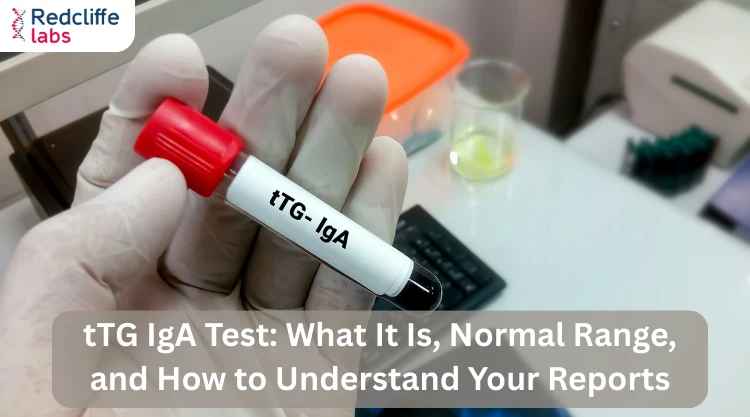
Have you ever felt uncomfortable immediately after eating your favorite foods, such as pasta, bread, or pizza? You might have thought that consuming fast food would not only pamper your taste buds but also bring inner happiness.
However, things may have turned unpleasant, leaving you regretting what you ate. If you have felt so, today's blog is for you. Did you know that more than causing indigestion, it might signal celiac disease? That's why healthcare professionals recommend a tTG IgA test to help detect celiac disease.
We will cover the TTG IGA test normal range and everything essential to help you understand what your specific test results mean. Discuss your reports with a qualified professional for personalized guidance and a treatment plan.
What does tTg-IgA stand for?
It is abbreviated as (tissue transglutaminase-immunoglobulin A).
- tTg stands for tissue transglutaminase, a kind of protein in the intestines called an enzyme.
- IgA stands for immunoglobulin A. It is an antibody that your immune system produces to neutralize harmful substances, such as germs.
The tTG-IgA (tissue transglutaminase-immunoglobulin A) test is a simple blood test that helps detect celiac disease. In this condition, your immune system reacts abnormally to gluten.
Early detection matters because untreated celiac disease can lead to nutrient deficiencies, bone problems, and long-term health risks.
What is the tTG IgA Test, and what does it do?
The tTg-IgA is the most widely used and recommended first-line screening test for celiac disease, especially if you have a family history of the condition, autoimmune disorders such as type 1 diabetes or thyroid disease, or unexplained anemia.
Additionally, the test is crucial if you have digestive symptoms such as:
- Bloating
- Stomach pain
- Trouble pooping
- Vomiting
- Diarrhea
- Fatigue.
The test is done to:
- Check IgA antibodies against tissue transglutaminase, which is an essential enzyme for cell repair in the gut.
- The test detects antibodies early to help prevent complications from untreated celiac disease. These may include malnutrition, osteoporosis, and other autoimmune diseases.
Health Alert: In celiac disease, gluten is mistaken for a protein found in foods like wheat, barley, rye, and sometimes oats. Instead of ignoring it, the body reacts as if it is fighting an infection.
What is the tTg IgA normal range?
The normal tTg IgA blood test range varies based on your age, medical history, genetics, and values may change between laboratories.
| Result (U/mL) | Interpretation |
| <20 U/mL | Negative |
| 20-30 U/mL | /Low |
| > 30 U/mL | Strong Positive |
What do these levels mean for you?
Here is what your levels may mean for you. Consult a qualified professional for a better understanding of your TTg IgA test reports:
1. Negative Result
A negative tTg IgA suggests that celiac disease is unlikely to be present. However, symptoms may be caused by other digestive issues.
Possible Symptoms/ Risks
During periods of low or negative results, you are likely to experience digestive issues, such as bloating, diarrhea, or fatigue. Low IgA levels may cause false-negative results. Experts may order to repeat the test or tests for IgA deficiency to make an accurate diagnosis.
2. Borderline/Weak Positive
A weak positive suggests possible celiac disease. It may require repeat testing or additional antibody tests, such as other antibody tests (e.g., tTG IgG or DGP tests).
3. Strong Positive (High)
A strong positive indicates celiac disease, which is a cause of concern. Your body is producing antibodies because gluten is harming your intestines. Healthcare professionals typically confirm the diagnosis with an endoscopy and biopsy.
Note: Results should be interpreted in conjunction with symptoms and medical history. The tTg IgA may decrease after starting a gluten-free diet, reflecting successful treatment.
How to maintain healthy levels?
To maintain regular and healthy tTG-IgA levels:
- Eat a balanced diet. Avoid gluten if you have celiac.
- Eating a gluten-free diet with celiac disease will help normalize your antibody levels. Stick to it.
- Regular health check-ups are crucial for making informed decisions about your health.
What to do if your levels are not in the normal range?
Abnormal tTg IgA test results are a cause of concern. These next steps are essential for proper care:
1. General Lifestyle Advice
It may include:
-
No gluten-free diet
Do not start a gluten-free diet before a proper diagnosis on your own unless your doctor confirms you have celiac disease. If you remove gluten before the test, it can interfere with test results and delay the proper treatment.
-
Follow a strict gluten-free diet.
Once your healthcare professional confirms you have celiac disease, follow a strict gluten-free diet. Here is a list of foods that you should altogether avoid:
- Cereals
- Breads
- Grain products like wheat, barley (Oats may be included if labeled gluten-free)
- White or whole wheat flour is used in a variety of baked goods, including cookies, cakes, and crackers.
-
Incorporate nutrient-rich foods
These include fruits, vegetables, lean protein, and gluten-free options such as rice, corn, and quinoa. These foods will transform your overall health and can prevent further nutrient deficiencies.
-
Maintain overall health
Start exercising regularly, practice yoga and meditation, aim for 7-8 hours of sleep, and stay hydrated.
2. When to see a doctor
You should contact a doctor:
- When you experience digestive discomfort, such as chronic diarrhea, bloating, abdominal pain, or unexplained weight loss.
- Suppose you receive equivocal or borderline tTg IgA test results. You may require a repeat or additional antibody test.
- For positive or tTG IgA test results, an intestinal biopsy may be done before recommending a lifelong treatment.
Important Note: Only a qualified healthcare professional can confirm celiac disease depending on your symptoms, IgA levels, family history, and sometimes biopsy findings.
FAQs
1. What is a good tTG IgA test value?
A ttg iga test normal value less than 20 U/mL is a good tTg IgA normal range. This means you are unlikely to have celiac disease.
2. What is a positive tTG result?
A strongly positive result means tTG level of greater than 30 U/mL. Different labs may use different lab values. However, a positive tTg test result may require a biopsy to confirm the diagnosis of celiac disease.
3. What is a tTG IgA test for kids?
The tTg test is performed in the same manner for kids as for adults. Doctors often order the test when a child has symptoms such as poor growth, chronic diarrhea, anemia, or stomach pain.
4. Is tTG IgA fasting required?
No, fasting is not required for tTg-IgA. You can eat or drink your regular foods that contain gluten before the test; otherwise, the results may be falsely negative.
Conclusion
If you are lactose or gluten intolerant, you may be at a higher risk of celiac disease. Therefore, it is crucial to get the tTG IgA test done if you notice any of the symptoms above.
If you're experiencing ongoing digestive issues or want to check your risk for celiac disease, you can easily book your tTG IgA Test with Redcliffe Labs. Enjoy the convenience of home sample collection, accurate reports, and affordable pricing, all under the trusted guidance of medical supervision.
Just got tested? Enter your tTg IgA levels below in the test value evaluator to understand what your values mean.