Pap Test (Pap Smear): Purpose, Procedure, Preparation & Results

Cervical cancer is the fourth most common cancer in women globally, despite it being one of the largely preventable cancers through HPV vaccination and regular screening. Cervical cancer is caused by persistent infection with human papillomavirus (HPV). Women living with HIV are 6 times more likely to develop cervical cancer compared to women without HIV.
This is where the Pap test (Pap smear) becomes important. It is a simple, quick, and life-saving test that can detect abnormal cervical cells before they turn into cancer.
The pap smear test is a lifesaving screening tool for cervical cancer. The test detects abnormal cells in the cervix before they become cancerous. Healthcare providers often perform HPV tests during PAP tests to check the HPC, which is a leading cause of cervical cancer. An unclear or abnormal Pap smear result may indicate an infection, another problem, or cancer.
Let's understand the importance of the Pap test, when you should get it done, and more. This guide answers everything.
What is a Pap Test?
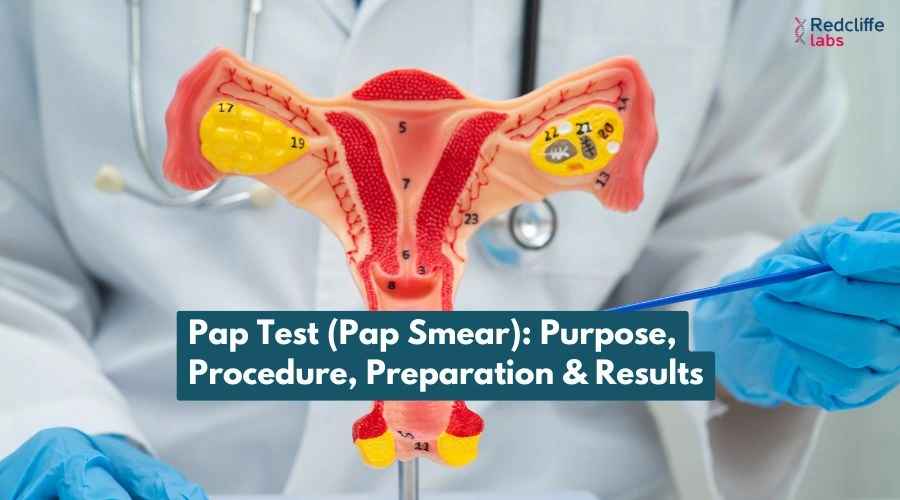
A Pap test (Pap smear) is a simple screening test that helps detect abnormal changes in the cells of the cervix, the lower part of the uterus. These changes can develop into cervical cancer if not treated early, which is why regular screening is important even if you feel healthy.
According to the WHO, cervical cancer develops slowly over time, and only early detection through screening tests like the Pap smear can help you detect and reduce the risk by identifying cell changes before they turn into cancer.
Pap Test vs HPV Test
Both tests play a key role in detecting cervical cancer, but they serve different purposes:
- Pap test: The Pap test detects abnormal or precancerous cervical cells.
- HPV test: The HPV test detects the Human Papillomavirus (HPV), a common virus responsible for most cervical cancer cases.
Doctors usually recommend both tests together for more accurate results and better risk assessment.
Why is a Pap Test Done?
The Pap test plays an important role in preventive healthcare. It helps doctors to detect changes in cervical cells at an early stage, so they can take action before the condition becomes serious.
- Detect abnormal cervical cells early: The test identifies cell changes before they progress to cancer, enabling timely treatment.
- Identify early signs of cervical cancer: The Pap screening helps to detect cervical cancer at an early stage.
- Detecting infections or inflammation: In some cases, the test may also indicate infections or irritation of the cervix.
- Monitor cervical health over time: Regular testing helps track abnormal changes in the cervix and ensure everything stays normal.
Also read: Can the PAP Smear Test Detect HIV?
When Should You Get Screened for Cervical Cancer?
Precancerous changes in the cervix usually show no symptoms, which means you may feel completely healthy. Regular screening helps detect these changes early, even if you have received the HPV vaccine.
According to the World Health Organization, women should follow these screening guidelines:
- Women aged 30 and older: Get screened every 5-10 years with a high-quality test.
- Women living with HIV: Start screening earlier, from age 25, and repeat every 3-5 years.
- Minimum lifetime screening: At least two screenings are recommended, one by age 35 and another by age 45.
Why Regular Screening Matters
- Self-sample testing: You can collect your own sample for HPV testing. Studies show it is as reliable as samples collected by healthcare providers.
- Detects changes before cancer develops: The test finds abnormal cervical cells at an early stage, so doctors can treat them before they turn into cancer.
- Reduces cervical cancer risk: Regular screening lowers your chances of developing cervical cancer significantly.
- Treatment is simple and effective: If detected early, precancerous changes can be treated easily to prevent cervical cancer.
According to the Centers for Disease Control and Prevention, regular screening can reduce the risk of cervical cancer by up to 80%.
Who Should Get a Pap Test?
A Pap test is important for women who may be at risk of cervical cell changes caused by persistent HPV infection. This infection can slowly lead to precancerous changes, which may develop into cervical cancer if not treated in time.
According to the World Health Organization, this process usually takes 15-20 years, but in women with a weak immune system, such as those with untreated HIV, it can progress faster within 5-10 years.
You should take a Pap test if:
- You are a woman aged 21 years or above
- You are sexually active
- You have a history of HPV infection
- You have a weakened immune system (such as HIV)
- You have had multiple pregnancies
- You had an early pregnancy at a young age
- You use hormonal contraceptives long-term
- You smoke or have other lifestyle risk factors
- You have had other sexually transmitted infections (STIs)
Consult Your Doctor If You Notice These Signs
Cervical cancer can be treated and even cured if doctors detect it early. That's why it is important to notice symptoms and seek medical help without delay.
- Unusual bleeding between periods, after menopause, or after intercourse
- Increased or foul-smelling vaginal discharge
- Constant pain in the lower back, legs, or pelvic area
- Sudden weight loss, fatigue, or loss of appetite
- Vaginal discomfort
- Swelling in the legs
Read more: The Importance of Pap Smears: Screening for Early Detection.
Preparation for Pap Test
Preparing properly for a Pap test helps ensure accurate results. Small steps before the test can prevent anything from affecting the sample.
What you should do before the test:
- Avoid intercourse for 24-48 hours: Sex can disturb cervical cells and affect the test results.
- Avoid vaginal creams, medicines, or lubricants: Do not use tampons, vaginal creams, medicines, lubricants, or douches for two days prior.
- Inform your doctor about any medications or pregnancy: This helps the doctor take appropriate precautions and interpret results correctly.
- Timing of the test: Schedule your test after your period ends. If you are on your period or expect to be on your period on the test day, contact your doctor to reschedule or get guidance.
Procedure of Pap Test (Step-by-Step)
Many women feel anxious before the test, but the procedure is simple and quick.
What happens during the test:
- First, you will undress from the waist down and lie on an examination table. You will place your legs in a comfortable position so the doctor can examine the cervix.
- The doctor gently inserts a speculum into your vagina. You may feel slight pressure. This helps the doctor see your cervix clearly.
- The doctor uses a small brush or spatula to collect a sample of cervical cells.
- The collected sample is placed in a container and sent to a lab for testing.
- The speculum is then removed, and the procedure is completed.
- The test usually takes 5-10 minutes. The procedure is safe, quick, and performed by trained professionals. The collected sample is sent to a lab, where a specialist examines the cells under a microscope. They check for any abnormal changes that may indicate infection, HPV, or early signs of cervical cancer.
Is a Pap Test Painful?
A Pap test is not painful. Some people may feel mild discomfort or pressure. Some women may notice light spotting after the test, which is normal. If you feel pain or bleeding that lasts more than a day, you should contact your doctor.
Tips to stay relaxed during the Pap test:
- Take deep breaths
- Stay calm and avoid tensing your muscles
- Talk to your doctor if you feel anxious
Understanding Pap Test Results
After your Pap test, your report will show what the lab found in your cervical cells. The results help your doctor understand your risk and decide the next steps.
Types of results:
- Normal (Negative Result): No abnormal or precancerous cells are found. This means everything looks healthy.
- Unclear (Inconclusive Result): If the lab cannot determine whether the cells are normal or abnormal. Your doctor may ask you to repeat the test to get a clearer result.
- Abnormal Result: Some cells look different from normal. This does not mean cancer, but it may indicate early or precancerous changes.
- Low-grade changes: These develop slowly and may take years to turn into cancer.
- High-grade changes: These require closer attention, as they may progress more rapidly if left untreated.
However, if you are looking for the Pap smear test, you can choose Redcliffe Labs as your healthcare provider. Here, you get the best sample collection experience.
Read more: HPV and Cervical Cancer: Everything You Need to Know.
Get Screened Early, Book Your Pap Test Today
Your health should never wait for symptoms to appear. The Pap test is simple, quick, and can prevent serious conditions like cervical cancer.
You can book your test with Redcliffe Labs to receive accurate, reliable reports. The professionals use advanced technology to deliver the best quality experience. Do not delay in testing, because early screening can save lives. Make your health a priority. Stay informed, stay proactive, and never ignore regular checkups. Book your Pap test today and take a step towards better, safer health.
FAQ's
1. What does a Pap test test for?
A Pap test checks for abnormal or precancerous cells in the cervix. It helps detect early changes that may lead to cervical cancer. It can also indicate infections or inflammation, allowing doctors to take timely action and prevent serious complications.
2. What happens if a Pap test is positive?
If your Pap test is positive, it means the test found abnormal cells, not cancer. Your doctor may recommend repeat testing, an HPV test, or further evaluation, like a colposcopy.
3. Is a Pap test painful?
No, a Pap test is usually not painful but may cause mild discomfort or pressure. The procedure takes a few minutes. Some women may experience slight spotting after the test, which is normal. If discomfort persists, always consult your doctor.
4. What diseases can be detected by a Pap smear?
A Pap smear can detect precancerous and cancerous cervical cells. It may also indicate HPV infection, inflammation, or certain infections.
5. What is the difference between a Pap and an HPV test?
A Pap test checks for abnormal cervical cells, while an HPV test detects the virus that causes most cervical cancers. Doctors may use both tests together for better screening and early detection of potential health risks.