Oral Glucose Tolerance Test: Why It's Done & What Results Mean

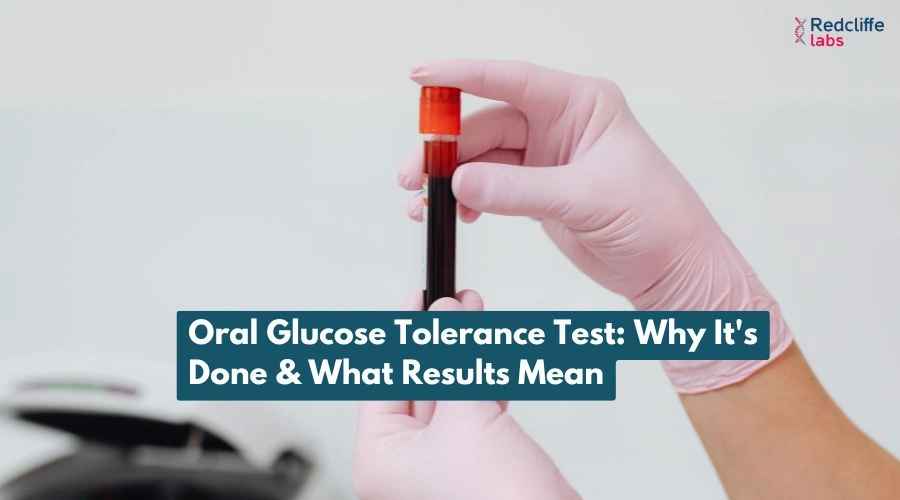
It's possible to have a normal blood sugar test and still face issues. Many people with early diabetes or insulin resistance are missed because standard tests only show their blood sugar at one point. These tests don't reveal how your body manages sugar throughout the day. The Oral Glucose Tolerance Test (OGTT) helps by tracking your body's response to glucose over several hours. This gives doctors a clearer picture of how well your body processes sugar and how effectively insulin is working.
OGTT is important for finding prediabetes and diagnosing gestational diabetes during pregnancy. It helps you and your doctor understand how your body responds to sugar in real time, not just by looking at numbers. In this blog, we'll cover why the test is done, what happens during the test, and how to understand your results simply.
Also Read: What a Fasting Blood Glucose Test Reveals About Your Health?
What is an Oral Glucose Tolerance Test (OGTT)?
The Oral Glucose Tolerance Test (OGTT) is a straightforward test that assesses how your body processes glucose. Unlike a regular blood sugar test, which gives just one result, the OGTT measures your glucose levels over several hours after you drink a sugary solution. This helps doctors see how your body reacts to sugar and how well insulin is working to keep your blood sugar under control.
The OGTT is commonly used to detect conditions like prediabetes, diabetes, and gestational diabetes. Identifying problems early allows for timely treatment and better health management.
Why is the OGTT Done?
The OGTT is recommended in several situations:
To diagnose prediabetes and diabetes, the OGTT detects early blood sugar abnormalities that may not appear on routine fasting tests. It shows how your body handles sugar over time, making it easier to identify prediabetes or diabetes before symptoms worsen or complications develop.
To check for gestational diabetes: During pregnancy, hormonal changes affect how the body processes sugar. The OGTT detects gestational diabetes early, ensuring proper care for mother and baby and reducing risks during pregnancy and delivery.
To assess insulin resistance: Insulin resistance occurs when the body does not respond properly to insulin. The OGTT evaluates how effectively insulin controls blood sugar after glucose intake, giving doctors a clearer picture of your metabolic health.
For people with risk factors: Those who are overweight, have a family history of diabetes, or have conditions like PCOS are at higher risk. The OGTT detects hidden blood sugar issues early, allowing timely lifestyle changes and treatment to prevent future complications.
What is the normal range of OGT?
The Oral Glucose Tolerance Test (OGTT) measures how your body handles sugar after a glucose drink. The 2-hour reading is most important. If your blood sugar is below 140 mg/dL, it is normal, meaning your body processes glucose effectively. A result between 140 and 199 mg/dL indicates prediabetes, suggesting a higher risk of developing diabetes. A level of 200 mg/dL or above usually confirms diabetes and may require further evaluation and treatment.
OGTT results are not interpreted in isolation. Your doctor considers other tests, symptoms, and medical history to make an accurate diagnosis and recommend the right treatment.
Why is OGTT Important During Pregnancy?
The Oral Glucose Tolerance Test (OGTT) is important during pregnancy to check for gestational diabetes. It is usually recommended between 24 and 28 weeks, when blood sugar levels are more likely to change. This test helps doctors understand how well the body manages sugar during this critical time.
Detecting gestational diabetes early helps protect the mother and baby. It reduces risks like high birth weight, difficult delivery, or health issues after birth. Early diagnosis allows doctors to guide changes in diet, physical activity, and care. Timely management ensures a healthier pregnancy and smoother delivery, keeping both safe and well.
What Do Abnormal OGTT Results Mean?
If you have observed major fluctuations in your test results, then there is a chance you can deal with the following health issues:
- Prediabetes: Prediabetes means your blood sugar levels are higher than normal but not high enough to be called diabetes. It is an early warning sign that your body is starting to struggle with sugar control, and lifestyle changes can help prevent progression.
- Type 2 Diabetes: Type 2 diabetes occurs when your body cannot use insulin properly or does not produce enough of it. This leads to consistently high blood sugar levels, which may require medical treatment, lifestyle changes, and regular monitoring to manage effectively.
- Gestational Diabetes: Gestational diabetes develops during pregnancy due to hormonal changes affecting insulin function. It is usually temporary but needs proper care, as it can impact both mother and baby if not managed well.
What are the symptoms that may lead to an OGTT?
Doctors may recommend an Oral Glucose Tolerance Test (OGTT) if you have symptoms indicating a blood sugar imbalance. A common sign is frequent urination, as excess sugar pulls more water into urine. Excessive thirst often follows as the body tries to replace lost fluids.
You may also feel unexplained fatigue, even after rest, because your body is not using glucose effectively for energy. Blurred vision can occur due to blood sugar fluctuations affecting the eyes. Some people notice sudden weight changes, loss or gain, without a clear reason. These symptoms may seem mild, but they can signal underlying issues. An OGTT helps detect problems early and guides timely treatment.
What are the Risks and Side Effects?
Here are the following risks and side effects associated with this test :
Mild nausea after drinking glucose solution: Some people may feel slightly nauseous after drinking the sugary solution, especially if they are not used to sweet liquids on an empty stomach. This feeling is usually temporary and fades as the body processes the glucose.
Dizziness or weakness: You might feel dizzy or weak during the test, especially after fasting for several hours. This happens as your body adjusts to changes in blood sugar. Sitting and resting during the test usually helps.
Slight discomfort during blood draws: Multiple blood samples may cause mild discomfort or a small pinch at the needle site. Some people notice slight bruising, which is normal and usually disappears quickly.
What are the tips for managing blood sugar naturally?
Here are the following measures that you can take to manage blood sugar levels without using any medication:
Eat balanced meals with fiber and protein: Fiber-rich foods like vegetables and whole grains, along with protein, help slow the absorption of sugar. This keeps blood sugar stable and prevents spikes or crashes, making your energy more consistent throughout the day.
Reduce refined sugar intake: Cutting sugary drinks, sweets, and processed foods helps control blood sugar. Replacing them with fruits or natural snacks supports better metabolism and reduces the risk of long-term health issues.
Exercise regularly: Physical activity helps your body use insulin more effectively. Simple exercises like walking, yoga, or light workouts improve blood sugar control and overall health when done consistently.
Maintain a healthy weight: Keeping your weight in a healthy range reduces strain on your body's ability to manage sugar. Even small weight loss improves insulin sensitivity and lowers the risk of diabetes or related complications.
Stay hydrated: Drinking enough water helps your body flush excess sugar from your system through urine and supports your metabolism. Proper hydration prevents fatigue and helps maintain stable blood sugar throughout the day.
Why is OGTT Important in Preventive Healthcare?
The Oral Glucose Tolerance Test (OGTT) plays a key role in preventive healthcare by detecting hidden blood sugar issues that may not appear in routine tests. It identifies early-stage conditions like prediabetes, giving you a chance to act before problems worsen. Early detection helps prevent complications such as heart disease, kidney damage, and nerve issues by allowing timely blood sugar control. It also enables early treatment, making management simpler through lifestyle changes, diet, or medication. Knowing your blood sugar status supports better long-term health planning, helping you make informed decisions and maintain well-being.
Also Read: Everything You Should Know About a Pregnancy Blood Test
Final Thoughts
The Oral Glucose Tolerance Test (OGTT) is more than a routine check. It gives a deeper understanding of how your body manages glucose. Many conditions, like diabetes, develop silently, often without clear early symptoms. By the time signs appear, the impact may have begun. That's why early testing matters. A simple test today can help prevent serious health complications later. It allows you to take timely action and make informed lifestyle choices.
With Redcliffe Labs, you can make this process even easier. Their free home sample collection and smart reports ensure a hassle-free and easy-to-understand experience. Take a step toward better health today, because early awareness is the key to long-term wellness.
FAQs
-
Why is the OGTT test done?
The OGTT test is done to check how well your body processes sugar. It helps diagnose conditions like prediabetes, type 2 diabetes, and gestational diabetes. Doctors recommend it when routine tests are unclear or when you have symptoms or risk factors related to a blood sugar imbalance.
-
How is the OGTT test performed?
The test starts with a fasting blood sample. Then you drink a glucose solution, and your blood sugar levels are checked at specific intervals, usually after 1 and 2 hours. This helps track how your body responds to sugar over time.
-
What is the normal range for OGTT?
For the 2-hour OGTT, a level below 140 mg/dL is considered normal. A reading between 140–199 mg/dL indicates prediabetes, while 200 mg/dL or above suggests diabetes. Your doctor may also consider other test results and your medical history.
-
Do I need to fast before an OGTT test?
Yes, fasting is required before an OGTT test. You should not eat or drink anything except water for at least 8–12 hours before the test. This ensures accurate baseline readings and helps doctors properly assess how your body handles glucose.
-
How long does an OGTT test take?
The OGTT test usually takes about 2 to 3 hours. It includes a fasting blood test, drinking a glucose solution, and then waiting while multiple blood samples are taken at fixed intervals to monitor your body's response to the glucose.
-
What does a positive OGTT result mean?
A positive OGTT result means your blood sugar levels are higher than normal after the test. This may indicate prediabetes, diabetes, or gestational diabetes. Your doctor will evaluate the results carefully and may suggest further tests or treatment based on your condition.
-
Is OGTT used to diagnose diabetes?
Yes, OGTT is commonly used to diagnose diabetes and prediabetes. It is especially helpful when fasting blood sugar results are borderline or unclear. It provides a more detailed picture of how your body processes glucose over time.
-
Can I drink water during an OGTT test?
Yes, you can usually drink small amounts of water during the OGTT test. Staying hydrated is important, but you should avoid any other beverages like tea, coffee, or juice, as they can affect your blood sugar levels and test accuracy.
-
What should I avoid before an OGTT test?
Before an OGTT test, avoid eating or drinking anything except water during the fasting period. Also, to avoid alcohol, smoking, and heavy exercise before the test, as these can affect your blood sugar levels and lead to inaccurate results.