Irregular/Late Periods: Symptoms, Treatment, Blood Tests

Medically Reviewed By
Dr Divya Rohra
Written By Prekshi Garg
on Feb 28, 2022
Last Edit Made By Prekshi Garg
on Oct 29, 2025
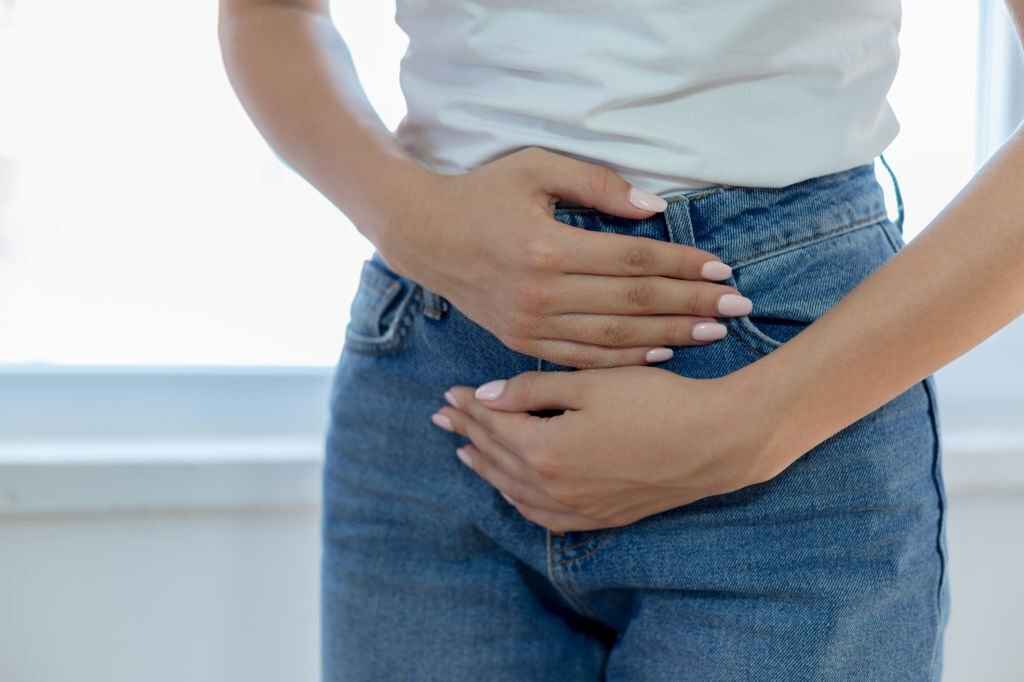
If your periods come late, too early, or skip altogether, it’s time to listen to your body. The right care and tests can help you get your cycle back on track.
Irregular periods can be caused by stress, hormonal imbalance, thyroid issues, PCOS, or even lifestyle habits. But with early diagnosis and a few natural remedies, you can regain control of your menstrual health.
This article covers the symptoms, blood tests, medical treatments, and natural remedies for irregular periods so that you can feel balanced again.
What are the Symptoms of Irregular Periods?
Your menstrual cycle is considered irregular when the time between two periods keeps changing, or your flow and duration vary significantly. Common symptoms of irregular periods include:
- Periods occurring every 21 days or less
- Periods delayed by more than 35 days
- Skipping 3-4 menstrual cycles in a row
- Experiencing excessive bleeding during periods
- Bleeding lasting for more than 7 days
- Cramping, nausea, vomiting, or fatigue during menstruation
- Spotting or bleeding between periods, after menopause, or following sexual intercourse
If you notice these signs frequently, it’s best to consult a doctor and get evaluated for a hormonal imbalance or other underlying causes.
Blood Tests for Late Periods
When you visit your doctor for irregular periods, they may recommend a series of blood tests to identify the root cause of the hormonal imbalance. These tests help evaluate the levels of various hormones that play a crucial role in regulating the menstrual cycle.
Common blood tests for irregular periods include:
- Thyroid-Stimulating Hormone (TSH) Test: This test helps detect thyroid imbalances that can lead to menstrual irregularities.
- Prolactin Test: It measures prolactin levels. The elevated levels can interfere with ovulation and cause missed or irregular periods.
- Follicle-Stimulating Hormone (FSH) Test: This test assesses ovarian function and helps identify fertility-related issues.
- Luteinizing Hormone (LH) Test: LH test monitors ovulation patterns and aids in diagnosing conditions like PCOS.
- Testosterone Test: It detects high androgen levels, which can result in irregular or absent menstrual cycles.
- 17-Hydroxyprogesterone Test: It helps identify adrenal gland disorders affecting hormone balance.
- Dehydroepiandrosterone (DHEA) Test: It assesses adrenal gland function and androgen production.
- Estrogen and Progesterone Tests: Measure essential reproductive hormones responsible for maintaining a healthy menstrual cycle.
Apart from the blood test, your doctor might also recommend a pregnancy test, a 24-hour urine test (for detecting the level of free cortisol), a pap smear, and a pelvic ultrasound to you.
These diagnostic tests, along with imaging and physical exams, help doctors identify the exact reason for irregular periods.
What to do for Late Periods: Irregular Periods Treatment
If you notice irregularity in your menstrual cycle, consult a doctor. Based on the cause, your doctor may suggest medicines, hormone therapy, or simple lifestyle changes to help regulate your periods.
Medical Treatments for Irregular Periods
- Hormone therapy: Helps balance hormone levels and restore a normal menstrual cycle.
- Medicines: Used to treat conditions like PCOD or thyroid disorders, causing irregular periods.
- Surgery: Recommended in severe cases where uterine or fallopian tube issues cause irregularity.
Natural Remedies & Lifestyle Tips
- Exercise & Yoga: Regular yoga or physical activity can balance hormones and ease menstrual pain.
- Maintain a healthy weight: Being overweight or underweight can disturb your cycle, so keep your weight in check.
- Ginger: Helps reduce menstrual pain and irregular flow.
- Cinnamon: Supports regular cycles, especially in PCOS, and relieves cramps and nausea.
- Vitamins (B & D): Aids hormone regulation and relieves premenstrual symptoms.
- Apple cider vinegar: May help restore ovulation and improve menstrual regularity.
- Pineapple: Contains bromelain, which supports uterine health and reduces cramps.
Takeaway
Irregular periods are common, but they don’t have to disrupt your life. With timely tests, medical guidance, and simple lifestyle changes, you can bring your cycle back on track naturally.
If your periods have been unpredictable lately, don’t ignore the signs. Talk to your doctor and book a hormonal profile or thyroid test with Redcliffe Labs today, from the comfort of your home, with free sample collection and doctor-reviewed reports.
Frequently Asked Questions (FAQs)
1. How much delay in periods is considered normal?
On average, the gap between two successive periods can be 24 to 38 days long. The periods are considered to be late if they occur more than 38 days after the previous one.
2. How can I get my blood tests for abnormal periods done?
You can easily get your blood tests for period irregularity done from Redcliffe Labs. You can book your test by either calling our help centre or by booking it online through our official website. You are not required to visit the laboratory for sample collection; we will send our well-trained phlebotomist absolutely free of cost to collect your blood sample.
3. What can be the causes for missing periods?
One of the major reasons for missing periods is getting pregnant. Apart from pregnancy, other factors that can contribute to period irregularity include side effects of certain medicines, hormonal imbalance, pelvic inflammatory disease (PID), endometriosis, benign growth, anovulation, or adenomyosis.
Leave a comment
1 Comments
maglie ncaa basketball
Mar 27, 2023 at 8:49 AM.
This post was truly remarkable, especially because I was looking for thoughts on this issue last Thursday.