How to Read a Blood Test: Complete Guide to Understanding Your Lab Results

Medically Reviewed By
Dr. Mayanka Lodha Seth
Written By Kirti Saxena
on Feb 10, 2026
Last Edit Made By Kirti Saxena
on Feb 10, 2026

Have you ever opened a blood test report and felt instantly confused?
There are numbers, abbreviations, flags marked H and L, and reference ranges that make you wonder: Is something wrong with me? Should you worry? Should you Google it? Or should you wait until your doctor explains it days later?
In this case, you're not alone?
For most people, reading a blood test report feels overwhelming. The page is filled with lots of abbreviations, reference ranges, and medical terms that raise more questions than they answer. One value slightly outside the normal range may trigger anxiety, while a "normal" report may create false reassurance. This is why you need a proper explanation to understand your blood test reports.
When you understand your report, you stop guessing. You ask better questions, avoid unnecessary panic, and take a more active approach to your health.
At Redcliffe Labs, transparency is as important as accuracy. In this article, we will step through how to interpret a blood test, recognize normal and abnormal values, and understand how doctors interpret results.
What Is a Blood Test?
A blood test examines components of your blood to assess health, screen for disease, confirm diagnoses, and monitor treatment. Healthcare providers order blood tests during routine checkups, when symptoms appear, and while managing chronic conditions.
Common reasons doctors order blood tests:
- Detect diseases early- To identify changes in blood components before symptoms become noticeable.
- Confirm or rule out diagnoses- When symptoms are unclear or overlap with multiple conditions.
- Monitor chronic conditions- To diagnose conditions such as diabetes, thyroid disorders, kidney disease, or heart disease over time.
- Evaluate how well treatments work- To track improvement or progression after medication or therapy.
- Check organ function: assess the proper functioning of organs such as the liver, kidneys, and bone marrow to ensure they are working properly.
- Assess nutritional status- To measure levels of iron, vitamins, and minerals.
- Identify infections or inflammation by analyzing white blood cells and inflammatory markers.
- Preventive health check-up- As a part of a routine health checkup to reduce future health risks.
What is a blood test report?
After you get your blood test done, the lab will provide you with a blood test report.
A blood test report is a document your lab will provide that shows your health status based on the results (reference range).
Anatomy of a Blood Test Report: Section by Section
1) Test Name
Test names tell you exactly what the laboratory measured. Each name refers to a specific component of your blood, such as glucose, hemoglobin, or cholesterol.
2) Patient Information
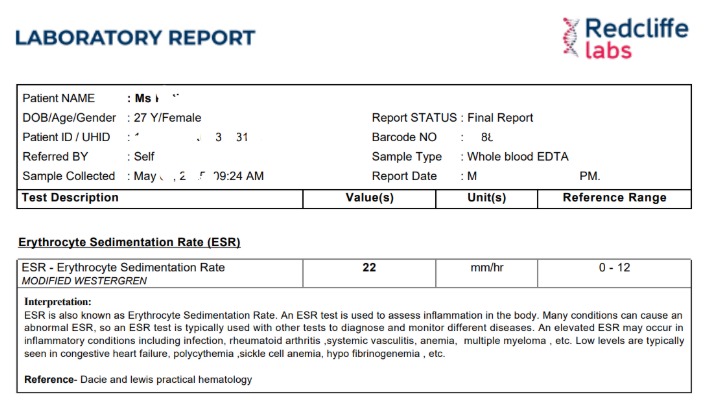
This section has the patient information, including Patient name, gender, age, sex, patient ID, sample collection date, report date, Barcode number, report status, and sample type.
3) Result Value
Result values are the actual numbers of each test. These values reflect what the lab found in your blood sample.
4) Reference Range
Reference ranges for blood tests are the high and low values observed in healthy people. Doctors compare these values with your results to determine whether they are normal, low, or high.
5) Flags or Indicators
Flags or indicators highlight results that fall outside the reference range. Labs usually highlight or mark these values to draw attention. A highlighted result signals that the parameter may need medical review.
6) Notes or Comments
The smart health report would also include references, comments, and notes, with interpretive notes to help readers understand the report.
Important Note: "Normal" does not always mean "perfect health," and "abnormal" does not equal diagnosis.
What is a Reference Range in a blood test?
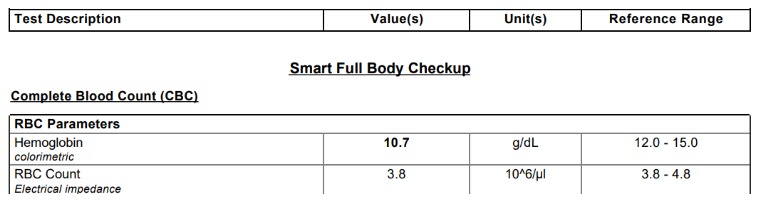
A reference range, sometimes called "normal values," is the range of numbers that indicates whether a blood test result falls within healthy limits. It shows the upper and lower values seen in large groups of healthy people.
For example, if your CBC test shows a hemoglobin value of 10.7, the reference range on your lab report helps explain what that number means and whether it is meant for healthy individuals.
Why "Normal" Can Be Misleading?
A reference range represents an average value, not a strict rule. Doctors interpret results carefully because:
Results outside the reference range do not always signal disease. Healthy people can occasionally have values slightly above or below the listed range.
Results within the normal range do not always guarantee good health. Some people with medical conditions still show "normal" results, especially in early stages.
Doctors review results in context, considering symptoms, medical history, medications, and lifestyle before concluding.
Why Reference Ranges Differ Between Labs?
Laboratories use different testing methods and equipment. As a result, each lab sets its own reference ranges. You must compare your result only with the range listed on your specific lab report.
What do negative, positive, and inconclusive results mean?
Some laboratory tests check whether a specific substance, germ, type of cell, or gene is present in your blood or other samples. Your test report may describe the result using terms like negative, positive, or inconclusive. Let’s understand these terms in detail to avoid any confusion.
Negative or Normal Result
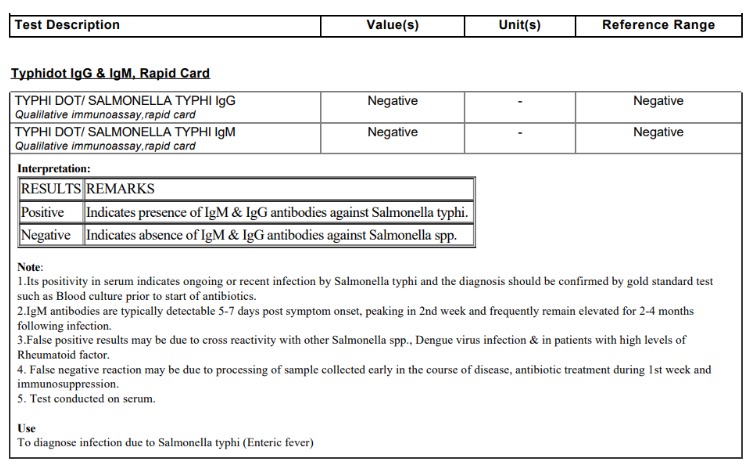
A negative or normal result indicates the test did not detect the target. This usually indicates that you are unlikely to have the condition being tested.
However, doctors may still recommend further testing if symptoms continue, if exposure occurred recently, or if the test was done very early in the disease process.
Positive or Abnormal Result
A positive or abnormal result indicates that the test detected the substance, germ, gene, or abnormal cells it was designed to detect. This suggests that you may have the condition or infection under investigation.
In some cases, doctors may recommend additional tests to confirm the diagnosis and determine the appropriate treatment.
Inconclusive or Uncertain Result
An inconclusive or uncertain result means the test did not clearly show a positive or negative outcome. This can occur due to limited sample size, technical factors, early-stage disease, or borderline values.
Doctors usually repeat the test or recommend a different test to reach a clear conclusion.
What Are False Positive and False Negative Results?
Most lab tests provide reliable information, but no medical test is perfectly accurate. Therefore, some labs may show false positive results and false negative results. Let’s understand what are these term mean to your report-
False Positive Result
A false positive result means the test indicates that you have a disease or condition when you actually do not. This can cause unnecessary worry and may lead doctors to order confirmatory tests to clarify the finding.
False Negative Result
A false negative result means the test suggests you do not have a disease or condition when you actually do.
Why False Results Happen
False results are rare but more common with certain tests, early-stage disease, improper sample collection, or technical limitations. Your doctor may advise you to repeat the test if the results do not align with your symptoms.
Read more- Blood Test at Home to Keep Yourself Healthy - Redcliffe Labs.
Common Abbreviations in Blood Tests
Complete Blood Count (CBC)
- WBC- White Blood Cells
- RBC- Red Blood Cells
- Hb or HGB- Hemoglobin
- Hct- Hematocrit
- MCV- Mean Corpuscular Volume
- MCH- Mean Corpuscular Hemoglobin
- MCHC- Mean Corpuscular Hemoglobin Concentration
Metabolic Panels (BMP / CMP)
- BUN- Blood Urea Nitrogen
- ALT & AST- Alanine Aminotransferase and Aspartate Aminotransferase
- ALP- Alkaline Phosphatase
Lipid Profile
These terms relate to heart and cholesterol health:
- TC- Total Cholesterol
- LDL- Low-Density Lipoprotein
- HDL- High-Density Lipoprotein
Blood Sugar and Diabetes Tests
- FBS- Fasting Blood Sugar
- PPBS- Postprandial Blood Sugar
- HbA1c- Glycated Hemoglobin
Common Units Used in Blood Test Reports
Laboratories use specific units to express results.
- mg/dL- milligrams per deciliter
- mmol/L- millimoles per liter
- g/dL- grams per deciliter
- µg/dL- micrograms per deciliter
- pg/mL- picograms per milliliter
- U/L- units per liter
Blood Test Normal Values Chart
|
Test Name |
Normal Reference Range | |
|
CBC |
Hemoglobin (Hb) |
12.0 – 15.0 g/dL |
|
RBC Count |
3.8 – 4.8 million/µL | |
|
Hematocrit (PCV) |
36 – 46 % | |
|
MCV |
83 – 101 fL | |
|
MCH |
27 – 32 pg | |
|
MCHC |
31.5 – 34.5 g/dL | |
|
RDW-CV |
11.6 – 14.0 % | |
|
Total WBC (TLC) |
4,000 – 10,000 /µL | |
|
Neutrophils |
40 – 80 % | |
|
Lymphocytes |
20 – 40 % | |
|
Monocytes |
2 – 10 % | |
|
Eosinophils |
1 – 6 % | |
|
Basophils |
< 2 % | |
|
Platelet Count |
150,000 – 410,000 /µL | |
|
MPV |
9.3 – 12.1 fL | |
|
ESR |
ESR (Westergren) |
0 – 12 mm/hr |
|
Blood Sugar |
Fasting Glucose |
70 – 99 mg/dL |
|
Impaired Fasting |
100 – 125 mg/dL | |
|
Diabetes (Fasting) |
≥ 126 mg/dL | |
|
Thyroid |
T3 |
70 – 204 ng/dL |
|
T4 |
5.0 – 12.5 µg/dL | |
|
TSH |
0.54 – 5.30 mIU/L | |
|
LFT |
Total Bilirubin |
0.2 – 1.2 mg/dL |
|
Direct Bilirubin |
0.0 – 0.5 mg/dL | |
|
AST (SGOT) |
5 – 34 U/L | |
|
ALT (SGPT) |
0 – 55 U/L | |
|
ALP |
40 – 150 U/L | |
|
Total Protein |
6.4 – 8.3 g/dL | |
|
Albumin |
3.8 – 5.0 g/dL | |
|
Globulin |
2.3 – 3.5 g/dL | |
|
A/G Ratio |
1.0 – 2.1 | |
|
GGT |
12 – 64 U/L | |
|
KFT |
Blood Urea |
19 – 44.1 mg/dL |
|
BUN |
7.0 – 18.7 mg/dL | |
|
Creatinine |
0.72 – 1.25 mg/dL | |
|
eGFR |
≥ 90 ml/min/1.73 m² | |
|
Uric Acid |
2.6 – 6.0 mg/dL | |
|
Sodium |
136 – 145 mmol/L | |
|
Potassium |
3.5 – 5.1 mmol/L | |
|
Chloride |
98 – 107 mmol/L | |
|
Calcium |
8.4 – 10.2 mg/dL | |
|
Phosphorus |
2.3 – 4.7 mg/dL | |
|
Lipid Profile |
Total Cholesterol |
< 200 mg/dL |
|
Triglycerides |
< 150 mg/dL | |
|
HDL |
> 40 mg/dL | |
|
LDL |
< 100 mg/dL | |
|
VLDL |
< 30 mg/dL | |
|
Non-HDL Cholesterol |
< 130 mg/dL | |
|
TC / HDL Ratio |
3.5 – 5.0 | |
|
Iron / Anemia |
Hemoglobin (Female) |
12.0 – 15.0 g/dL |
How to Prepare for a Blood Test?
Follow these simple steps to prepare for your blood test.
- Follow fasting instructions carefully if your test requires it. Fasting usually means avoiding food and drinks except water for 8-12 hours, especially for glucose and lipid tests.
- Drink enough water unless your doctor advises otherwise. Good hydration makes blood collection easier and supports accurate results.
- Inform your doctor about any medications or supplements you take, as some can affect test results.
- Avoid heavy exercise before the test, as intense activity can temporarily alter certain blood markers.
- Limit alcohol intake for at least 24 hours before testing, as alcohol can influence liver enzymes and other results.
- Get adequate rest and manage stress, because illness, lack of sleep, or stress can affect blood test readings.
- Wear comfortable clothing with easy arm access to make sample collection smoother.
- Always follow the instructions provided by your healthcare provider.
What Affects Blood Test Results?
Blood test results can change due to many everyday factors. Therefore, it is important to understand these factors to avoid unnecessary worry and ensure your doctor interprets results correctly.
- Diet- What you eat can affect values such as blood sugar, cholesterol, and triglycerides, especially if fasting instructions were not followed.
- Hydration levels: Dehydration may affect blood concentrations and may falsely elevate certain results.
- Physical activity- If you had a blood test after exercise, it may increase certain values, like muscle enzymes, glucose, and hormone levels.
- Stress and lack of sleep- If you are not sleeping well or struggling with stress, it may trigger hormonal responses that may alter blood sugar, cortisol, and inflammatory markers.
- Medications and supplements- Taking any medications or supplements before the blood test may raise or lower specific values, including liver enzymes, thyroid hormones, and clotting factors.
- Recent illness or infection- If you have a fever or any other health condition, it may affect white blood cell counts and inflammatory markers.
- Timing of the test- For some tests, timing is important because some hormones and chemicals follow daily rhythms.
Doctors always interpret blood test results in the context of your symptoms and medical history.
Also read-Things to Consider Before a Blood Test- Dos and Don'ts
Redcliffe Labs Smart Health Report
If you have any doubts about your results, Redcliffe Labs ensures you're not left interpreting numbers on your own.
With every Smart Health Report, we provide a detailed health summary and health advisory to help you understand and interpret your results. The health advisory explains each test in your report, what the condition relates to, and how your current values reflect your present health status. The health advisory highlights what abnormal results may indicate and offers practical diet and lifestyle guidance to help you improve or maintain your health.
In addition, with every smart blood test report, we offer a free consultation with a qualified doctor. You can request a callback, and our doctor will personally reach out to explain your results in simple, easy-to-understand language. They will help you understand what your numbers mean, whether any values need attention, and what steps you can take next.
Knowledge Turns Numbers into Insight
Now that you understand how to read a blood test report, those numbers no longer need to feel confusing. The next time you receive your results, you can look beyond the figures and understand what they truly mean for your health.
At Redcliffe Labs, accurate testing and transparent reporting work together so every patient receives information they can trust, understand, and act upon. Ready to take the next step? Book your blood test today!
FAQ's
How to read a full blood test result?
To read a blood test report, check the reference ranges. If your numbers fall within the reference range, your blood test report is "Normal"; if they fall outside the reference range, your blood test report is "Abnormal". Always consult your doctor to understand your blood test report.
What are normal readings for blood tests?
The normal ranges for blood tests vary by test type, including CBC, fasting glucose, and others. To check your blood test results, look for the reference range shown in the report.
What are PCV, MCV, MCH, and MCHC in blood?
PCV, MCV, MCH, and MCHC are key, interrelated blood parameters measured in a Complete Blood Count (CBC) to diagnose and classify anemias by evaluating red blood cell volume, concentration, and hemoglobin content.
How do I read my blood type results?
The report would indicate the specific blood type (A, B, AB, or O) and Rh status (±). For example, if your blood group is A and the Rh factor is positive, your blood type is A+.
Is fasting always required?
No, fasting is not required for all blood tests. Fasting is necessary for glucose and lipid panels.
What is the normal range for blood test results?
Normal ranges for blood tests vary by test, age, sex, and laboratory method. Always use the reference range listed on your report.