HbA1c Test: Normal Ranges, Levels, Price & Results Explained

Overview
- The HbA1c test estimates your average blood sugar over the past 2–3 months.
- For non-pregnant adults, below 5.7% is generally normal, 5.7%–6.4% is the prediabetes range, and 6.5% or higher is the diabetes range.
- You usually do not need to fast for an HbA1c test.
- Diagnostic ranges differ from treatment targets for people who already have diabetes.
- Anemia, blood loss and certain kidney, liver or hemoglobin conditions can affect the result.
What does your HbA1c result actually mean? Whether you are checking your diabetes risk or monitoring an existing diagnosis, understanding this number can help you discuss the next steps with your doctor.
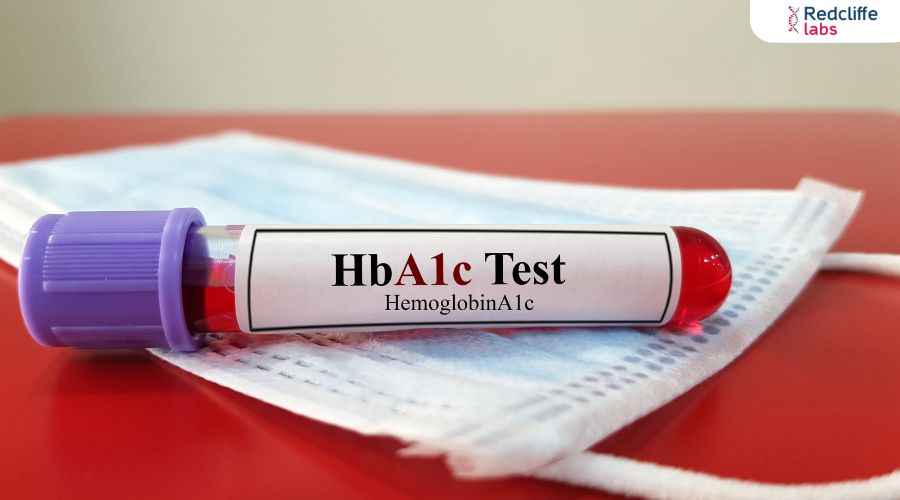
The HbA1c test, also called the hemoglobin A1c or glycated hemoglobin test, shows your average blood glucose over the past 2–3 months. Doctors use it to help diagnose prediabetes and type 2 diabetes and monitor blood sugar control in people who already have diabetes.
What Is an HbA1c Test?
HbA1c stands for hemoglobin A1c. Hemoglobin is a protein in red blood cells that carries oxygen around the body. When glucose in your blood attaches to hemoglobin, it forms glycated hemoglobin, also called HbA1c.
The HbA1c test measures the percentage of hemoglobin with glucose attached. Because red blood cells typically live for about 120 days, the result estimates average blood sugar over roughly the previous 2–3 months, with recent weeks having more influence.
Unlike a fasting or random blood glucose test, which measures blood sugar at one particular time, HbA1c provides a longer-term picture. HbA1c does not regulate blood sugar, and taking the test alone does not prevent diabetes.
What Is the Normal HbA1c Range?
For non-pregnant adults, the following HbA1c ranges are commonly used for diagnosis:
| HbA1c Result | What It Usually Means |
|---|---|
| Below 5.7% | Normal range |
| 5.7%–6.4% | Prediabetes range |
| 6.5% or higher | Diabetes range |
A result in the diabetes range generally needs confirmation with repeat HbA1c or another diagnostic blood glucose test unless there is unequivocal hyperglycemia. Your doctor will interpret your result alongside your symptoms and medical history.
Diagnostic Ranges Versus Diabetes Treatment Targets
These diagnostic ranges are different from treatment targets for someone who already has diabetes. For many non-pregnant adults with diabetes, an HbA1c goal below 7% is appropriate.
Your individual target may vary depending on your age, other health conditions, medicines and risk of low blood sugar. An HbA1c above 5.7% does not automatically mean that your diabetes treatment is failing.
What Does Your HbA1c Result Mean?
Your HbA1c result provides an overall picture of your average blood sugar. Here are some examples:
- HbA1c of 5.4%: Below the usual prediabetes cutoff.
- HbA1c of 6.0%: Within the prediabetes range. Discuss ways to reduce your risk of developing type 2 diabetes with your doctor.
- HbA1c of 6.5% or higher: Within the diabetes range. Your doctor will assess whether confirmatory testing is needed.
If you already have diabetes, compare your result with the target agreed with your doctor. HbA1c is an average, so it may not reveal individual episodes of high or low blood sugar.
Why Might a Doctor Recommend an HbA1c Test?
A doctor may recommend an HbA1c test to:
- Screen for prediabetes or type 2 diabetes.
- Help diagnose type 2 diabetes.
- Monitor blood sugar control if you already have diabetes.
- Check whether your current diabetes management plan is working.
- Assess diabetes risk associated with overweight, a family history of diabetes, high blood pressure or low physical activity.
At What Age Should You Check HbA1c?
The American Diabetes Association recommends routine screening from age 35 for adults without other indications for earlier testing. Earlier screening may be appropriate for adults with overweight or obesity and additional risk factors.
These risk factors may include a family history of type 2 diabetes, high blood pressure, low physical activity or a history of gestational diabetes. Symptoms may require testing at any age.
Your doctor can recommend the most appropriate test and screening schedule for your circumstances.
Symptoms That May Lead to Diabetes Testing
HbA1c itself does not cause symptoms. However, high blood sugar may cause symptoms that lead a doctor to recommend testing, including:
- Excessive thirst.
- Frequent urination.
- Unusual tiredness or weakness.
- Blurred vision.
- Unexplained weight loss.
- Increased hunger.
- Frequent infections.
- Wounds that heal slowly.
These symptoms can have other causes, and some people with prediabetes or type 2 diabetes have no noticeable symptoms. Consult a doctor rather than relying on symptoms alone.
Also read: Recognizing Symptoms for HbA1c Testing: When to Check Your Blood Sugar Levels
Do You Need to Fast for an HbA1c Test?
No fasting is usually needed for an HbA1c test on its own. You can generally eat and drink as usual before giving your blood sample.
If your doctor has ordered other blood tests at the same appointment, those tests may have different preparation requirements. Follow the instructions provided by your doctor or laboratory.
Do not stop or change prescribed medicines unless your doctor advises you to.
What Happens During an HbA1c Test?
A trained phlebotomist collects a small blood sample, usually from a vein in your arm. The sample is sent to a laboratory for analysis, and your HbA1c result is reported as a percentage.
You may feel a brief prick or mild discomfort during collection. Minor bruising can occur, and some people feel temporarily lightheaded.
Redcliffe Labs offers home sample collection in eligible locations. Check availability and reporting time for your area when booking.
Also read: Procedure for HbA1c Test: A Step-by-Step Guide for Patients
What Can Affect an HbA1c Result?

HbA1c is useful, but certain conditions can make the result less reliable. Conditions that change red blood cell lifespan or interfere with hemoglobin measurement include:
- Some forms of anemia, including iron-deficiency anemia.
- Recent significant blood loss.
- Recent blood transfusion.
- Kidney failure, dialysis or certain treatments affecting red blood cells.
- Liver disease.
- Certain hemoglobin variants or blood disorders.
- Pregnancy, particularly when interpreting results later in pregnancy.
Tell your doctor about these conditions before interpreting your result. If your HbA1c does not match your blood glucose readings or symptoms, your doctor may investigate the difference or recommend another test.
HbA1c is not the standard test for diagnosing gestational diabetes.
Does HbA1c Increase With Age?
HbA1c may vary with age, but a higher result should not automatically be considered normal because someone is older. There is no standard age-based diagnostic chart that replaces the usual prediabetes and diabetes cutoffs.
Age can influence an individual's diabetes treatment target, especially when other health conditions or a risk of low blood sugar are present. This is different from changing the diagnostic range.
How Can You Lower HbA1c?
If your HbA1c is above your personal target, work with your healthcare professional on a plan to improve blood sugar control. Helpful steps may include:
- Stay physically active: Choose regular walking, cycling, swimming or another activity suitable for your health.
- Choose balanced meals: Include vegetables, high-fiber foods and protein, with suitable portions of carbohydrate-rich foods.
- Manage your weight: If you have overweight, sustainable weight loss may help improve blood sugar control.
- Take prescribed medicines: Follow your treatment plan and discuss side effects or difficulties with your doctor.
- Monitor blood glucose when advised: This can help identify patterns that HbA1c alone may miss.
- Repeat testing as recommended: Review follow-up results with your doctor to assess progress.
There is no single food, drink or home remedy that replaces diabetes treatment. Improvements in HbA1c usually reflect changes sustained over weeks to months.
Also read: Importance and Significance of HbA1c Testing in Diagnosis and Monitoring
How Often Should You Have an HbA1c Test?
Many people with diabetes have HbA1c checked about every 3 months when treatment changes or blood sugar is outside their target. If their blood sugar is stable and within target, testing twice a year may be sufficient.
For people without diabetes, screening intervals depend on their previous results and risk factors. Follow the schedule recommended by your doctor.
HbA1c Test Price in India
The indicative HbA1c test price range is ₹299–₹449 for this booking guide. The final price may vary depending on your city, location and current offers.
Before booking, confirm the payable amount, any sample collection charges and the expected reporting time.
You can book an HbA1c test with Redcliffe Labs and check home sample collection availability for your location.
When Should You Talk to a Doctor About Your HbA1c Result?
Discuss your result with a doctor if:
- Your HbA1c falls in the prediabetes or diabetes range.
- Your result is outside the treatment target set for you.
- Your HbA1c is unexpectedly high or low.
- Your result does not match your blood glucose readings.
- You have symptoms of high blood sugar, even with a recent normal HbA1c.
Do not interpret one number in isolation. Your doctor will consider your symptoms, medicines, medical history and other test results before recommending further tests or treatment changes.
Key Takeaways
The HbA1c test estimates your average blood sugar over the past 2–3 months. For non-pregnant adults, below 5.7% is generally normal, 5.7%–6.4% is the prediabetes range, and 6.5% or higher is the diabetes range.
People already living with diabetes need an individualized treatment target. HbA1c testing usually does not require fasting, but certain medical conditions can affect the result.
If your doctor recommends testing, check the current HbA1c test price and book with Redcliffe Labs. Confirm the final price and home sample collection availability for your location.
Frequently Asked Questions
1. What does HbA1c measure?
HbA1c measures the percentage of hemoglobin with glucose attached and estimates average blood sugar over approximately the previous 2–3 months.
2. Is an HbA1c of 6.5% normal?
For diagnosis, 6.5% falls in the diabetes range. A doctor will assess whether the result needs confirmation. For someone already receiving diabetes treatment, interpretation depends on their personal target.
3. Does HbA1c increase with age?
HbA1c may vary with age, but a higher result is not automatically normal in an older person. Age may influence treatment goals, while the usual diagnostic cutoffs remain the same.
4. Is fasting required for an HbA1c test?
Usually, no. However, other blood tests ordered at the same appointment may require fasting.
5. Can HbA1c results be inaccurate?
Yes. Some anemias, blood loss, transfusions, kidney or liver conditions and hemoglobin variants can affect results. Discuss unexpected findings with your doctor.
6. What is the HbA1c test price?
The indicative price range used in this guide is ₹299–₹449. Check the latest price, applicable offers and sample collection charges for your location before booking.
7. Where can I book an HbA1c test online?
You can book an HbA1c test online with Redcliffe Labs. Home sample collection is available in eligible locations.
8. Are there any risks to the HbA1c test?
The test requires a small blood sample. You may experience a brief prick, mild discomfort or minor bruising where the needle is inserted. Some people feel temporarily dizzy or lightheaded.
9. Can HbA1c diagnose gestational diabetes?
HbA1c is not the standard test for diagnosing gestational diabetes. Your doctor will recommend appropriate pregnancy screening, usually involving glucose-based tests.
Leave a comment
5 Comments
Maha Lakshmi
May 5, 2026 at 3:06 PM.
Good information
Myhealth
May 6, 2026 at 7:46 AM.
We are very glad you have liked the information.
Basava
Jan 27, 2025 at 9:10 AM.
ನನ್ನ ವಯಸ್ಸು 37.5HbA1c 5.5% ಇದೆ
Myhealth Team
Jan 28, 2025 at 5:58 PM.
ನಿಮ್ಮ HbA1c ಮಟ್ಟ 5.5% ಸಾಮಾನ್ಯ ವ್ಯಾಪ್ತಿಯಲ್ಲಿದೆ (ಸಾಮಾನ್ಯವಾಗಿ 4% ರಿಂದ 5.6%). ಇದು ನಿಮ್ಮ ರಕ್ತದ ಸಕ್ಕರೆ ನಿಯಂತ್ರಣ ಉತ್ತಮವಾಗಿದೆ ಎಂದು ಸೂಚಿಸುತ್ತದೆ. ಆರೋಗ್ಯಕರ ಆಹಾರ ಮತ್ತು ನಿಯಮಿತ ವ್ಯಾಯಾಮವನ್ನು ಮುಂದುವರಿಸಿ. ಯಾವುದೇ ಪ್ರಶ್ನೆಗಳಿದ್ದರೆ, ವೈದ್ಯರನ್ನು ಸಂಪರ್ಕಿಸಿ. ಆರೋಗ್ಯವಾಗಿರಿ!
Iqbal
Dec 14, 2024 at 6:56 AM.
If person age is 34 and blood sugar HbA1c test is 6.6 ?
Myhealth Team
Dec 17, 2024 at 1:07 PM.
An HbA1c level of 6.6% indicates pre-diabetes, which means the person's blood sugar is higher than normal but not yet in the diabetic range (usually 6.5% or higher). At this stage, lifestyle changes such as a healthier diet, regular exercise, and weight management can help prevent the progression to diabetes. It's important to consult a doctor for a proper evaluation and personalized recommendations.
Jawahar Lal
Nov 27, 2024 at 12:40 PM.
I am 76 years male having hba1c 5.7. Am I a prediabate?
Myhealth Team
Nov 27, 2024 at 6:01 PM.
Yes, an HbA1c of 5.7% indicates prediabetes. It's important to monitor your blood sugar and make lifestyle changes like a healthy diet and exercise to prevent diabetes.
Sonja Vallotton-Plüss
Nov 25, 2024 at 7:44 PM.
I am 69 years old and female My test result of Specimen type HBA1C is 6.00 My lab flags this as HIGH. Yet you write this result is OK for older people. Is this really OK?
Myhealth Team
Nov 25, 2024 at 7:02 AM.
An HbA1c of 6.0% is in the prediabetes range, indicating an increased risk of diabetes. While it's not immediately high, it’s important to monitor regularly, especially for older adults. Consult your healthcare provider for personalized advice and potential lifestyle changes.