Food Intolerance Symptoms: Signs, Causes, and When to Get Tested

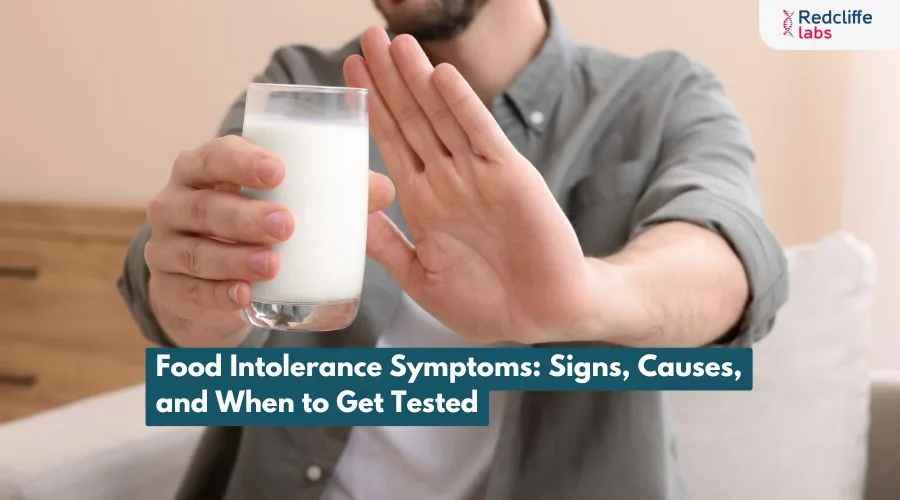
Have you ever felt that you ate your favorite meal and suddenly you feel bloated, pain in the stomach, diarrhea? If so, it might mean you are intolerant to that food. Food intolerance is when you have difficulty digesting certain foods or ingredients. Usually, it is not serious, but eating the food you're intolerant to can make you feel uncomfortable.
The good news is that you can manage food intolerance better once you identify the foods that trigger your symptoms. A food intolerance test can help you understand the cause and identify which foods make you uncomfortable. In this guide, let's understand what food intolerance is, what causes it, its symptoms, and how to avoid reactions.
What is Food Intolerance?
Food intolerance means your body has difficulty digesting or processing certain foods, ingredients, or food additives. It usually does not involve a dangerous immune reaction, but it can still cause uncomfortable symptoms that affect your daily life.
For example, some people who are lactose intolerant may feel bloated, gassy, or have diarrhea after consuming milk, cheese, ice cream, or other dairy products.
Food intolerance can occur due to different reasons, such as:
- Low levels of digestive enzymes
- Sensitivity to food additives
- Reaction to naturally present food chemicals
- Poor gut health
- Irritable bowel syndrome
- Digestive infections or gut inflammation
- Excess intake of certain foods
Unlike a food allergy, food intolerance may depend on the quantity of food you eat. Some people can tolerate a small amount of a trigger food but develop symptoms after eating a larger portion.
Food Intolerance Symptoms in Adults
Food intolerance symptoms in adults often appear a few hours after eating the trigger food. In some cases, symptoms may appear the next day, making it harder to connect them to a specific meal. Symptoms can vary from person to person.
1. Digestive Symptoms
Digestive discomfort is the most common sign of food intolerance. People may notice:
- Diarrhea
- Constipation
- Nausea
- Vomiting
- Bloating
- Gas
- Stomach cramps
- Abdominal pain
- Acidity or heaviness
- Uncomfortable fullness after meals
2. Skin-Related Symptoms
Usually, food intolerance affects digestion, but in some people, it may also cause skin changes. These may include:
- Itching
- Rashes
- Acne flare-ups
- Redness
- Eczema-like irritation
3. Headache, Brain Fog, and Fatigue
Some people feel tired, dull, or mentally slow after eating certain foods. Possible symptoms include:
- Headache
- Migraine-like pain
- Brain fog
- Poor concentration
- Low energy
- Irritability
- Mood changes
4. Respiratory-Like Symptoms
Some people notice nasal or sinus symptoms after eating certain foods. These may include:
- Stuffy nose
- Runny nose
- Sneezing
- Sinus discomfort
- Throat irritation
These symptoms can also occur due to allergies, infections, pollution, or seasonal changes.
Read more: Food Intolerance and PCOS: Is There a Connection?
Food Intolerance Symptoms Chart
Here is a simple food intolerance symptoms chart to help you understand common patterns.
| Symptom Area | Common Symptoms | Possible Food Triggers |
| Stomach & digestion | Bloating, gas, cramps, diarrhea, constipation | Dairy, gluten-containing foods, beans, processed foods, and artificial sweeteners |
| Head & energy | Headache, fatigue, brain fog | Caffeine, alcohol, processed foods, additives, and certain packaged foods |
| Skin | Itching, rash, acne flare-ups | Dairy, processed foods, additives, and certain individual triggers |
| Nose & throat | Congestion, runny nose, sinus discomfort | Certain food chemicals, additives, and individual triggers |
| Overall health | Low energy, mood changes, poor sleep | High-sugar foods, processed foods, caffeine, and trigger foods |
Food Intolerance vs Food Allergy: Know the Difference
Many people confuse food intolerance with food allergy because both can cause discomfort after eating. However, they work differently.
| Food Intolerance | Food Allergy |
| Usually affects digestion | Involves the immune system |
| Symptoms often appear gradually | Symptoms may appear quickly |
| Usually not life-threatening | It can sometimes become serious or life-threatening |
| May depend on food quantity | Even a small amount can trigger a reaction |
| Common symptoms include bloating, gas, cramps, diarrhea | Common symptoms include hives, swelling, wheezing, and breathing difficulty |
Seek medical attention if you develop breathing difficulty, swelling of the face or throat, fainting, severe weakness, or a sudden rash after eating.
Read more here: Food Allergy - Symptoms, Diagnosis & Treatment.
Most Common Foods That Cause Food Intolerance
Food intolerance triggers differ from person to person. A food that causes bloating in one person may not cause it in another. However, some foods commonly cause symptoms similar to intolerance.
- Dairy Products: After consuming milk, cheese, curd, paneer, butter, cream, and ice cream, some people may trigger symptoms due to lactose intolerance. Common symptoms include bloating, gas, diarrhea, nausea, and abdominal pain.
- Gluten-Containing Foods: Wheat, barley, rye, bread, pasta, biscuits, and many processed foods contain gluten. If you are intolerant to gluten-rich foods, you might feel bloated, tired, or uncomfortable after eating gluten-containing foods. However, symptoms may also indicate celiac disease, wheat allergy, or irritable bowel syndrome.
- Caffeine: Tea, coffee, energy drinks, and some soft drinks contain caffeine. The people who are sensitive to caffeine may experience acidity, loose motions, anxiety, palpitations, headache, or sleep problems.
- Artificial Sweeteners: Some sugar-free foods, chewing gums, diet drinks, and packaged products contain artificial sweeteners. These may cause gas, bloating, or diarrhea in some people.
- Processed and Packaged Foods: In some people, packaged foods like snacks, sauces, ready-to-eat foods, bakery products, and processed meats may cause reactions because they contain preservatives, colors, flavor enhancers, or other additives.
- Beans and High-Fiber Foods: Rajma, chole, lentils, cabbage, onion, garlic, and some fruits may cause gas or bloating in people with sensitive digestion. These foods are healthy, but some people need to practice portion control or use better preparation methods.
- Eggs, Soy, Nuts, and Seafood: Some people report food intolerance symptoms after eating eggs, soy, nuts, or seafood. This might be due to their digestive system not tolerating these foods, which may cause symptoms such as swelling, hives, wheezing, or difficulty breathing. Seek medical help.
Sudden Food Intolerance in Adults: Why Does It Happen?
Many people may suddenly develop food intolerance symptoms even after years of eating the same foods.
Sudden food intolerance in adults may happen due to:
- Gut infection
- Change in gut bacteria
- Stress
- Poor sleep
- New medication
- Digestive disorders
- Hormonal changes
- Increased intake of processed foods
- Reduced digestive enzyme activity
- Irritable bowel syndrome
- Celiac disease or inflammatory gut conditions
If you suddenly develop repeated digestive symptoms, avoid self-diagnosis. Consult a healthcare provider to rule out infection, celiac disease, inflammatory bowel disease, gallbladder problems, pancreatic issues, or other medical conditions.
Food Intolerance Symptoms in Babies
Babies cannot explain discomfort, so parents need to observe symptoms. Food intolerance symptoms in babies may include:
- Excessive crying after feeding
- Gas
- Bloating
- Loose stools
- Constipation
- Vomiting or frequent spit-up
- Skin rashes
- Poor feeding
- Irritability
- Poor weight gain
In babies, symptoms may also result from colic, infection, reflux, milk protein allergy, feeding issues, or other medical conditions. Do not remove milk, formula, or major food groups from a baby's diet without a pediatrician's advice. Babies need balanced nutrition for growth.
How is Food Intolerance Diagnosed?
Food intolerance diagnosis needs careful evaluation. No single method works for everyone. Doctors usually consider your symptoms, medical history, diet pattern, and possible triggers.
- Food Diary: A food diary helps you track what you eat and how your body responds. Write down:
- Meal timing
- Food items
- Portion size
- Symptoms
- Symptom timing
- Stress level
- Sleep quality
- Medicines or supplements
- Elimination Diet: For this method, you need to remove suspected trigger foods for a short period under guidance and then reintroduce them one by one. This will make it easy for you to determine whether a food actually triggers symptoms.
- Food Intolerance Test: A food intolerance test may help assess your body's response to certain foods. At Redcliffe Labs, you can book a food intolerance test and get reports that support better health decisions.
- Rule Out Other Conditions: Food intolerance symptoms can overlap with those of many other health conditions. Your doctor may also check for:
- IBS
- Celiac disease
- Thyroid disorders
- Anemia
- Vitamin deficiencies
- Gut infection
- Liver or pancreatic problems
- Inflammatory bowel disease (IBS)
Also Read: Food Intolerance Test: Purpose, Procedure, and More
Food Intolerance Treatment: How to Manage Symptoms
Food intolerance treatment focuses on identifying triggers, improving digestion, and building a diet that supports your health.
- Identify Your Trigger Foods: Always note which foods make you uncomfortable, and get tested properly to identify the triggers. Once you identify triggers, reduce them or avoid them.
- Control Portions: Some people tolerate small amounts of trigger food. For example, a person with mild lactose intolerance may tolerate a small amount of curd but not a large glass of milk. Portion control can help many people enjoy a wider variety of foods.
- Read Food Labels: Always read the label of packaged foods, as they may contain hidden dairy, wheat, soy, artificial sweeteners, preservatives, or additives.
- Improve Gut Health: A healthy gut may improve digestion and reduce discomfort. Focus on balanced, gut-friendly foods; eat fiber-rich foods; hydrate; get a good night's sleep; manage your stress levels; and include physical activity and fermented foods, if tolerated.
- Avoid Extreme Diets: Many people remove dairy, gluten, sugar, oil, and multiple foods. Do not do this and always consult your doctor.
When Should You Get Tested for Food Intolerance?
Consider testing or a medical consultation if you notice these symptoms:
- Bloating, gas, or stomach cramps that keep coming back
- Frequent diarrhea or constipation
- Fatigue or headache after meals
- Skin flare-ups
- Family history of digestive issues
- Symptoms affecting your daily routine
- Confusion about what to eat
- Sudden weight loss or weakness
You should see a doctor urgently if you notice blood in stool, black stool, severe abdominal pain, unexplained weight loss, persistent vomiting, dehydration, difficulty breathing, swelling, or fainting.
The Quick Overview
Food intolerance can make your meals stressful, especially when symptoms keep changing. But you do not have to keep guessing. Get a food intolerance test from Redcliffe Labs to understand the cause of your symptoms. Testing does not replace medical advice, but it gives you useful information to discuss with your doctor. With the right guidance, you can identify triggers, improve your diet, and better manage your symptoms. Start by listening to your body. Track your symptoms. Notice food patterns. Avoid random long-term restrictions.
FAQs
1. What are the symptoms of food intolerance?
Food intolerance symptoms commonly include bloating, gas, stomach cramps, diarrhea, constipation, nausea, headache, fatigue, brain fog, and discomfort after eating certain foods. Symptoms usually appear a few hours after eating and may depend on the quantity of food consumed.
2. How long do food intolerance symptoms last?
Food intolerance symptoms may last for a few hours to one or two days, depending on the food. If symptoms persist, worsen, or recur, consult a healthcare professional.
3. What foods commonly cause food intolerance?
Common trigger foods include dairy products, processed foods, beans, lentils, certain fruits, gluten-containing foods, caffeine, artificial sweeteners, eggs, soy, nuts, and seafood. However, these triggers may vary from person to person, so tracking symptoms can help identify the exact cause.
4. How to manage food intolerances?
Food intolerance may not always have a permanent cure, but you can manage it well. Identifying trigger foods, controlling portions, improving gut health, and following medical advice can reduce symptoms and improve quality of life.
5. How do you test for food intolerance?
Your doctor may recommend a food intolerance test to help identify the cause of your symptoms. You can book your test with Redcliffe Labs to receive accurate, on-time reports.