Understanding Fever Types and Temperature Patterns

Medically Reviewed By
Dr. Geetanjali Gupta
Written By Anjali Dubey
on May 26, 2026
Last Edit Made By Anjali Dubey
on May 26, 2026
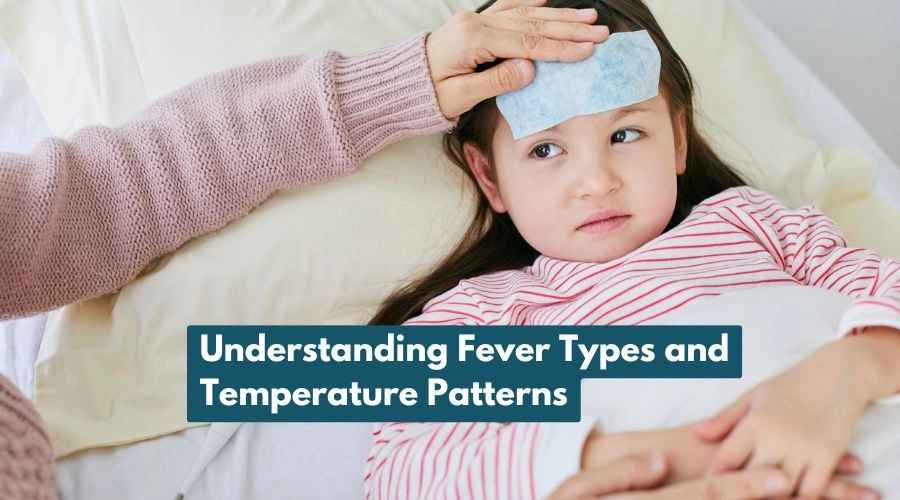
When we are unwell, a fever is a common sign that something is happening in our bodies. It can leave us feeling weak, tired, cold, sweaty, and uncomfortable. But fever is not always harmful. Often, it is the body’s way of fighting infections caused by viruses, bacteria, or other illnesses. Sometimes, a fever gets worse at night, disappears for a while, and then returns. These patterns are meaningful and can offer important clues about a person’s health.
Different types of fever, such as sustained, intermittent, or remittent, behave in different ways and may point to different infections or health issues. Understanding these fever patterns can help you care for yourself and know when to visit a doctor. In this blog, we will cover the main types of fever, their causes, symptoms, and simple ways to manage them at home.
Also Read: 12 Common Types of Fevers- Symptoms & Precautions
What Exactly Is a Fever?
A fever occurs when your body temperature rises above normal, usually because your body is fighting an infection or illness. A small part of the brain called the hypothalamus works like your body’s thermostat and controls your temperature. When bacteria, viruses, or other infections enter your body, your immune system tells the hypothalamus to raise your temperature. This can make you feel hot, cause shivering, and lead to chills as your body adjusts.
Fever helps your body fight illness. Higher temperatures can slow the growth of some viruses and bacteria. It also helps your immune cells work faster and more effectively to protect you and clear the infection. That is why fever is often seen as a natural defense, not a disease itself.
What Are the Common Types of Fever and What Do They Mean?
It is often more useful to watch how a fever changes throughout the day rather than focusing only on the highest temperature. Here are the main patterns:
1. Intermittent Fever
Intermittent fever is when your body temperature rises for a few hours and then returns to normal within the same day. You might feel fine for a while before the fever returns. This pattern often occurs with infections such as malaria or bacterial illnesses. It usually means your body is fighting the infection in cycles. During these times, you may feel chills, weakness, sweating, and body pain. Even if the fever goes away for a short time, the infection may persist. If this pattern continues, it is important to get tested and see a doctor.
2. Remittent Fever
Remittent fever is when you have a fever all day, but the temperature rises and falls without returning fully to normal. You might feel a little better when the fever drops, but you can still feel weak and tired. This type of fever often happens with viral infections, dengue, or some bacterial illnesses. It shows your immune system is working hard to fight an illness. Common symptoms are sweating, weakness, headache, and body pain. If this fever lasts for several days, you may need medical tests to find the cause.
3. Sustained (Continuous) Fever
Sustained fever means your body temperature stays high with little change throughout the day. The fever does not drop much, even after several hours. People with this type of fever often feel weak, tired, dehydrated, have headaches, and feel uncomfortable. This pattern is common in illnesses such as typhoid fever and pneumonia. It usually means your body is under constant stress, fighting a strong infection. Because the fever lasts a long time, it can leave you feeling very weak. It is important to stay hydrated, rest, watch your symptoms, and get medical treatment if needed.
4. Relapsing Fever
Relapsing fever is when your temperature rises for a few days, then returns to normal, and then rises again later. You might think you have recovered, but the fever suddenly returns. This can happen with some infections, immune conditions, or tick-borne illnesses. These recurring cycles of fever can leave you feeling weak, tired, and stressed. Symptoms such as chills, sweating, headache, and body pain may recur each time. Because the fever keeps coming back, it is important to get medical tests to find the cause and start treatment early.
5. Hectic Fever
Hectic fever is a severe fever pattern characterized by rapid fluctuations in body temperature between very high and nearly normal levels. People with this fever often have heavy sweating, chills, weakness, tiredness, and extreme discomfort. The body may feel very hot one moment and much cooler the next. This type of fever is usually associated with serious infections, in which the body is struggling to fight harmful bacteria. These constant temperature changes can leave a person feeling exhausted and dehydrated. Hectic fever should not be ignored, as it may signal a serious medical condition that needs immediate attention and proper treatment.
The Stages of a Fever: What to Expect
A fever does not stay the same throughout. It has three main phases. Knowing these phases can help you better manage your symptoms.
The Onset (The Chill Phase)
This is when the hypothalamus has just raised the set point. Even though your temperature is rising, you feel cold.
- Shivering: Your muscles contract rapidly to generate heat.
- Vasoconstriction: Your skin feels cool and pale as blood is diverted to your core.
The Course (The Plateau Phase)
At this stage, your body has reached the new, higher temperature. You no longer feel cold; instead, you feel hot, flushed, and uncomfortable.
- Dehydration Risk: You lose moisture through breathing and skin evaporation.
- Increased Heart Rate: Your heart beats faster to move immune cells around your body and handle the extra work your body is doing.
The Defervescence (The Flush Phase)
When the fever ends, the hypothalamus lowers your body’s set point back to normal. Now your body needs to release the extra heat.
- Sweating: This is the body’s primary cooling mechanism.
- Vasodilation: Your skin becomes red and warm as blood flows to the surface to release heat.
Important Tips for Managing Fever Correctly
When tracking a fever, accuracy is important. Here are some tips to help you:
Use the Same Thermometer Method
Always check your temperature using the same method each time, such as oral, forehead, or ear thermometers. Different methods can give slightly different results, which can be confusing. Using the same method every time helps you track changes more accurately and see if the fever is improving or getting worse.
Check Temperature at Fixed Times
Checking your body temperature at the same time each day helps you spot fever patterns more easily. Fever often changes during the day and may rise in the evening or at night. Taking readings regularly, like once in the morning and once in the evening, helps you track how your illness is progressing and recovering.
Drink Plenty of Fluids
Fever can cause a lot of sweating and raise the risk of dehydration. Drinking enough water, ORS, soups, coconut water, or herbal tea helps replace lost fluids and keeps you hydrated. Staying hydrated can also help reduce headaches, weakness, dizziness, and tiredness, which are common during fever and infections.
Wear Light and Comfortable Clothes
Many people think that covering up with heavy blankets helps “sweat out” a fever, but this can actually make your body temperature go even higher. Wearing light, soft, and breathable clothes helps your body release heat naturally and keeps you more comfortable. Staying in a cool and relaxed environment also helps you recover from a fever.
Keep a Record of Symptoms
Keeping a simple fever diary can help you track your illness more effectively. Write down your temperature readings, any medicines you take, and symptoms like cough, body pain, vomiting, rash, or weakness. This information can help doctors understand your condition, spot fever patterns, and choose the best treatment if you need medical care.
When Can Fever Become an Emergency?
Most fevers are a normal sign that your body is fighting an infection. However, some fever symptoms should never be ignored and may need immediate medical attention.
In Adults
- Fever higher than 103°F (39.4°C) that does not reduce with medicine
- Severe headache or stiff neck
- Confusion, unusual behavior, or hallucinations
- Difficulty breathing or chest pain
In Children
- Any fever in babies younger than 3 months
- Fever lasting more than five days
- Extreme weakness or excessive sleepiness
- Difficulty breathing
- Refusing to drink water or showing these signs could mean a serious infection or health problem and should be checked by a doctor as soon as possible.
Also Read: What are the Signs of Recovery From Typhoid Fever
Conclusion
Fever shows how strong your body can be. By learning about the different types, whether it is the ups and downs of intermittent fever or the steady heat of a sustained one, you become more informed and can take charge of your health. The goal is not always to get rid of the fever right away, but to watch it, support your body, and know when to seek help from a doctor.
When you have a fever, you do not have to handle it alone. Redcliffe Labs is here to support your recovery by offering free doctor consultations to help you understand your symptoms and free diet consultations to make sure your body gets the right nutrition. The next time your temperature rises, take a deep breath. Pay attention to your body’s signals, stay hydrated, and let our experts help you manage your health with confidence and care.
FAQs
What are the 5 main causes of fever?
The five common causes of fever are infections, inflammation, heat exhaustion, certain medicines, and immune system disorders. Viral infections, such as flu or COVID-19, are the most common reasons. A fever occurs when the body raises its temperature to fight illness. Sometimes stress, dehydration, or vaccination can also cause a mild, temporary fever in some people.
What are the 6 temperature scales?
The six temperature scales are Celsius, Fahrenheit, Kelvin, Rankine, Réaumur, and Newton. Celsius and Fahrenheit are most commonly used in daily life to measure body temperature. Kelvin is mainly used in science. These scales measure temperature differently, but all help understand how hot or cold something is, including the human body during fever or illness.
What temperature is considered a high fever?
A body temperature above 103°F (39.4°C) is usually considered a high fever in adults. In children, even slightly lower temperatures may need attention depending on age and symptoms. High fever can happen due to infections, heat-related illness, or inflammation. If the fever stays for many days or causes breathing trouble, confusion, or weakness, medical advice is important.
What tests are done for unusual fever patterns?
Doctors may suggest blood tests, urine tests, chest X-rays, malaria tests, dengue tests, thyroid tests, or cultures for unusual fever patterns. These tests help find hidden infections, inflammation, or other health conditions. In some cases, scans like CT or ultrasound are also advised. The exact test depends on symptoms, fever duration, travel history, and overall health condition.
Can fever patterns differ in children and adults?
Yes, fever patterns can differ in children and adults. Children often develop a fever quickly and may show higher temperatures even in mild infections. Adults may experience a slower rise in fever with body pain or weakness. Babies and elderly people can also react differently. The cause of infection, immunity level, and hydration status all affect how fever appears in each person.
Can dehydration affect body temperature patterns?
Yes, dehydration can affect body temperature patterns. When the body lacks enough fluids, it struggles to cool itself properly. This may cause higher body temperature, chills, weakness, or dizziness. Dehydration during fever can make symptoms worse and increase the risk of complications. Drinking enough water, ORS, soups, or other fluids helps maintain normal body temperature and supports recovery.
What does a continuous fever mean?
A continuous fever means the body temperature stays above normal throughout the day without returning to normal. The temperature may change slightly, but it remains consistently high. This type of fever is commonly seen with infections such as typhoid, pneumonia, or viral illnesses. Continuous fever lasting many days should not be ignored and may require medical testing and treatment.
What is the difference between fever spikes and constant fever?
Fever spikes occur when body temperature suddenly rises and then returns to normal after some time. Constant fever stays high most of the day without becoming normal. Fever spikes are common in malaria or bacterial infections, while a persistent fever may occur in typhoid or viral illnesses. Understanding the fever pattern helps doctors identify the possible cause more accurately.
What causes fever with sweating?
Fever with sweating usually occurs when the body tries to cool itself after a rise in temperature. It is common in infections like flu, malaria, tuberculosis, or viral fever. Sweating may also occur as the fever begins to subside. In some cases, stress, hormonal imbalance, or certain medicines can trigger sweating along with fever. Drinking fluids is important during this stage.
Why is fever called pyrexia?
Fever is called "pyrexia" because “pyrexia” is the medical term used for an increase in body temperature above normal levels. The word comes from the Greek language, meaning “fire” or “heat.” Doctors often use the term in medical reports and diagnoses. Fever usually happens when the immune system responds to infections, inflammation, or illness inside the body