The Right Quantity of Pumpkin Seeds Should You Eat Daily? Benefits & Side Effects Explained

Medically Reviewed By
Dr. Mayanka Lodha Seth
Written By Sheena Mehta
on Apr 11, 2026
Last Edit Made By Sheena Mehta
on Apr 11, 2026
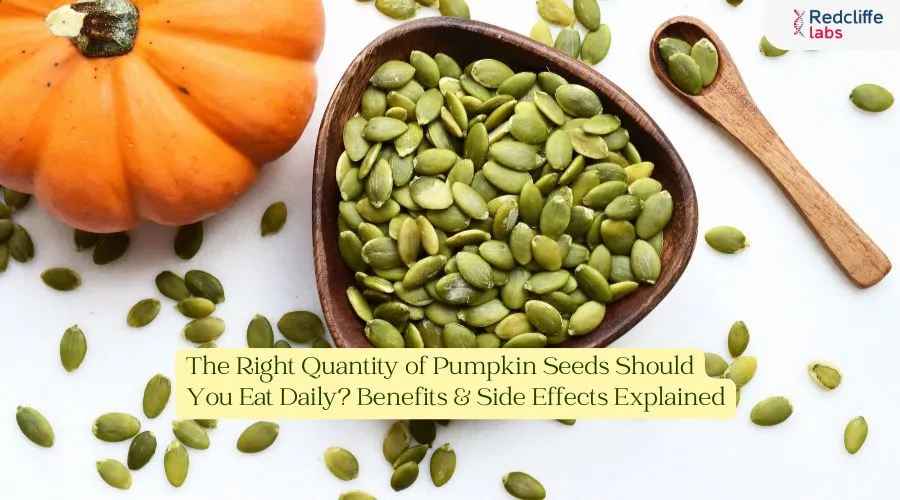
Someone has rightly said that something small, which could be a habit, a kind word, or a simple idea, could have a huge impact over time. The smallest efforts you put in today often lead to the biggest changes. This simply suits pumpkin seeds, which may be small, but they are incredibly nutrient-dense. They have a crunchy texture and a mildly nutty taste, making them a satisfying snack or topping for meals.
While they are a stellar addition to a balanced diet, there is a "sweet spot" for daily consumption to ensure you get the perks without the tummy troubles. So, the question arises: how many pumpkin seeds should you eat daily, and what happens if you eat too many? Let's break it down.
Impressive Nutritional Profile of Pumpkin Seeds
Pumpkin seeds, also known as Pepitas, are a powerhouse of essential nutrients, making them a superfood for your heart and immune system. The impressive nutritional profile of pumpkin seeds offers an array of nutrients in every bite:
They contain:
- Protein
- Healthy Fats
- Magnesium
- Zinc
- Fibre
Eating pumpkin seeds in moderation may offer you several health benefits:
Also read:
https://redcliffelabs.com/myhealth/hindi/pumpkin-seeds-benefits-in-hindi-beneficial-for-health/
1. Supports Muscle Growth
The protein in pumpkin seeds supports muscle repair and growth. Consuming pumpkin seeds daily is vital for maintaining muscle strength and supporting overall bodily function.
2. Promotes Heart Health
Healthy fats, mainly unsaturated fats, help lower LDL (bad) cholesterol, making them beneficial for heart health. The magnesium content in pumpkin seeds helps maintain normal blood pressure and heart rhythm. Thus, both these nutrients contribute to overall cardiovascular protection.
3. Boosts Immunity
Zinc is an ultimate "immunity mineral" that also supports wound healing and cellular regeneration. Additionally, pumpkin seeds are an excellent, nutrient-dense food for strengthening your immune system and supporting the body's defense mechanisms against infections.
4. Improves Digestion & Gut Health
Fiber, which aids in digestion, keeps your digestive tract moving and helps you feel full for longer. The fiber content helps regulate bowel movements and prevents constipation. Moreover, dietary fiber in pumpkin seeds acts as a prebiotic, feeding good gut bacteria and improving overall digestion.
5. Enhances Nerves and Muscle Function
Magnesium is vital for nerve signal transmission and for muscle contraction. A sufficient amount of pumpkin seeds can reduce muscle spasms and tiredness. Magnesium also supports proper brain function and helps relax.
6. Rich in Antioxidants and Anti-Inflammatory Properties
Pumpkin seeds contain several antioxidants, such as vitamin E and carotenoids. They prevent oxidation in our bodies and thus protect cells from free-radical damage. This can prevent chronic inflammatory diseases.
7. Helps Manage Blood Sugar Levels
Magnesium and fiber help improve insulin sensitivity and support better blood sugar control, especially when combined with a balanced diet.
8. May Help Support Testosterone & Improve Male Fertility
Pumpkin seeds contain zinc, an essential nutrient for maintaining normal testosterone levels in men. Additionally, it plays a key role in sperm quality and reproductive health. Eating seeds daily may support hormonal balance and fertility.
9. Supports Better Sleep
Pumpkin seeds contain magnesium and tryptophan, which help produce sleep-inducing hormones. The ingredients aid in relaxation and improve sleep quality. Having a serving in the evenings can lead to quality sleep.
10. Supports Bone Health
Magnesium, phosphorus, and zinc are key minerals that help maintain bone density and strength. Eating pumpkin seeds daily may support bone formation and reduce the risk of weakness or fractures over time.
Also read:
Side Effects of Overeating Pumpkin Seeds
Health experts recommend consuming pumpkin seeds in appropriate amounts; eating too many of them at once may cause side effects:
1. Bloating and Gas
Pumpkin seeds are a rich source of dietary fiber. While fiber aids digestion, excessive fiber can burden the digestive system, causing bloating and gas.
2. Constipation or Diarrhea
The pumpkin seeds contain both soluble and insoluble fiber. An excess of insoluble fiber can speed up digestion and lead to diarrhea. Insufficient water intake, coupled with excessive fiber intake, leads to constipation.
3. Abdominal Cramps and Indigestion
Their hard outer coating and high-fat content make them harder to digest. Poor chewing or overconsumption can cause cramping, acid reflux, or digestive problems.
4. Excess Calorie Intake
Although they have many nutritional benefits, pumpkin seeds are high in calories. A ¼ cup (~30 g) of pumpkin seeds contains approximately x. 150-180 calories. Overconsumption can lead to unwanted weight gain.
5. Increased Sodium Intake
Many commercially available pumpkin seeds are salted. Consuming too much of them can lead to excessive sodium intake, which can cause water retention and swelling.
6. Mineral Imbalance
Pumpkin seeds contain zinc and magnesium in large quantities. Nevertheless, prolonged excess zinc intake can impair copper absorption, leading to a mineral imbalance.
Quick Comparison Table: Raw vs Roasted
|
Feature |
Raw Pumpkin Seeds |
Roasted Pumpkin Seeds |
|
Nutrient Retention |
High Nutrient Retention |
Slight Nutrient Loss Due to Heat |
|
Digestibility |
Slightly Harder to Digest |
Easier to Digest |
|
Antioxidant Activity |
High |
Can decrease slightly with heat |
|
Taste Preference |
Mild, earthy, and natural flavor |
Crunchier, more flavorful |
|
Overall Health Benefits |
Maximum nutrition and clean eating |
Still healthy, especially if dry roasted and unsalted |
The "Best Version" to Buy
If you want the absolute best results for your health, the version you choose matters.
The Winner: Raw or Dry-Roasted, Unsalted Seeds.
Why Raw? Eating raw pumpkin seeds is more beneficial because high heat can sometimes damage the delicate, healthy fats found in the seeds.
Why Unsalted? Consuming unsalted pumpkin seeds helps control sodium intake and keep puffiness at bay, which can result from excess salt.
Pro Tip: If you do not like eating plain pumpkin seeds, try lightly tossing them in olive oil and a dash of cinnamon or smoked paprika at home.
What is the Recommended Daily Intake of Pumpkin Seeds?
Now, this is interesting as it is easy to find yourself reaching for handful after handful. However, health experts generally recommend consuming approximately. 30 grams (about one-quarter cup) of pumpkin seeds every day.
Consuming this portion provides a balanced dose of nutrients, including protein, healthy fats, and essential minerals, without straining your digestive system or leading to excessive calorie intake.
What is the Healthiest Way to Eat Pumpkin Seeds?
You can incorporate both in your diet as they are versatile and can be consumed in different ways.
Raw Pumpkin Seeds
- As A Snack: They make for great snacking as is and also serve well as salad toppings.
- In smoothies, raw pumpkin seeds can be blended to boost their protein and healthy fat levels.
- Used as a Topping: They can be sprinkled on oatmeal, yogurt, or avocado toast.
- In Homemade Granola, they can be used as ingredients.
Roasted Pumpkin Seeds
- As a Snack: Roasted pumpkin seeds make tasty treats that can be served salty, spicy, or sweet.
- In Baking: You can use them to make muffins, bread, or even cookies.
- As a Topping on Salads: The roasted seeds may be sprinkled on salads to add flavor.
- In Making Trail Mixes: They can be used along with other ingredients to make trail mixes.
Either way, raw or roasted, the pumpkin seeds can easily be included in our daily meals.
Also read:
Tips to Consume Pumpkin Seeds
Yes, pumpkin seeds are nutrient-dense superfoods; you should always consume them correctly to avoid side effects.
- Daily Portion Limits: Consume 28-30 grams (¼ cup) per day. Excessive consumption can cause gas, bloating, digestive issues, and unnecessary calorie intake.
- Prepare them properly. The best preparation method includes:
- Soaking: Soak seeds to improve digestion and mineral absorption.
- Roast lightly at low heat to enhance the flavor without losing ingredients.
- Boiling: Boiling fresh seeds before roasting is optional and can enhance texture, but it is not necessary for nutritional benefits.
- Support Digestion: Drink enough water when consuming pumpkin seeds, as their high fiber content requires proper hydration.
- Choose the Right Type: Always choose unsalted raw pumpkin seeds to prevent excess sodium intake. However, if digestion is an issue, opt for shelled seeds (pepitas)
- Use Caution (If needed): People with sensitive digestion or on certain medications should consume small amounts and consult a doctor if required.
Conclusion
Pumpkin seeds are highly nutritious and should be included in your diet, as they offer various health benefits when consumed in the recommended amounts.
This food is high in calories and fiber, so taking it in moderation will help you achieve maximum health benefits.
Start with 1-2 tablespoons daily if you are new to high-fiber foods, and gradually increase your intake to avoid digestive discomfort.
FAQs
How many pumpkin seeds should I take every day?
You should take about 28 to 30 grams (1/4 cup) of pumpkin seeds daily. This quantity provides nutrients such as protein, healthy fats, and other minerals. If you take them in large amounts, they can make you bloat or gain weight because of the calories they contain.
Does eating too many pumpkin seeds give any side effects?
Yes, since pumpkin seeds are high in fiber, taking them in large quantities can cause bloating, gas, stomach cramps, and even changes in bowel movements. Pumpkin seeds are very calorie-dense, so eating too many of them may make you put on weight.
Are pumpkin seeds beneficial for weight management?
Consuming pumpkin seeds can help with weight management when consumed in moderate amounts. The protein, fiber, and healthy fats in these seeds ensure that you feel fuller and less likely to snack unnecessarily. However, owing to the high caloric content of these seeds, it is imperative to monitor your intake to avoid exceeding the recommended daily calorie limit.
How are pumpkin seeds consumed? Is it better to eat them raw or roasted?
Both raw and roasted pumpkin seeds are equally nutritious. While the former retains all the nutrients, the latter enhances flavor and crispiness. Be sure to avoid heavily salted or oil-roasted seeds, as they may reduce the seeds' overall nutritional value.
Who should avoid or limit pumpkin seeds?
Sensitive individuals, especially those who suffer from irritable bowel syndrome and users of blood-thinning drugs, should exercise caution while consuming pumpkin seeds. You can start by eating small amounts initially to determine your body's tolerance to the seeds.