Sinus (Sinusitis) Infection: Symptoms, Causes, Diagnosis, & Prevention

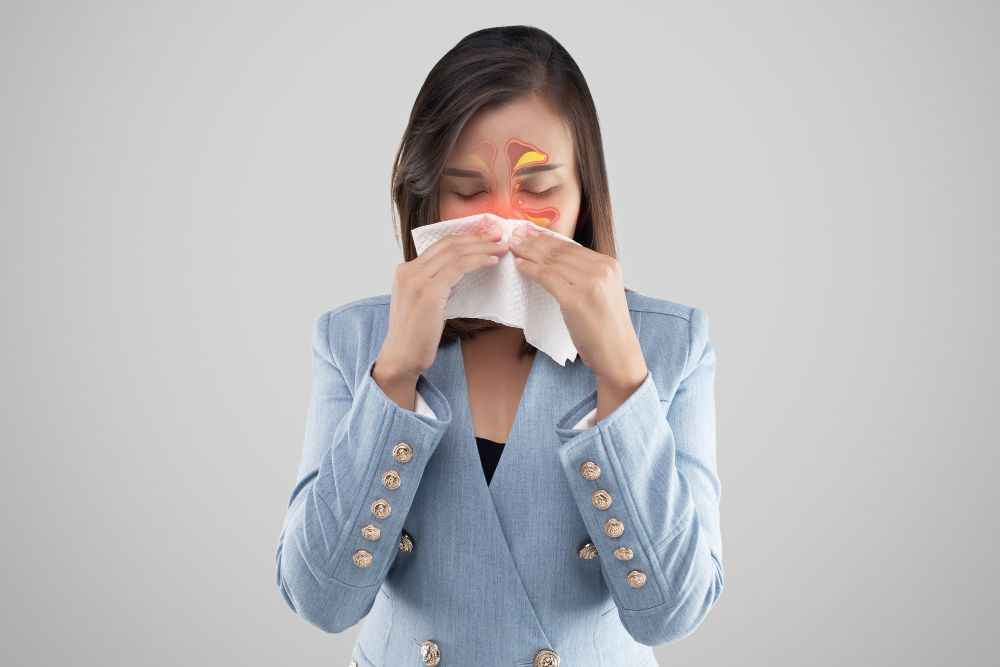
Feeling discomfort or pain in your head or face? Is your nose runny and coughing? It might be cold, but if these symptoms bother you for more than ten days, most likely, the sinus infection has caught you.
So what to do, Next? Well, no worries; Sinusitis is an acute inflammation of the sinuses, which are hollow cavities in our facial bones. Sinus infection causes can be multiple, like allergies, infections, viruses, colds, etc. However, knowing the symptoms, such as pain, pressure, nasal congestion, and discharge, and getting treatment on time can save you.
Here in this blog, we've covered you with all the facts and findings that will help you understand Sinus symptoms, causes, diagnosis, prevention methods, and much more. So let's dive deep to understand more.
How do you know you have Sinus?
A severe cold may lead to a sinus infection. People may experience distinct symptoms depending on their condition, type, and severity. The common symptoms are headaches or facial pain, a runny nose, loss of sense of smell and taste, headache, cough, sore throat, fatigue, ear pressure, and nasal congestion. You have a sinus infection if you are experiencing the below symptoms:
- Facial pain and pressure: People often feel a dull, aching sensation in the forehead, cheeks, or around the eyes.
- Nasal congestion: A feeling of blockage or stuffiness in the nose is common in Sinusitis.
- Thick nasal discharge: Sinusitis causes a thick, yellow, or greenish discharge from the nose. The discharge may drain down the back of your throat, leading to a sore throat or cough.
- Loss of sense of smell and taste: Sinus can affect your ability to smell and taste food properly.
- Fatigue: You will feel tired, low on energy, and unwell. Sometimes, people complain that they cannot sleep well.
- Loosening or numbness of teeth: Inflammation in the maxillary sinuses, located behind the cheeks, can cause tooth pain, especially in the upper jaw.
- Bad breath: Foul-smelling breath is one of the common symptoms that people may notice when they have a sinus infection. This is due to the accumulation of mucus and bacteria in the nasal passages.
Other symptoms that confirm you have Sinus:
- Pain above or below the eyes
- Hearing loss
- Trouble opening the mouth
- Constant watery eyes
- Loss or change in vision
- Pain or pressure in one of the ears
- Severe Headache
Having more than one symptom signifies that you have caught a sinus infection. So, it's better to consult a doctor to treat the cause promptly. Seek medical attention if you experience severe symptoms, as sinus infections may require appropriate treatment to alleviate discomfort and prevent complications.
Risk factors that elevate the risk of Sinus
Mentioned below are some possibilities that increase the likelihood of sinus infection.
- People with allergies, such as allergic rhinitis, are more prone to developing Sinusitis.
- Nasal abnormalities include deviated septum, nasal polyps, or narrow sinus openings.
- Bacterial sinus infection symptoms include the common cold, flu, or bronchitis.
- People who have weak immune systems are more susceptible to infections.
- Exposure to certain environmental irritants, such as pollutants, cigarette smoke, chemicals, and dust, can irritate the nasal passages.
- Having a history of frequent or chronic respiratory infections.
- Swimming or diving can introduce bacteria or fungi.
- Air travel affects the sinuses and increases the risk.
Is it a cold or a Sinus infection?
As cold and sinus infection symptoms are similar, sometimes it can be challenging to identify between them. The common cold usually creeps up, peaks, and then fades away. It lasts 7-10 days, whereas a sinus infection can last longer, for more than 10 days or even weeks. Sneezing, itchy nose and eyes, congestion, runny nose, and postnasal drip (mucus in your throat) are all symptoms of nasal allergies.
Sinus infection symptoms can emerge after a cold and worsen symptoms, such as unendurable facial pain, pressure, and nasal congestion. Colds typically do not cause a significant fever or severe headache, while sinus infections can accompany an intense and low-grade fever. Moreover, sinus patients complain that they often lose their sense of smell and taste, while Colds might temporarily affect these senses.
Which type of Sinus affects the most?
Sinus infections, or Sinusitis, can be classified into different types based on the duration and underlying causes. Depending on the symptoms, you may identify which Sinus has affected you. The primary types of sinus infections include:
- Acute Sinusitis: This short-term infection may last for less than four weeks. A bacterial or viral infection usually causes it, and the patient may experience onset symptoms, such as facial pain, congestion, and nasal discharge.
- Chronic Sinusitis: Chronic or long-term Sinusitis may persist for 12 weeks or longer. Chronic sinusitis symptoms are typically milder and may include fatigue, nasal congestion, postnasal drip, and a reduced sense of smell and taste.
- Recurrent Sinusitis: Recurrent Sinusitis may result from multiple episodes of acute Sinusitis within a year.
- Allergic Sinusitis: Allergic Sinusitis is often triggered by allergens like pollen and dust mites. Symptoms are similar to other forms of Sinusitis, like sneezing, itchy eyes, and a runny or congested nose.
- Fungal Sinusitis: Fungal Sinusitis is a rare form of sinus infection caused by a fungal infection. This majorly affects people who have low or weak immunity.
A preventive approach to avoid the risk of Sinusitis
The simple advice to reduce or lower sinus infection risk follows the preventative cure and practices. Doing this will help you keep your nasal passages clear as well as improve your overall ability to combat the infection. Follow these best tips to counter the effect of Sinusitis:
- Maintain Cleanliness: Following a proper hygienic ritual will help reduce the prevalence of infections.
- Avoid direct contact with infected people: Individuals suffering from viral infections are at higher risk of transmitting the infection to others. As these viral infections may trigger Sinusitis, avoiding close or direct contact with infected people is advised.
- Avoid irritants: To reduce the risk, it is highly advisable to keep away from irritants like cigarette smoke and air pollen.
- Practice a healthy lifestyle: Regular exercise and balanced diets rich in minerals and vitamins support the immune system to fight infections like Sinusitis.
Can Sinusitis be cured at home?
The sinus is uncomfortable. However, if handled properly, it can be treated at home. Many effective home remedies can ease the stuffiness in your sinuses and alleviate pain:
- Rinse nasal passages with saline solution to remove excess mucus, allergens, and irritants, which will relieve congestion.
- Inhaling hot water steam can help moisturize the nasal passages and reduce congestion.
- Applying warm compresses on the face can help decrease facial pain and pressure.
- Drinking as much as you can, especially warm fluids like herbal tea or warm water, can help thin the mucus and keep the nasal passages hydrated, making it easier for the sinuses to drain.
- Get enough rest and sleep to heal and recover your immune system to fight infections.
- Regularly clean your living space to reduce the risk of allergens and irritants.
- Use nasal sprays, decongestants, or painkillers such as acetaminophen or ibuprofen to relieve symptoms temporarily.
Home remedies can alleviate symptoms, but severe cases may require medical intervention. Monitor your symptoms and seek medical help if your Sinusitis worsens.
When to seek a doctor's help
If your symptoms get worse with time and you are not seeing any improvement, then it's high time to consult with your doctor. Generally, the symptoms last 10-12 days, but if you have a chronic sinus, you will need a professional's help. Based on your symptoms, your doctor will provide you the treatment.