6 Sideroblastic Anemia: Causes, Symptoms, Diagnosis, and Treatment

Medically Reviewed By
Dr. Mayanka Lodha Seth
Written By Kirti Saxena
on Apr 23, 2026
Last Edit Made By Kirti Saxena
on Apr 23, 2026
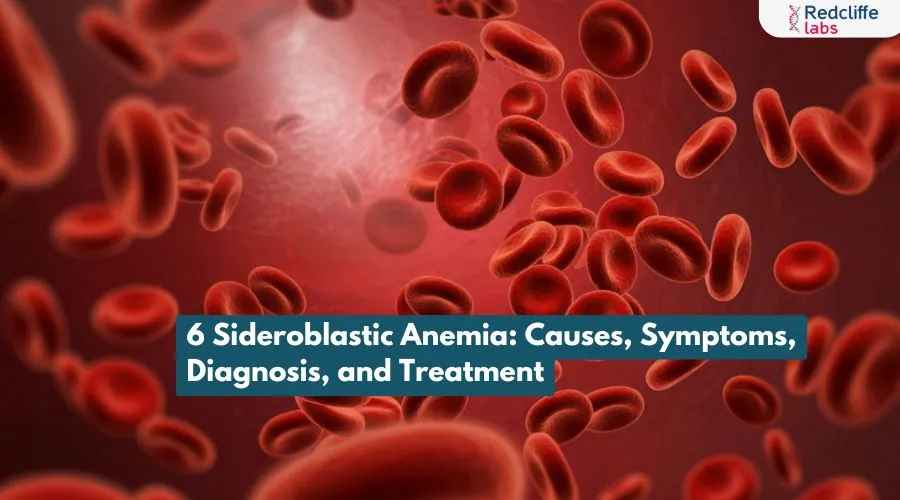
Sideroblastic Anemia is a rare type of anemia in which the body has enough iron, but it cannot use it properly to make healthy red blood cells.
This condition often goes unnoticed in the early stages. Over time, it can lead to serious health complications, including iron overload and organ damage. According to global health data, anemia affects millions of people worldwide, but rare types like sideroblastic anemia remain underdiagnosed due to lack of awareness. Understanding this condition can help you take timely action and protect your health.
In this article, let’s understand what SA is, its causes, symptoms, treatment, and more.
What is Sideroblastic Anemia?
Sideroblastic anemia is a type of anemia in which your body fails to use iron properly to produce healthy red blood cells.
In a healthy body, iron combines with hemoglobin to form red blood cells that carry oxygen throughout the body. But in sideroblastic anemia, this process does not function properly. Iron builds up inside the bone marrow instead of getting used for hemoglobin production.
The bone marrow, which acts as a factory for blood cells, produc6es abnormal red blood cells. These cells cannot function properly, leading to reduced oxygen supply to the body.
One key feature of this condition is the presence of “ring sideroblasts.” These are abnormal red blood cell precursors with iron accumulated in a ring-like pattern around their nuclei. Doctors identify these cells during a bone marrow examination.
Types of Sideroblastic Anemia
Doctors classify sideroblastic anemia into two main types based on its cause.
Congenital (Inherited) Sideroblastic Anemia
This type starts from birth. It happens due to genetic mutations that affect how the body uses iron. A person inherits these faulty genes from their parents.
In this condition, the body cannot properly use iron to make healthy red blood cells. This problem begins early, so that symptoms may appear during childhood or even infancy.
Some people may live with mild symptoms for years, while others may develop noticeable signs early in life. Early diagnosis helps manage the condition better and prevents complications.
Acquired Sideroblastic Anemia
This type develops later in life. It does not come from birth. It usually occurs due to external or lifestyle-related factors.
Common causes include:
- Poor nutrition, especially low vitamin B6 levels
- Long-term alcohol use
- Certain medications
- Chronic illnesses
- Bone marrow disorders like Myelodysplastic Syndrome
In acquired sideroblastic anemia, the body loses its ability to use iron properly over time. This leads to abnormal red blood cell production and symptoms of anemia.
Causes of Sideroblastic Anemia
Several factors can cause sideroblastic anemia. The cause depends on whether the condition is inherited or develops later in life.
Genetic Mutations
Some people inherit faulty genes from their parents. These genetic changes affect how the body uses iron. As a result, the body cannot properly produce healthy red blood cells.
Chronic Alcohol Use
Excess alcohol harms the bone marrow. It reduces the body’s ability to produce healthy blood cells. Alcohol also affects the absorption of essential vitamins, which worsens the condition.
Vitamin B6 Deficiency
Vitamin B6 helps the body produce hemoglobin. Hemoglobin carries oxygen in the blood. When the body lacks vitamin B6, it cannot properly use iron. This leads to anemia.
Certain Medications
Some medicines can affect bone marrow function. These include certain antibiotics and chemotherapy drugs. Long-term use may interfere with red blood cell production.
Lead Poisoning
Exposure to lead damages important enzymes in the body. These enzymes help in hemoglobin production. When they stop working properly, the body cannot form healthy red blood cells.
Bone Marrow Disorders
Some diseases directly affect the bone marrow. One common condition is Myelodysplastic Syndrome. It causes abnormal blood cell production, including the production of defective red blood cells.
Symptoms of Sideroblastic Anemia
Sideroblastic anemia often develops slowly. Many people ignore the early signs because they feel common. But your body gives clear signals when it does not get enough oxygen.
Common Symptoms of SA
These symptoms occur due to low oxygen supply in the body:
- Constant fatigue and low energy
- Weakness even after rest
- Pale or dull-looking skin
- Shortness of breath during simple activities
- Dizziness or lightheadedness
- Frequent headaches
- Fast or irregular heartbeat
These symptoms may look mild at first. But they can worsen over time if you ignore them.
Symptoms Due to Iron Overload
In sideroblastic anemia, iron accumulates in the body rather than being used. This can cause additional symptoms:
- Joint pain or stiffness
- Abdominal discomfort
- Enlarged liver
- Dark or bronze skin tone
- Unusual weight loss
Iron overload can damage vital organs, such as the liver and heart, if left untreated.
Many people mistake these signs for stress or weakness. But ignoring them can delay diagnosis. Early testing helps identify the condition before complications develop. If you notice persistent symptoms, consult a doctor and get your blood tests done.
How Sideroblastic Anemia is Diagnosed
Doctors use a combination of tests to diagnose sideroblastic anemia. No single test confirms the condition. Each test gives important information about blood health and iron levels.
- Blood Test (CBC): A Complete Blood Count (CBC) checks your overall blood health. It measures hemoglobin levels and counts red blood cells. In sideroblastic anemia, the test may show low hemoglobin and abnormal red blood cells.
- Peripheral Smear: Doctors examine your blood under a microscope in this test. They check the shape and size of red blood cells. In this condition, red blood cells often look abnormal. This gives an early clue about the disorder.
- Bone Marrow Examination: This test confirms the diagnosis. Doctors take a small sample of bone marrow and examine it. They look for ring sideroblasts, which are abnormal cells with iron deposits around the nucleus. These cells are a key sign of sideroblastic anemia.
- Iron Studies: Iron tests measure how much iron is present in your blood. In sideroblastic anemia, iron levels may appear normal or even high. This helps doctors understand that the body has iron but cannot use it properly.
- Genetic Testing: Doctors recommend genetic tests when they suspect an inherited form. These tests identify gene mutations that affect iron use and red blood cell production.
Early and accurate diagnosis helps doctors start the right treatment and prevent complications. It also helps prevent iron overload and organ damage. At Redcliffe Labs, advanced diagnostic testing supports early detection. Accurate reports help doctors plan timely and effective treatment.
Treatment Options
Treatment depends on the cause and severity of the condition. Doctors focus on improving red blood cell production and controlling excess iron in the body.
- Phlebotomy Therapy (Bloodletting): Doctors remove a small amount of blood at regular intervals in this therapy. This helps reduce excess iron levels in the body. It works best in patients with iron overload.
- Chelation Therapy: Doctors use special medicines to remove extra iron from the body. These medicines bind with iron and help remove it through urine or stool. This therapy protects vital organs like the liver and heart from damage.
- Stem Cell Transplant: Doctors may recommend a stem cell transplant in severe or inherited cases. This procedure replaces damaged bone marrow with healthy cells. It offers a potential long-term solution, but doctors use it only in selected cases.
- Blood Transfusions: Doctors give healthy red blood cells through transfusion when anemia becomes severe. This treatment quickly improves oxygen levels and reduces symptoms like fatigue and breathlessness.
- Anemia Medicines: Doctors may prescribe medicines that stimulate red blood cell production. These medicines help improve hemoglobin levels over time.
Identifying the condition early prevents iron overload and organ damage. It also improves energy levels and overall health.
Conclusion
Sideroblastic anemia may seem rare, but it can impact your health if left undiagnosed. The condition occurs when your body fails to use iron effectively, even when it is available in sufficient amounts. The good news is that early diagnosis and proper treatment can effectively manage the condition. Identifying the cause, following medical advice, and making lifestyle changes can help you live a healthier life. Listen to your body. Do not ignore persistent fatigue or unusual symptoms. Regular testing and timely consultation can make a life-changing difference. If you experience symptoms or want to rule out anemia, consider getting tested with Redcliffe Labs for an accurate diagnosis and expert support.
FAQ’s
What are the most common causes of Sideroblastic Anemia?
The most common cause of sideroblastic anemia is genetic mutation, chronic alcohol use, Vitamin B6 deficiency, certain medication, lead poisoning, and bone marrow disorders like Myelodysplastic Syndrome.
What is the difference between iron deficiency anemia and sideroblastic anemia?
Sideroblastic anemia (SA) and iron deficiency anemia (IDA) both show small, pale red blood cells. However, they differ in iron levels. IDA occurs when the body lacks iron. SA occurs when the body cannot use available iron, which leads to iron buildup and formation of ring sideroblasts.
What test detects sideroblastic anemia?
Doctors may perform multiple tests to detect Sideroblastic Anaemia. A bone marrow examination confirms the diagnosis by identifying ring sideroblasts. Doctors also use CBC, peripheral smear, and iron studies to accurately assess red blood cells and iron levels.
Is sideroblastic anemia microcytic or macrocytic?
Sideroblastic anemia can be microcytic or macrocytic, depending on the etiology. Many cases show microcytic red blood cells. Some acquired forms may show normocytic or macrocytic cells.