Protein-Rich Foods for Hair Growth: Best Sources for Strong & Healthy Hair

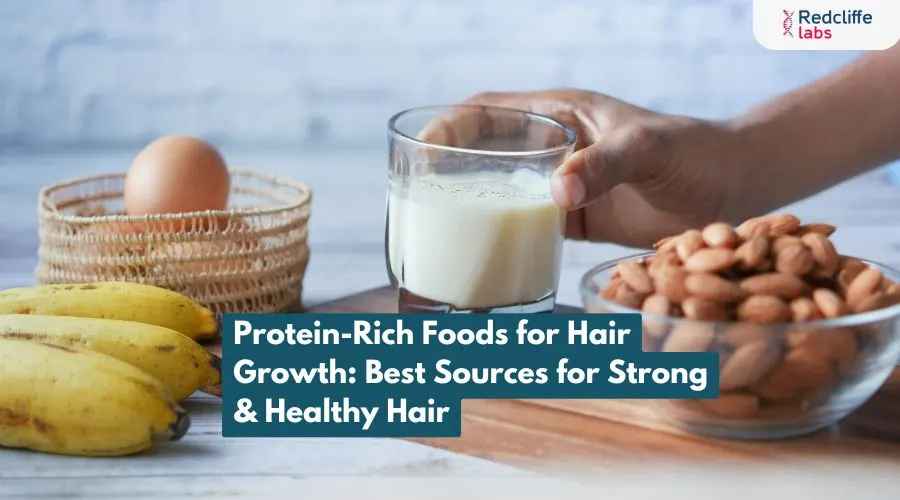
Are you losing more hair than you have before? Are more hair strands falling from your head than usual? While hair loss can occur for many reasons, such as stress, hormonal imbalance, and heredity, one often overlooked cause is a lack of protein in the body.
Keratin, a structural protein, makes up approximately 95% of the hair shaft. If you do not get enough protein in your diet, your hair becomes more susceptible to hair loss. Therefore, including protein-rich foods in your daily diet to support hair growth is essential for maintaining strong, healthy hair.
In this blog, we will discuss the importance of protein for hair health, the best protein-rich foods to include in your diet, signs of protein deficiency, and additional nutrients that support healthy hair growth.
Why Protein Is the Foundation of Hair Growth
Each strand of hair originates from the follicle on the scalp. Cells within each follicle multiply rapidly to produce new hair strands, and they require a steady influx of amino acids, which are used to form protein. Inadequate protein intake can disrupt the hair growth cycle and contribute to excessive hair shedding, a condition known as telogen effluvium.
Nutritional deficiencies are among the reasons for hair thinning that people often overlook. One reason for hair loss is insufficient protein intake, which can cause hair follicles to enter the resting phase, leading to premature shedding.
The good thing is that once you start consuming the right foods that support healthy hair, you usually start seeing improvements in thickness and reduced hair breakage within 3 to 6 months.
How Much Protein Does Your Hair Need?
According to the National Institutes of Health (NIH), the recommended dietary allowance of protein is 0.8g per kg of body weight in average individuals. However, individuals experiencing hair thinning or hair loss require a slightly higher protein intake, aiming for 1.2 to 1.6 g per kg of body weight.
Signs You May Not Be Getting Enough Protein
A lack of protein can negatively affect your health and hair. Some of the symptoms are:
- Excessive hair fall
- Poor growth of hair
- Thin hair
- Brittle or weak strands
- Loss of hair volume
- Dry and unhealthy hair
- Frequent hair breakage
If you are suffering from continuous hair fall, a lack of nutrition could be one reason.
Also read:
Top 7 Protein-Rich Foods for Hair Growth
Not all proteins are equally beneficial for promoting healthy hair growth. While some contain a full set of amino acids, others work best when combined with complementary foods. Below are the top sources, broken down by category.
1. Eggs - The Complete Hair Food
Eggs are considered one of the best foods for healthy hair. Eggs have complete proteins that help to form keratin, together with biotin (vitamin B7).
One large egg contains about 6 grams of protein and provides enough biotin to meet your daily requirement.
Best Ways to Include:
- Boiled, scrambled, or poached eggs for breakfast
- Added to salads or grain bowls for a protein boost
- Egg-based omelets with vegetables
2. Legumes-Lentils, Chickpeas, and Black Beans
For vegetarians and vegans, legumes are among the most important protein-rich foods for hair growth. Lentils provide approximately 18 grams of protein per cooked cup and contain iron, zinc, biotin, and folate, which help keep red blood cells healthy.
Top legumes for hair:
- Red and green lentils - high in iron and protein
- Chickpeas are rich in zinc and B vitamins
- Kidney beans - a good source of protein and folic acid
- Edamame (young soybeans) - a complete protein source
3. Greek Yogurt and Cottage Cheese
Greek yogurt is a convenient, protein-dense dairy option, offering up to 17 grams of protein per 170-gram serving. Greek yogurt also contains pantothenic acid (vitamin B5). This is an essential component in hair care products as it supports healthy blood circulation to the scalp. Cottage cheese is another excellent source of protein, providing approximately 14 grams per half-cup serving.
4. Nuts and Seeds - Almonds, Walnuts & Sunflower Seeds
Although nuts and seeds contain less protein than animals, they offer a unique combination of protein, healthy fats, vitamin E, zinc, and selenium that contributes to scalp health and follicle strength. For instance, walnuts are among the few plant-based foods rich in omega-3 fats. On the other hand, sunflower seeds are rich in vitamin E, an antioxidant.
5. Soy-Based Foods -Tofu & Tempeh
Both tofu and tempeh provide complete proteins because they contain all nine essential amino acids that the body cannot produce on its own. What's interesting about tempeh is that it contains about 19 grams of protein per 100 grams. Furthermore, tempeh is a fermented food that may support digestive health. Tofu and tempeh are excellent everyday additions.
6. Quinoa
Quinoa is a unique grain because it contains all nine essential amino acids.
Benefits for Hair
- Supports healthy hair growth
- Strengthens hair fibers
- Provides iron and magnesium
- Suitable for gluten-free diets
7. Milk
Milk contains high-quality proteins, making it a valuable addition to a hair-healthy diet.
Benefits for hair:
- Follicles receive proper nutrition.
- Hair remains strong
- Provides calcium and vitamin D
- Aids in protein intake
Other Key Nutrients That Work Alongside Protein
Hair growth depends mainly on protein; however, it works best when supported by nutrients. Think of proteins as the bricks of a building and other nutrients as the mortar that keeps them in place.
Key supporting nutrients:
Iron
Iron helps deliver oxygen to hair follicles, and deficiency may contribute to hair loss, particularly in women.
Zinc
It plays a crucial role in hair follicle regeneration and in regulating oil glands.
Biotin (Vitamin B7)
It is necessary for building the keratin framework.
Vitamin D
Vitamin D plays a role in hair follicle cycling, and deficiency has been associated with alopecia areata.
Vitamin C
It promotes iron absorption and collagen formation.
Omega-3 Fatty Acids
Omega-3 fatty acids may help reduce scalp inflammation and support follicle health.
Also read:
Foods and Habits That Limit Hair Growth
It is not enough to eat the right foods, because certain dietary patterns may negate the benefits of nutritional efforts and harm hair health.
Avoid or Limit
- Highly processed foods
- Sugary beverages
- Excess fried foods
- Crash diets
- Excessive alcohol consumption
Prioritizing nutrient-rich meals can help create an environment that supports stronger and healthier hair.
A Simple Daily Meal Plan for Hair-Boosting Protein
You don't have to overhaul your whole diet right away; small but steady changes are much easier to stick to. Here is a simple day of eating that naturally incorporates a protein-rich food into every meal to support hair growth.
Sample day:
- Breakfast: Greek yogurt with a handful of walnuts and chia seeds. Rich in protein, omega-3s, and biotin.
- Mid-morning snack: Two boiled eggs. A complete protein and biotin.
- Lunch: Tofu with lentil soup and a spinach salad for protein, iron, and zinc.
- Afternoon snack: A small handful of almonds and sunflower seeds. Rich in vitamin E and selenium.
- Dinner: Steamed vegetables and quinoa. Rich in protein, iron, magnesium, and zinc.
Tips to Naturally Support Hair Growth
In addition to eating protein-rich foods for hair growth, consider these healthy habits:
- Stay hydrated
- Eat a balanced diet
- Manage stress levels
- Get adequate sleep
- Avoid excessive heat styling
- Exercise regularly
- Use gentle hair care products
Consistent lifestyle habits often play a significant role in maintaining healthy hair.
When Should You Consider a Health Check-Up?
Hair fall can be linked to conditions such as nutritional deficiencies, thyroid issues, hormone imbalances, anemia, or other health problems. If you experience excessive shedding, patchy hair loss, or sudden thinning, it may be helpful to undergo a health evaluation.
Blood tests such as an iron profile, thyroid tests, vitamin D, and nutritional tests will give you an idea of what may be causing your problem.
Conclusion
Hair health comes from the inside out, which means that the strongest thing you can do for your hair is to ensure that it is well-nourished through your diet. You can support healthy hair by eating protein-rich foods every day, such as eggs, legumes, dairy products, nuts, and seeds. Moreover, eating these foods provides your hair follicles with the nutrients they need to function at their best.
Remember, hair is not a vital organ. Your body will always prioritize keeping your heart, liver, and brain functioning before it directs resources to hair growth. That is why you need a consistently protein-rich diet, rather than occasional efforts, which makes the difference
If you are experiencing significant or sudden hair loss, you should always speak with a dermatologist or healthcare professional to rule out underlying conditions that may require treatment. Any dietary modifications can help improve results when combined with other practices, such as staying hydrated, managing stress, and maintaining scalp hygiene.
FAQs
Which is the best protein-rich food for hair growth?
Eggs are often considered one of the best foods for hair growth, especially if you are looking for something high in protein and biotin, as both of these nutrients help to create keratin. Some other protein-rich foods for hair growth include paneer, lentils, tofu, and Greek yogurt.
Can a lack of protein cause hair loss?
Protein deficiency can indeed lead to hair thinning and shedding, which means that your hair is growing at a much slower pace than it should be. Because keratin forms the basic structure of our hair, you need sufficient protein intake to have healthy and strong hair strands.
Are vegetarian protein sources good for hair growth?
Vegetarian sources of protein can also promote hair growth if you eat them consistently. Foods like paneer, lentils, chickpeas, soybeans, tofu, yogurt, quinoa, and nuts contain protein and other important nutrients that support healthy hair. Eating a variety of plant-based proteins helps ensure adequate amino acid intake.
How much protein should I eat for healthy hair?
Protein needs vary depending on age, weight, physical activity, health conditions, and other factors. On average, adults usually need about 0.8 grams of protein per kilogram of body weight each day. Some people with high activity levels may need more. Meeting daily protein requirements helps support hair growth, muscle maintenance, and overall health.
How long does it take for a protein-rich food to improve hair growth?
Hair growth is not an instant process; therefore, you may need weeks or even months before results are visible. Eating protein-rich foods and maintaining a healthy, balanced diet will support healthier hair growth. Results vary depending on factors such as nutritional status, genetics, overall health, and the underlying cause of hair loss.


