Navratri Diet Plan: Follow This 9-Day Diet Chart for Healthier Fasting

Do you feel bloated, tired, or low on energy during Navratri fasting? Do you end up eating more fried foods than usual and still call it a "fast"? Well, you are not alone. People rush to find spiritual peace and inner healing, but somewhere along the way, they replace regular meals with fried sabudana vadas, sugary sweets, and heavy vrat snacks. Instead of feeling light and detoxed, they feel sluggish and hungry, and even gain weight while fasting.
Fasting can help improve digestion, boost energy, enhance mental clarity, and detoxify the body, but when done incorrectly, it can lead to nutrient deficiencies, blood sugar spikes, fatigue, and cravings.
So how do you fast the right way?
In this blog, we will give you a complete 9-day Navratri diet plan, explain what to eat (and avoid), and help you fast in a way that supports your health rather than harms it.
What Happens to Your Body During Navratri Fasting?
During fasting, your body goes through several changes. Instead of constantly digesting heavy meals, your digestive system gets time to rest. This helps improve gut function and reduces bloating. Eating light foods like fruits and vegetables during fasting helps flush out toxins and improve digestion.
At the same time, your body begins to use stored energy. This process can improve metabolism and help you feel lighter. However, this benefit depends on what you eat. If you rely only on high-carb foods like sabudana, your body may experience quick energy spikes, sudden crashes, and increased hunger. Sabudana contains about 88% carbohydrates, with very little protein or fiber, making it an "energy food" but not a complete meal. That's why balance becomes important.
Why Most People Feel Weak During Fasting
"Why do I feel weak during fasting?" The answer is simple: poor food choices. Most people eat too many fried foods throughout the day; they ignore protein, skip hydration, and rely solely on packaged Vrat snacks. This leads to low energy levels, muscle weakness, digestive issues, and weight gain. Fasting does not mean eating less; it means eating right.
Foods You Should Eat During Navratri
To stay energetic and healthy, include these nutrient-rich foods:
- Buckwheat (Kuttu): Kuttu aata is a great fasting food because it is rich in protein and fiber. It helps you feel full for longer, so you don't feel hungry again and again. It also helps control blood sugar levels, keeping your energy stable throughout the day.
- Water Chestnut Flour (Singhara): Singhara atta is light on the stomach and easy to digest. It has a low glycemic index, which means it releases energy slowly and keeps you active during the fast. It also supports healthy digestion and prevents heaviness.
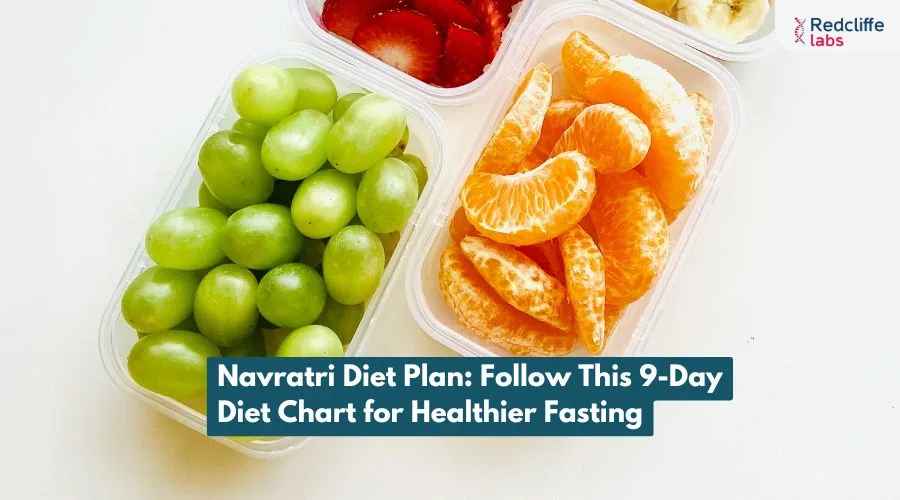
- Fruits: Fruits are one of the best foods you should eat during fasting. They are rich in vitamins, minerals, and antioxidants that support your immune system. Fruits also keep your body hydrated, and the fiber in fruits keeps you full for longer. You can also try fruit shakes to help you stay hydrated and full throughout the day.
- Nuts and Seeds: Nuts such as almonds and walnuts, and seeds, provide healthy fats and protein. They give you instant energy and keep your hunger under control. Eating a small handful can help you stay active and prevent weakness.
- Dairy Products: Milk, curd, and paneer are excellent sources of protein and calcium. They support bone health and muscle strength. These dairy products provide energy that lasts a long time during fasting.
- Vegetables: Sweet potato, lauki (bottle gourd), and raw banana are easy to digest and full of nutrients. They provide energy, improve digestion, and help keep your stomach light during fasting.
Foods You Should Limit During Navratri Fast
Some foods are popular during fasting, but not always healthy.
-
Sabudana (in excess)
Sabudana is commonly eaten during Navratri fasting, but eating too much is not healthy. It is high in carbohydrates but low in essential nutrients, such as protein, fiber, and vitamins. It can quickly raise your blood sugar levels, causing a sudden spike.
-
Fried Foods
Fried foods like sabudana vada, fried chips, or kuttu pakodi may taste good, but they are heavy and high in calories. They can slow down your digestion and may cause bloating, acidity, and discomfort. During fasting, your digestion is already sensitive, so you must avoid oily foods.
-
Packaged Vrat Snacks
Many packaged fasting snacks claim to be "vrat-friendly," but they are often highly processed. They may contain excess salt, unhealthy fats, and preservatives. These foods provide very little nutrition and can lead to low energy and poor digestion.
9-Day Navratri Diet Plan
| Day | Breakfast | Mid-Morning | Lunch | Evening Snack | Dinner |
| Day 1 | Apple + Milk | Coconut Water | Kuttu Roti + Aloo Sabzi | Roasted Makhana | Sabudana Khichdi (light) |
| Day 2 | Banana Smoothie | Fruit Bowl | Singhara Puri + Curd | Coconut Water | Samak Rice Khichdi |
| Day 3 | Papaya + Almonds | Buttermilk | Kuttu Dosa + Chutney | Makhana | Lauki Soup |
| Day 4 (Detox) | Mixed Fruits | Coconut Water | Fruit + Yogurt Bowl | Fruit Salad | Light Fruits |
| Day 5 (Protein) | Milk + Almonds | Banana | Paneer Curry + Kuttu Roti | Fruit Chaat | Sweet Potato |
| Day 6 | Banana + Peanuts | Coconut Water | Singhara Roti + Curd | Roasted Makhana | Vegetable Soup |
| Day 7 | Fruit Smoothie | Buttermilk | Samak Rice + Curd | Coconut Water | Fruit Bowl |
| Day 8 (Ashtami) | Halwa (small) + Milk | Fruits | Kuttu Puri + Aloo Sabzi | Coconut Water | Kala Chana + Halwa |
| Day 9 (Navami) | Fruits + Milk | Dry Fruits | Kuttu Roti + Sabzi | Coconut Water | Light Khichdi |
Healthy Snack Options During Fasting
Feeling hungry between meals? Try these:
- Roasted makhana
- Fruit bowls
- Yogurt with honey
- Nuts and seeds
- Coconut water
These snacks help stabilize your energy and prevent overeating.
Benefits of Following a Healthy Navratri Diet
When you follow a balanced fasting diet, your body responds positively.
- Better Digestion: During Navratri, you eat light and simple foods like fruits, sabudana, kuttu, and vegetables. These foods are easy to digest, so your stomach gets rest from heavy, oily meals. This will help you feel less bloated and less acidic, and improve your gut health.
- Improved Energy Levels: A healthy vrat diet includes a balance of nutrients, carbs, healthy fats, and protein. Instead of junk food energy spikes, you get steady energy throughout the day. Foods like bananas, makhana, and nuts keep you active without feeling tired.
- Weight Management: Fasting naturally reduces overeating. When you eat controlled portions and avoid processed foods, you start losing excess calories and get back into shape.
- Mental Clarity: When you eat light meals and avoid heavy ones, your body expends less energy on digestion. No, more energy is available to your brain, which helps improve focus, calm your mind, and improve your mood.
- Detoxification: Fruits, coconut water, and vegetables are rich in fiber. Vitamins and antioxidants help flush toxins, cleanse your digestive system, and refresh your body from the inside.
Common Mistakes You Must Avoid
- Eating Too Much Fried Food: People think vrat food means sabudana vada, kuttu pakodi, and puri daily. These are high in oil and calories, hard to digest, and cause bloating and heaviness.
- Ignoring Protein: Most vrat diets consist only of carbs (potatoes, sabudana, fruits). A lack of protein leads to muscle weakness, constant hunger, and low energy. Consume milk, curd, paneer, peanuts, and makhana during Navratri.
- Overeating "Fasting Foods": Many people think it's vrat food, so that they can eat anything in any quantity. Sabudana, potatoes, and kuttu are calorie-dense. Overeating can lead to weight gain. Therefore, eat in small portions and maintain a disciplined meal timing.
- Skipping Water: People often forget to drink enough water during fasting. Your body becomes dehydrated, and digestion slows. It may cause headache, dizziness, and low energy. Drink 2.5 litres of water and consume buttermilk and coconut water to stay hydrated.
Who Should Avoid Strict Fasting?
Strict fasting is not suitable for everyone because the body needs regular nutrition to function properly. Certain people may face health risks if they completely restrict food or follow very limited diets during Navratri.
- People with diabetes should be careful because long gaps without food can cause sudden drops or spikes in blood sugar levels, which can be dangerous.
- Those who are pregnant or breastfeeding need extra nutrients to support both themselves and the baby, so that strict fasting can lead to weakness or nutritional deficiency.
- If someone has a chronic illness (like heart disease, thyroid issues, or kidney problems), fasting may worsen their condition or interfere with medications. Also, if you start feeling extreme weakness, dizziness, or fatigue, it's a sign that your body isn't handling the fast well.
- Fasting should support your health, not harm it. That's why it's always important to adjust your fasting style (like eating small, balanced meals) rather than going completely without food.
The safest approach is to consult a doctor before starting fasting, especially if you have any medical conditions, so you can follow a plan that suits your body. If you face any health issues, get tested with Reedcliffe Labs.
Fast Smart, Stay Healthy
Navratri fasting is not only a spiritual practice but also a great opportunity to reset and refresh your body and mind. So, when you choose balanced meals, always include a variety of nutrients, avoid excessive fried or unhealthy foods, and stay properly hydrated. Instead of feeling weak or tired, you feel energetic, light, and mentally calm.
Fasting done the right way supports digestion, improves focus, and helps your body feel rejuvenated. So this Navratri, don't just fast, fast smart. And to make sure your body stays in the best condition during fasting, it's a good idea to keep track of your health with regular checkups from Redcliffe Labs.