Makhana or Peanuts: Which Is Healthier for Weight Loss and Why?

Medically Reviewed By
Dr. Mayanka Lodha Seth
Written By Anjali Dubey
on Apr 20, 2026
Last Edit Made By Anjali Dubey
on Apr 20, 2026
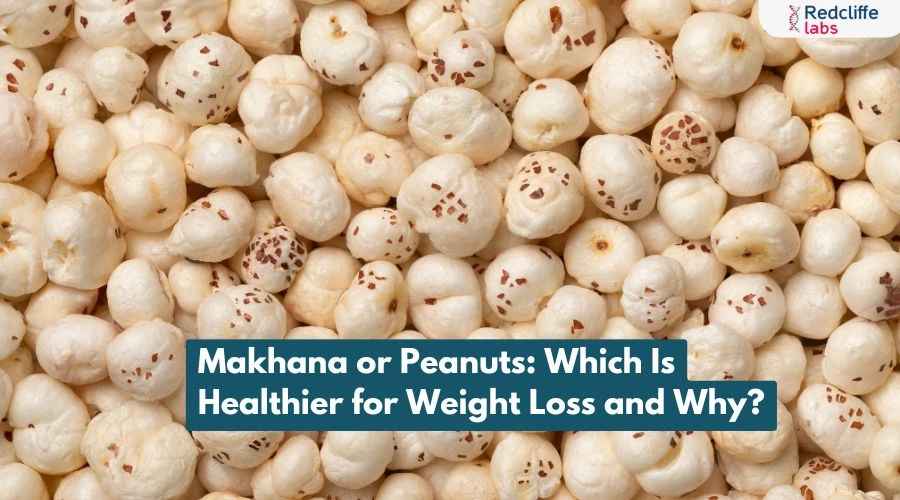
Snacking while trying to lose weight often feels like walking a tightrope. One wrong choice, and suddenly your calorie intake shoots up. But what if your snacks could actually support your weight loss goals? That's where makhana and peanuts come in. These two snacks are often considered healthy, but they affect your body very differently. Makhana is light and low in calories, while peanuts are dense and rich in nutrients. So, which one is the better pick when you're trying to lose weight?
The truth is, both have their own strengths and their own limitations. Understanding them can help you make better choices without sacrificing taste. Let's decode the nutritional science behind makhana and peanuts to find out which one truly supports your weight-loss journey.
What Is Makhana?
Makhana, also called fox nuts or lotus seeds, is a light and crunchy snack that many people in India love to eat. It is very popular among those who want to lose weight because it is low in calories and easy to digest. Makhana is rich in fiber, which helps you feel full for a longer time and reduces unnecessary cravings. It also contains important minerals such as magnesium and potassium that support heart health and overall bodily function. Another great thing about makhana is that it is low in fat, making it a guilt-free snack. People usually roast it with a little salt or spices and enjoy it during fasting or as a healthy evening snack.
Also Read: Makhana Calories: Nutritional Facts, Benefits & Calorie Count
What Are Peanuts?
Peanuts are small, tasty legumes that are packed with nutrients and energy. They are rich in protein, which helps build muscle and keep you full for longer. Peanuts also contain healthy fats that are good for the heart, but they are high in calories, so eating too much can lead to weight gain. They provide important vitamins such as B3 and E, which support brain and skin health. Because peanuts are filling and give long-lasting energy, they are a popular snack choice. However, portion control is very important. Eating a small handful is healthy, but overeating can add extra calories to your diet.
Makhana vs. Peanuts: Nutritional Face-off
|
Feature |
Makhana (Fox Nuts) |
Peanuts |
|
Calories |
Low (Ideal for volume eating) |
High (Energy-dense) |
|
Protein |
Moderate |
High (Great for muscle/satiety) |
|
Fat Content |
Very Low |
High (Mostly healthy monounsaturated) |
|
Fiber |
High/Good |
Moderate |
|
Best For |
Calorie deficits & light snacking |
Appetite control & sustained energy |
How is makhana beneficial for weight loss?
Here are various benefits that makhana provides for weight management :
- Low-Calorie Snack: It is very low in calories, so you can eat a good amount without worrying about weight gain. It helps you stay within your daily calorie limit, which is important for losing weight in a healthy way.
- Keeps You Full for Longer: It contains fiber that helps you feel full for a longer time. This reduces hunger and helps you avoid unhealthy snacks again and again throughout the day.
- Easy to Digest: This is light and gentle on the stomach. It digests easily and does not cause heaviness or bloating, making it a great option for evening or late-night snacking.
- Low Fat Content: Makhana has very little fat, which means fewer extra calories. This helps in weight loss by preventing fat buildup and supporting a balanced, healthy diet.
How are peanuts beneficial for weight loss?
Here are the benefits peanuts provide for weight management:
- High Protein Content: Peanuts are rich in protein, which helps control hunger. Eating peanuts can keep you full for longer and reduce the urge to snack frequently, helping manage your daily calorie intake.
- Healthy Fats for Satiety: Peanuts contain healthy fats that slow down digestion. This makes you feel satisfied for a longer time and helps reduce cravings, supporting better eating habits.
- Boosts Metabolism: Peanuts have nutrients that help your body work better and burn calories efficiently. A good metabolism supports weight loss when peanuts are eaten in the right amount.
- Energy-Dense Snack: Peanuts give long-lasting energy, making them great before workouts. This helps you stay active and burn more calories, which supports weight loss over time.
Makhana or Peanuts: Which Is Better for Weight Loss?
The answer depends on your goals and eating habits.
Choose Makhana If:
- You want a low-calorie snack
- You tend to overeat snacks
- You prefer light and easy-to-digest foods
Makhana is ideal for calorie control and frequent snacking.
Choose Peanuts If:
- You need a high-protein snack
- You want long-lasting fullness
- You can control portion sizes
Peanuts are great for satiety and muscle support, but should be consumed in moderation.
Best Ways to Eat Makhana and Peanuts for Weight Loss
Here are ways to add both superfoods to your daily meals to get the most out of them:
1. Roasted Makhana
Roasting makhana is one of the healthiest ways to enjoy it. Instead of frying, dry roast it with minimal oil and add light spices like black salt or pepper. This keeps it crunchy, low-calorie, and perfect for guilt-free snacking during weight loss. Dry Roasted Peanuts
Always choose dry-roasted peanuts over fried or salted ones. Fried peanuts contain extra oil, and salted ones increase sodium intake. Dry roasting preserves nutrients and avoids unnecessary calories, making it a healthier option for weight management.
3. Makhana-Peanut Mix
Combining makhana with a small portion of peanuts creates a balanced snack. Makhana adds volume and low calories, while peanuts provide protein and healthy fats. Together, they help you feel full longer and reduce unhealthy cravings between meals.
4. Portion Control
Even healthy snacks can lead to weight gain if eaten in large amounts. Keep your portions in check, especially with peanuts, as they are calorie-dense. A small handful is enough to keep you satisfied without adding extra calories.
What are the common mistakes to avoid?
Here are some common mistakes to avoid:
1. Overeating Peanuts
Peanuts are nutritious but high in calories due to their fat content. Eating them in large quantities can quickly increase your calorie intake. This may slow your weight-loss progress, so it's important to enjoy them in moderation.
2. Adding Excess Oil or Butter
Using too much oil or butter when roasting makhana or peanuts unnecessarily increases calories. This defeats the purpose of a healthy snack. Try dry-roasting or using very little oil to keep your snack light and weight-loss-friendly.
3. Ignoring Portion Size
Many assume healthy snacks can be eaten freely, but that's not true. Large portions of makhana or peanuts can add extra calories. Being mindful of portion size is key to maintaining a calorie deficit for weight loss.
4. Choosing Flavored or Salted Options
Packaged flavored or salted snacks often contain high sodium, preservatives, and hidden calories. These can cause water retention and unhealthy eating habits. It's better to choose plain, homemade roasted options for better control over ingredients and health.
Also Read: Are Peanuts Healthy To Eat During the Winter Season?
Final Thoughts
Weight loss is not about giving up your favorite snacks. It is about making better, smarter choices every day. Makhana and peanuts can both be enjoyed as part of a healthy diet when eaten in the right quantity and balance. Small changes like these can make a big difference over time.
At the same time, your body should be understood, not ignored. Regular health checkups help you monitor your metabolism and nutritional levels. This helps you make the right diet decisions. With Redcliffe Labs, free home sample collection is offered, along with easy-to-understand smart reports. A free diet consultation is also included, so your weight-loss journey can be guided comfortably and safely from your home.
FAQs
1. Which is better for weight loss, makhana or peanuts?
Both can help with weight loss, but it depends on your needs. Makhana is lower in calories, so it's better for light snacking. Peanuts are higher in protein and keep you full longer. The best option is to eat both in small portions to balance the benefits.
2. Is makhana healthier than peanuts for snacking?
Makhana is lighter, low in calories, and easy to digest, making it a great snack for weight loss. Peanuts are also healthy, but contain more fats and calories. So, makhana feels lighter, while peanuts are more filling. Both are healthy if eaten in the right amount.
3. Are peanuts good for weight loss or weight gain?
Peanuts can support weight loss when eaten in small amounts because they help you feel full and reduce cravings. But if you eat too many, their high-calorie, high-fat content can lead to weight gain. Portion control is the key to using peanuts wisely.
4. Is makhana low in calories compared to peanuts?
Yes, makhana is much lower in calories compared to peanuts. You can eat a larger portion without consuming too many calories. This makes makhana a better option for a light snack that supports weight loss without increasing calorie intake.
5. Which snack keeps you full longer, makhana or peanuts?
Peanuts keep you full for a longer time because they are rich in protein and healthy fats. Makhana also helps with fullness but is lighter in comparison. If your goal is to control hunger for longer hours, peanuts work better in small, controlled portions.
6. Can I eat makhana daily for weight loss?
Yes, makhana can be eaten daily as a healthy snack during weight loss. It is low in calories and easy on the stomach. Just make sure it is roasted with minimal oil and eaten in a moderate portion to avoid unnecessary calorie intake.
7. How many peanuts should I eat per day for weight loss?
A small handful of peanuts, around 20–30 grams per day, is enough for weight loss. This portion gives you protein and healthy fats without adding too many calories. Eating more than this regularly may slow your weight-loss progress.
8. Which has more protein, makhana or peanuts?
Peanuts have much more protein than makhana. This makes peanuts a better choice for muscle health and keeping you full. Makhana contains some protein, but its protein content is not as high as that of other foods. For protein needs, peanuts are the stronger option.
9. Are peanuts high in fat compared to makhana?
Yes, peanuts are higher in fat compared to makhana. However, most of these are healthy fats that benefit your body. Still, because they are calorie-dense, eating too many peanuts can increase your calorie intake, so moderation is important.
10. Can eating makhana help reduce belly fat?
Makhana alone cannot reduce belly fat, but it can support weight loss when included in a balanced diet. Since it is low in calories and helps control hunger, it can prevent overeating, which may indirectly help in reducing overall body fat, including belly fat.