Kidney Failure (ESRD): Symptoms, Causes, and Treatment Options

Medically Reviewed By
Dr. Mayanka Lodha Seth
Written By Sheena Mehta
on Mar 14, 2026
Last Edit Made By Sheena Mehta
on Apr 2, 2026
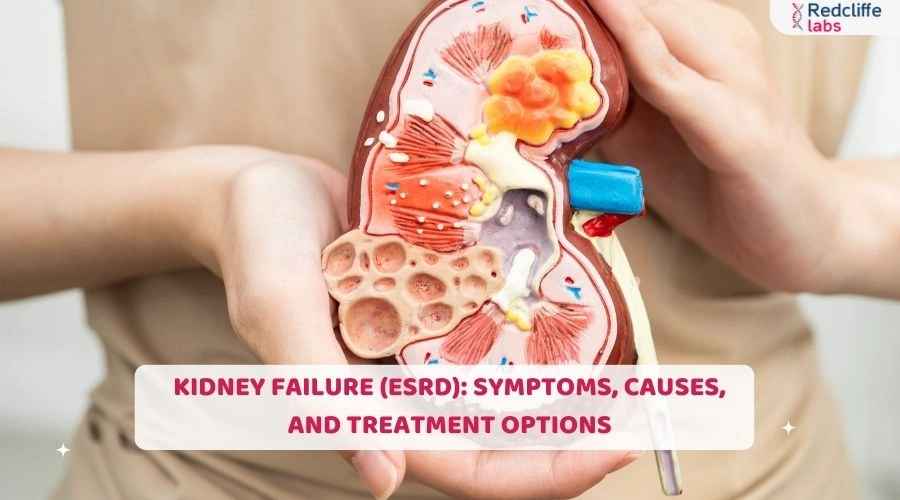
One of the main reasons why so many people overlook the earliest warning signs of kidney problems is the fact that symptoms develop very slowly and can quite easily be confused with everyday fatigue or dehydration. A person may have itchy skin (pruritus) or get tired very quickly, or notice that their urination has changed, yet they may not realize right away that their kidneys are no longer functioning properly. These small and subtle signs are actually the very first indicators of a potentially life-threatening disease called Kidney Failure or End Stage Renal Disease (ESRD).
The kidneys are crucial for filtering blood, balancing body fluids, and regulating mineral levels. If the kidneys fail to function well, harmful substances and fluids can build up in the blood, leading to dysfunction of various organs and body systems.
So, what is kidney failure really? What causes it, and which signs and symptoms should you recognize? By being aware of the symptoms, causes, and treatment options for kidney failure (ESRD), people will be better able to identify signs early and take medical steps promptly.
What Is Kidney Failure (ESRD)?
Kidney failure, or End-Stage Renal Disease (ESRD), is a condition in which the kidneys are unable to remove waste products and excess fluids from the blood effectively.
The National Kidney Foundation states that ESRD is the stage of kidney failure in which kidney function falls below 10-15% of normal.
Our kidneys are essential for several processes that contribute to our health.
Kidney failure results in a dramatic loss of these functions.
Consequently, the body gets loaded with dangerous waste substances, which, if not treated, can cause major health problems.
Causes of end-stage renal disease
Kidney failure usually develops gradually due to long-term kidney damage. There are numerous health issues and lifestyle choices that can increase the risk of developing end-stage renal disease.
Common causes of kidney failure include:
1 . Diabetes - When a patient has high blood sugar levels, the tiny blood vessels and tissues of the kidneys get damaged.
2 . Hypertension (high blood pressure) - The continuing high blood pressure damages kidney tissue over time.
- Chronic kidney disease (CKD) - Progressive deterioration of the kidneys.
- Glomerulonephritis - The inflammation of the filtering units of the kidneys.
- Polycystic Kidney Disease (PKD) - A genetic disorder that involves the development of multiple cysts within the kidneys.
- Recurrent kidney infections.
- Long-term use of certain medications, especially NSAIDs.
- Blockage of the urinary tract by kidney stones or an enlarged prostate.
According to the World Health Organization, diabetes and hypertension account for the majority of cases of end-stage renal disease throughout the world.
Symptoms of Kidney Failure
Symptoms of kidney failure generally develop slowly, and by the time most people notice changes, the kidneys will have lost a significant amount of their function.
Some of the most common symptoms are:
- Persistent fatigue or weakness
- Swelling in the feet, ankles, or legs (edema)
- Shortness of breath
- Nausea or vomiting
- Loss of appetite
- Difficulty concentrating
- Dry or itchy skin
- Muscle cramps
- Changes in urination (too frequent or too little)
- Foamy urine (protein in urine) or dark-colored urine
- Trouble sleeping
In advanced stages, additional symptoms may appear:
- Chest pain due to fluid buildup
- Severe swelling in the body
- Confusion or mental changes
- Persistent high blood pressure
If these symptoms continue or worsen, a medical evaluation is important to determine kidney function and underlying causes.
When Does Kidney Disease Become Dangerous?
Kidney disease is only really harmful when it leads to a substantial deterioration of kidney function, so that the body is no longer able to eliminate waste efficiently.
One way doctors can quantify kidney function is through a Glomerular Filtration Rate (GFR) test.
The essence of this test is to gauge how effectively the kidneys filter the blood.
Typically, kidney disease Stages are divided into 5 groups:
Stage 1: Kidney damage with normal function.
Stage 2: Mild decrease in kidney function.
Stage 3: Moderate renal impairment.
Stage 4: A marked decrease in kidney function.
Stage 5 (ESRD): Complete kidney failure necessitating dialysis or a transplant.
When kidney function falls below 15%, the body loses the ability to maintain a normal chemical balance, and medical intervention becomes indispensable.
Kidney disease staging:
|
Stage |
GFR |
|
Stage 1 |
≥90 |
|
Stage 2 |
60-89 |
|
Stage 3 |
30-59 |
|
Stage 4 |
15-29 |
|
Stage 5 (ESRD) |
<15 |
Treatment Options for Kidney Failure (ESRD)
While in most cases it is not possible to reverse kidney failure, there are different treatment options available that can help to control the symptoms of the disease and increase survival.
1. Dialysis
Dialysis is a medical procedure that removes waste, toxins, and excess body fluids when the kidneys have lost their ability to function.
There are two primary types:
- Hemodialysis: The blood is passed through a dialysis machine, where it is cleaned.
- Peritoneal dialysis: A cleansing fluid is introduced into the peritoneal cavity to remove waste.
Dialysis helps maintain the body's chemical balance; however, it does not cure kidney disease.
2. Kidney Transplant
A kidney transplant is a surgical procedure that involves placing a healthy kidney into a person with a damaged kidney.
Among the advantages of kidney transplantation are:
- Better quality of life
- Fewer restrictions in the diet
- No long-term dialysis required
On the other hand, patients need to use anti-rejection medications to be able to keep the transplanted organ.
3. Medications and Supportive Care
They may advise you to take some medicines to relieve symptoms and prevent complications like:
- Pharmaceuticals for arterial hypertension
- Medications to control potassium levels
- Medication for anemia
- Vitamin and mineral supplements
Besides these, lifestyle changes such as following a kidney-friendly diet, managing your fluid intake, and going for regular medical checkups are also very important for treatment.
How to Reduce the Risk of Kidney Failure
Not all cases of kidney disease can be prevented, but some lifestyle choices can greatly reduce the risk.
Healthy practices include:
- Controlling blood sugar levels if you have diabetes
- Managing high blood pressure
- Drinking adequate water
- Limiting excessive salt intake
- Avoiding long-term use of painkillers without medical advice
- Maintaining a healthy body weight
- Exercising regularly
- Getting routine health checkups
One benefit of early detection of kidney problems is that it can delay disease progression and help prevent complications.
When Should You Consult a Doctor?
You should consult a doctor if you experience persistent symptoms such as swelling, unusual fatigue, or changes in urination.
People who have other health conditions like diabetes, high blood pressure, or a family history of kidney disease need to be very careful.
The doctor will probably suggest some diagnostic tests, such as:
- Blood tests to measure creatinine and GFR
- Urine tests to check the presence of protein and other abnormalities.
- Ultrasound
- Kidney biopsy
These tests help identify kidney damage early and guide appropriate treatment.
Conclusion
Kidney failure or end-stage renal disease (ESRD) is a critical condition in which the kidneys can't effectively remove waste and maintain the right fluid levels in the body. Unfortunately, the disease may develop slowly, with no clear symptoms at first.
A few signs might be tiredness, swelling, or changes in urination.
Knowing the causes and symptoms of kidney failure is the first step to recognizing warning signs and seeking timely medical attention.
Early diagnosis, appropriate treatment, and a healthy lifestyle significantly improve one's condition and quality of life.
Those with a high risk of developing kidney disease must have regular health checkups and kidney function tests.
Diagnostic services such as Redcliffe Labs are great facilities that offer regular blood and urine tests to measure kidney health, which is the best way to spot and manage kidney-related disorders at the earliest.
Key Takeaway:
- Pay attention to persistent symptoms such as swelling or fatigue.
- Monitor your blood sugar and blood pressure effectively.
- Maintain a kidney-friendly lifestyle.
- Get regular kidney function tests to detect early.
FAQs
What are the early signs of kidney failure?
It is difficult to identify early symptoms of kidney failure as they usually progress slowly, and the changes can be quite subtle. People have been reporting the following symptoms as early signs of kidney malfunction:
- Constant tiredness
- Swelling in the feet or lower legs
- Frequent urination
- Muscle pain or cramp
- Feeling sick or vomiting
- Difficulty focusing, etc.
Some may even experience foamy or dark-colored urine. If the symptoms do not go away, make sure to see a doctor for an accurate diagnosis.
Can kidney failure be cured?
Complete cure of kidney failure is a rarity, especially in the final stage of the disease. Dialysis and kidney transplantation are the treatment methods that not only help manage the ailment but also maintain the body's vital functions. Early diagnosis and appropriate treatment may slow disease progression, improve the patient's quality of life, and enable them to live longer with proper medical care.
Who is at risk of kidney failure?
There is a greater probability of kidney failure in people with certain existing medical conditions. These cover diabetics, people with elevated blood pressure, heart disease, or those with kidney disease in the family. Prolonged use of some drugs, smoking, and poor lifestyle choices can also contribute to the risk of kidney damage in the long run.
How is kidney failure diagnosed?
Doctors diagnose kidney failure by performing a range of tests that assess kidney function and detect abnormalities. Doctors diagnose kidney failure using:
- Blood tests (creatinine and GFR)
- Urine tests to detect protein or albumin
- Imaging tests such as ultrasound
- Kidney biopsy (if needed)
Can lifestyle changes prevent kidney disease?
Adopting a healthy lifestyle can significantly reduce the risk of kidney disease and help delay its progression. The most important thing is to control blood pressure and blood sugar properly.
Some other measures that will be helpful include: maintaining a balanced diet, limiting the amount of salt you add to food, being physically active, staying hydrated, and avoiding overuse of certain types of pain-relief medication without a doctor's advice.