Is the World Getting Sicker or Warmer?

Medically Reviewed By
Dr Sohini Sengupta
Written By Komal Daryani
on Jun 5, 2024
Last Edit Made By Komal Daryani
on Jul 19, 2025

The relationship between rising global temperatures and an increase in the burden of disease is more nuanced and complex than the general public believes. While other factors influence the spread of some infectious diseases besides temperature rise, climate change can have a major effect.
What does the World Health Organization say?
According to the World Health Organization (WHO), it is expected to cause around 2,50,000 deaths every year between 2030 and 2050 from undernutrition, diarrhea, malaria, and heat stress.
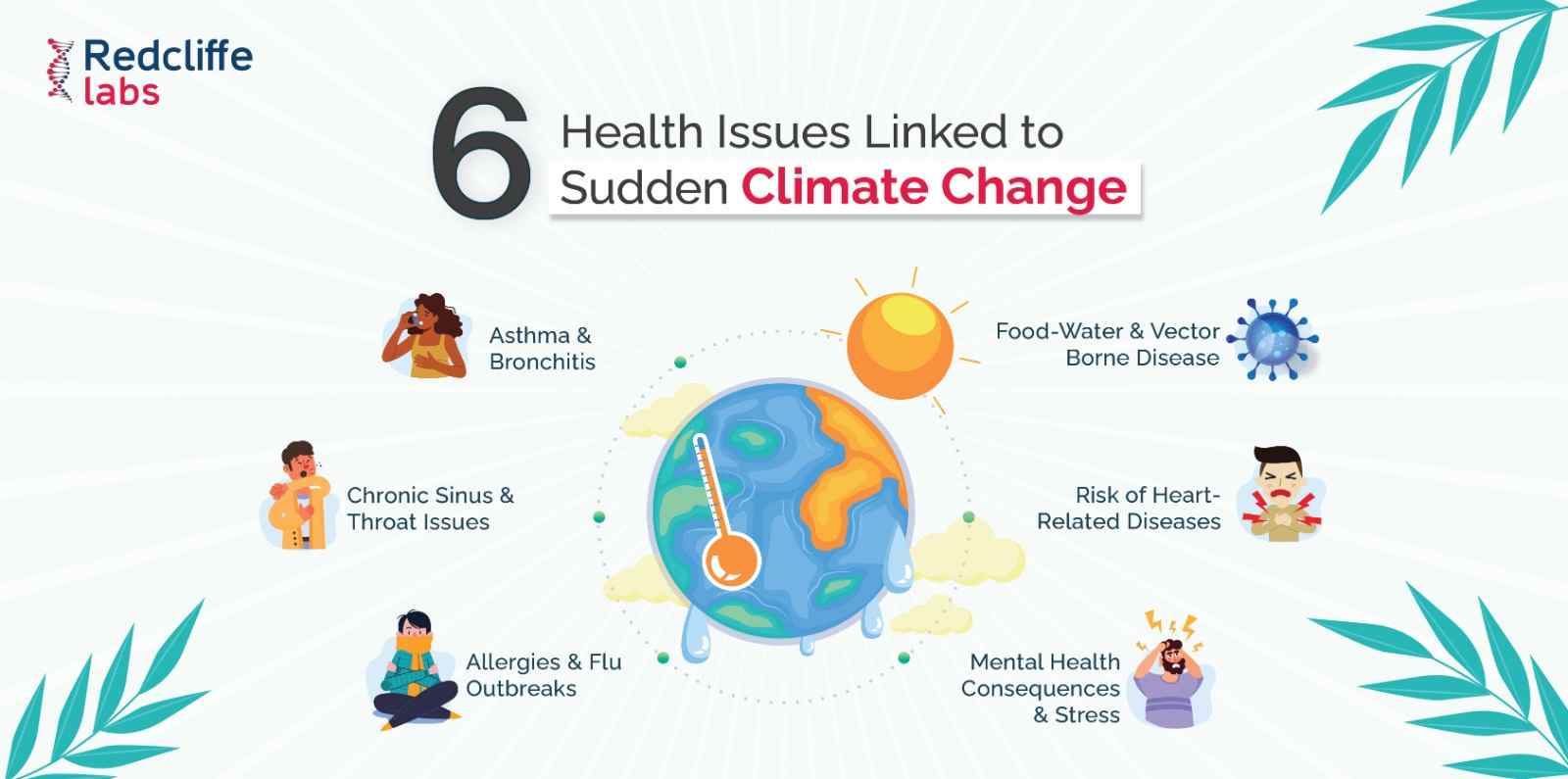
The health effects of climate change also include
- Respiratory and heart diseases
- Pest-related diseases such as Lyme disease and West Nile virus, water- and food-related illnesses
- Injuries and deaths
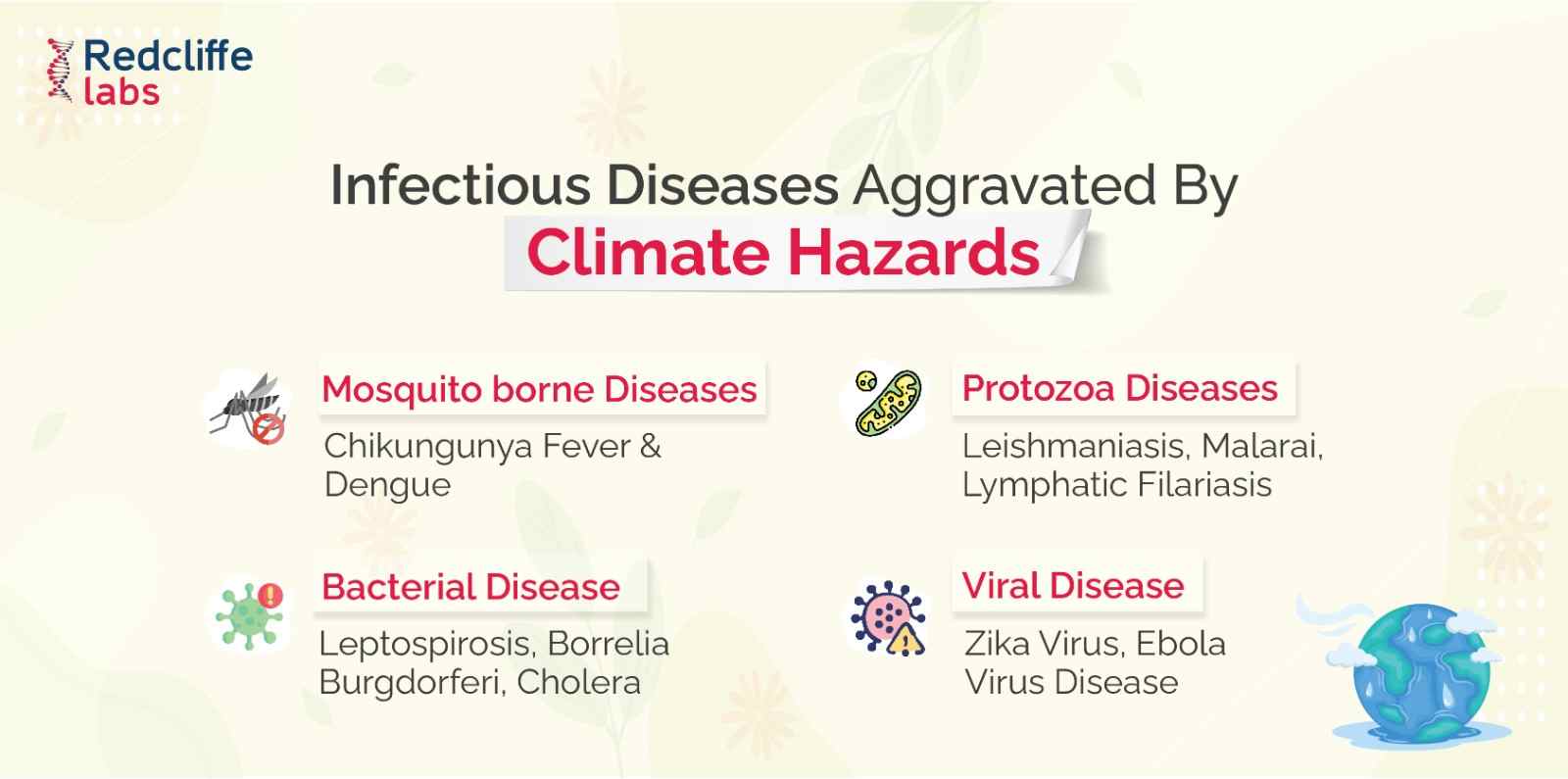
Certain studies also suggest that global warming may facilitate the spread of disease-carrying insects such as ticks and mosquitoes, thereby exposing previously uninfected populations to diseases like malaria and encephalitis.
Furthermore, in warmer climates, pathogens and their carriers might mature and increase more quickly. However, other research indicates that disease outbreaks and climate change may not always correlate directly. One study on tick-borne encephalitis, for example, found a higher correlation in the Baltics.
For instance, a study on tick-borne encephalitis in the Baltics discovered that the 1990s disease surge was not only caused by rising temperatures but also by socioeconomic factors such as poverty and lower vaccination rates after the fall of the Soviet Union.
Clinical picture of tick-borne encephalitis:
- It is studied as a two-phased illness. The symptoms of first-phase illness include fever, fatigue, headaches, and nausea.
- The second-phased illness is associated with the neurological system with symptoms of inflammation from membranes, causing headaches, fevers, and a stiff neck.
Similarly, a science study argued that while climate change is favoring infectious diseases by disrupting ecosystems, there are a variety of ecological, social, and economic factors that are dependent on the impact of global warming on the spread of specific diseases.
The three major effects of climate change on ecosystems are
- It overwhelms the capacity of ecosystems to create extreme disturbances such as wildfires, floods, and droughts.
- The largest contributors to global climate change are fossil fuels, coal, oil, and gas. They are responsible for over 75 percent of global greenhouse gas emissions and approximately 90 percent of all carbon dioxide emissions.
- Already witnessing effects scientists predicted a long time ago: sea ice loss, longer, more intense heat waves, and accelerated sea level rise.
Climate change poses serious challenges to international health systems and significantly impacts the emergence and spread of infectious diseases. Climate change also affects the survival, reproduction, and transmission of pathogens, particularly those that are carried by mosquitoes as vectors and affect diseases like dengue and malaria. The conditions that allow infectious diseases to spread more easily due to climate change impact human health worldwide.
Five Ways to Tackle Climate Change
The effects of climate change are threatening our health, our economy, our communities, and our children’s future.
Here are a dozen easy and effective ways that can help combat climate change, including
- Educating girls is important
Girls’ education strengthens economies. Educated girls can build a better future by participating in the decisions that affect their lives.
- Use renewable energy at home.
Power your home with solar energy. It is renewable, sustainable, clean, and produces no air or water pollution.
- Buy energy-efficient appliances.
You can invest in energy-efficient appliances as they deliver several environmental benefits. They are eco-friendly devices that lower greenhouse gas emissions and other pollutants, as well as reduce water use.
- Sustainable Agriculture
It benefits the environment by reducing soil degradation and saving water. Also, it reduces greenhouse gas emissions and enhances carbon sequestration.
- Switch to an electric vehicle.
Using an electric vehicle can help reduce footprint emissions, and there will be zero to no tailpipe emissions.
The final verdict
Climate change has a major effect on spreading and transmitting infectious diseases. Cholera and other water-borne illnesses could become more prevalent due to climate change. Studies reveal that variations in temperature, precipitation, and humidity affect the transmission of infectious diseases. The Intergovernmental Panel on Climate Change has raised awareness of the potential for global health risks associated with climate change to increase.