How to Stop Vomiting Immediately: Quick Relief Tips

Hey!
Have you ever experienced vomiting? That yuck feeling caused by nausea; forceful expulsion you need to vomit.
There is no specific reason for vomiting. It can occur due to several causes, including infections, food poisoning, pregnancy, motion sickness, anxiety, etc.
While vomiting is the only way your body expels toxins or irritants, frequent vomiting can result in dehydration and weakness. If you are wondering how to stop immediately; this guide covers effective home remedies, quick relief tips, and when to seek medical help.
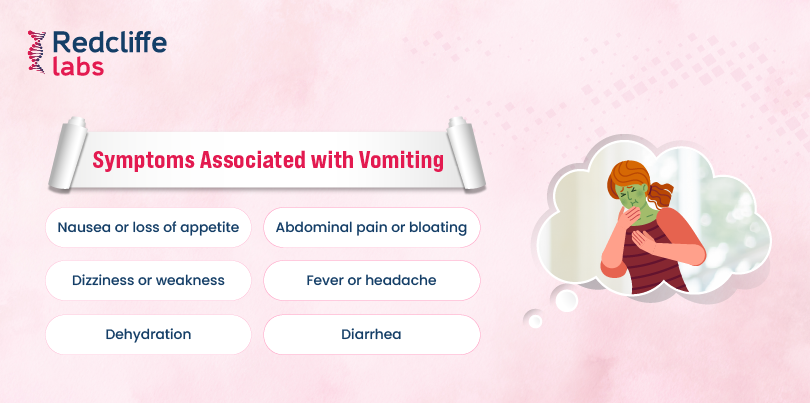
Possible Causes of Vomiting
You may feel nauseous because of:
- Food poisoning or stomach infection (gastroenteritis)
- Overeating or indigestion
- Motion sickness or migraine
- Pregnancy (morning sickness)
- Side effects of medications
- Acid reflux or gastritis
- Anxiety or stress
7 Natural Remedies To Stop Vomiting
When nausea or vomiting begins, try these simple yet effective steps for quick relief:
1. Sit up and relax
Do not lie flat right after vomiting. It's best to remain upright or reclined to minimize the acid flowing out of your stomach and reduce the chances of more vomiting. This also helps calm your digestive system and reduces the risk of acid reflux.
2. Take small sips of water
It's important to rehydrate by taking small sips of water, electrolyte solution, or ORS (oral rehydration solution) every few minutes to replace fluids lost. Don't gulp it, as it might aggravate nausea. Once your body has tolerated fluids well, slowly increase the intake and stay hydrated.
3. Ginger
Ginger is an effective remedy for nausea and vomiting. It works by soothing the stomach and improving digestion, while also suppressing the urge to vomit. You can drink ginger tea or chew fresh ginger. Take ginger capsules only if your doctor recommends.
4. Use peppermint or lemon
Peppermint and lemon have natural soothing qualities. Smell peppermint oil, drink peppermint tea, or add lemon juice to warm water to calm your stomach. These drinks help relax the digestive muscles and lessen the feeling of nausea, providing quick relief from the urge to vomit.
5. Avoid solid foods for a few hours
Allow your stomach to rest. Once you feel better, try bland foods such as:
- Bananas (B)
- Rice ®
- Applesauce (A)
- Toast (T)
This is known as the BRAT diet. Additionally, boiled or mashed potatoes, plain crackers, oatmeal/porridge or plain yogurt are gentle on the stomach. Consuming these foods help replenish nutrients, and minimize the chance of triggering nausea again.
6. Apply a cool compress
Applying a cold, damp cloth on your forehead or the back of your neck can help get relief from nausea and calm your body. Additionally, it aids in lowering your body temperature, but mostly it is a soothing distraction from your discomfort.
7. Try deep breathing
Slow, deep breathing can relax the diaphragm and reduce nausea. Inhale through your nose slowly, hold for three seconds, and exhale gently through your mouth. Practicing this for a few minutes can help calm your nervous system, reduce anxiety, and ease the stomach. You can combine this activity with sitting upright and sipping small amounts of water for overall relief.
What You Should Do After Vomiting to Prevent Dehydration?
Trying these fluids can help you recover faster and prevent dehydration:
- ORS or electrolyte drinks
- Coconut water
- Clear soups or broths
- Ginger or chamomile tea
- Plain water in small sips
Foods to Eat & Avoid After Vomiting
Below is a table showing what foods you can add or remove from your diet after vomiting:
| Best Foods To Eat After Vomiting | Foods to Avoid After Vomiting |
| 1. Start with light, bland meals (like porridge, plain rice or oatmeal, or toast). | 1. Spicy foods, fried or greasy foods. |
| 2. Include boiled potatoes, yogurt, or plain khichdi. | 2. Avoid milk or heavy dairy. |
| 3. Clear fluids (water, coconut water, herbal teas, broths) & plain soups. | 3. Acidic foods such as citrus and tomatoes). |
| 4. Gelatin or popsicles. | 4. Caffeinated drinks & alcohol |
| 5. Bananas | 5. Highly processed or heavy meals. |
Things You Should Avoid After Vomiting
Here are some don’ts to help your body recover:
- Do not eat immediately after eating-Allow at least 30-60 minutes for the stomach to settle.
- Do not brush your teeth immediately- Stomach acid can enter your mouth and may erode your enamel.
- Avoid lying down flat- This can prevent acid reflux and nausea.
- Stay away from strong perfumes, smoke or cooking smells-They may trigger nausea.
- Do not indulge in strenuous exercises- Take adequate rest, gentle movement encourages smooth recovery.
Note: Vomiting in infants, children, elderly, or immunocompromised is more serious; they should contact a doctor sooner.

When to Contact A Doctor?
Occasional vomiting needs no medical attention. It can settle itself. You should contact a doctor immediately:
- If vomiting persists for more than 24 hours.
- Blood in vomit, or coffee-ground-like material.
- You have severe abdominal pain, dizziness, or confusion
- Symptoms of dehydration such as dry mouth, low urine, or fatigue
- A child or older adult faces cyclic vomiting syndrome (CVS). This refers to recurrent episodes of vomiting that have no apparent cause.
Consequently, your doctor may recommend tests like a CBC, stool test, or ultrasound abdomen to find the root cause.
Why Wait? Get the Root of Your Discomfort Today!
At Redcliffe Labs, you can safely book CBC, stool tests, or abdominal ultrasound tests directly from your own home and trust that you will receive accurate results within a given time frame. Book your test today and take the next step toward better health!
Step-by-Step Guide to Book A Test With Us?
- Visit the official Redcliffe Labs website: https://redcliffelabs.com/.
- Browse or search for the specific test you need.
- Add the test to the cart.
- Complete the payment process online.
- You will receive confirmation through SMS and WhatsApp.
Prevention Tips
Here is how you can prevent vomiting tips in future:
- Have frequent smaller meals instead of large meals.
- Avoid stale, spicy, or oily foods.
- Drink water throughout the day.
- Wash your hands before meals to avoid stomach infections.
- Use relaxation techniques to decrease stress and anxiety.
Key Takeaways
Vomiting is uncomfortable and gives you a yucky feeling, but often self limiting. To help yourself recover faster, rest, hydrate, and use natural remedies like ginger or peppermint tea. However, track persistent or severe vomiting as it requires medical attention to rule out the underlying cause such as infection, gastritis, or other digestive issues.
FAQs
1. When should I see a doctor?
You should seek medical care if your vomiting has been persistent, severe, or has occurred alongside any of the following: high fever, severe abdominal pain, blood in your vomit, dizziness, or signs of dehydration. Seeking medical care promptly will help identify any underlying causes, and help to prevent complications.
2. Can frequent vomiting indicate a serious condition?
Yes. Regular vomiting can signify infections, gastrointestinal disorders, migraines, complications from pregnancy, or metabolic concerns. Suppose you have persistent vomiting for more than 1 day or is severe vomiting. In that case, it’s essential to see a physician to rule out serious concerns and prevent dehydration or loss of nutrients.
3. Can vomiting lead to dehydration?
Absolutely. Vomiting causes fluid and electrolyte loss, leading to dehydration. Symptoms may include dry mouth, low urine output, dizziness, or weakness. Rehydrating with water, ORS, or electrolyte drinks is essential to restore lost fluids and maintain overall health.
4. What should I eat or drink after vomiting?
Begin with mild, bland foods like bananas, rice, toast, or oatmeal. Drink in small amounts of water, ORS, coconut water, or herbal teas. Avoid spicy, greasy, or acidic foods until your stomach settles. Gradually reintroduce everyday meals to reduce the risk of nausea recurrence.
5. Can I book a CBC test at home?
Yes. Many diagnostic labs, including Redcliffe Labs offer home collection services. A trained technician visits your home, collects the sample, and sends it to the lab. You can book appointments online or via lab customer service for convenience and safety.