How to Cure Sinus Permanently - Causes, Treatments & Long-Term Relief

Medically Reviewed By
Dr. Mayanka Lodha Seth
Written By Kirti Saxena
on Mar 10, 2026
Last Edit Made By Kirti Saxena
on Mar 13, 2026
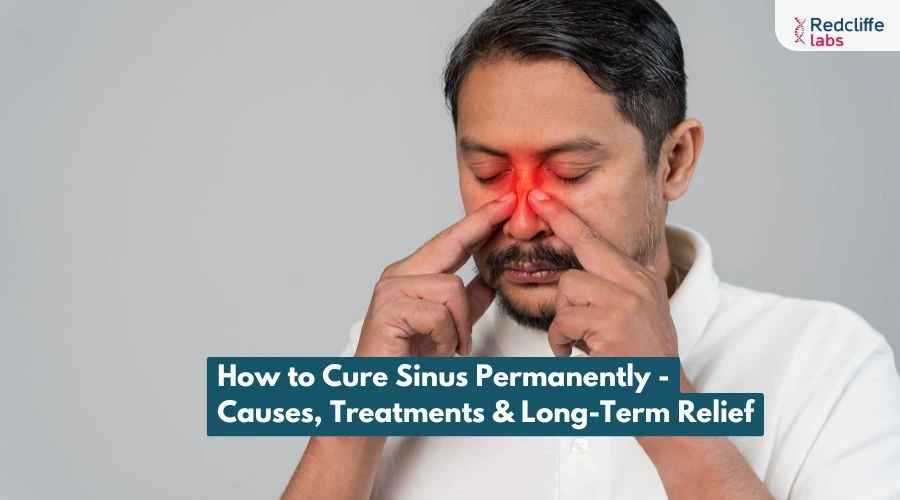
Do you wake up every morning with a blocked nose? Do you feel pressure around your eyes or forehead that irritates you and does not go away? Do you struggle with frequent colds that keep coming back every week?
Many people ignore these symptoms at first because they seem like a cold or seasonal allergy. They take temporary relief medications, use steam inhalation, or use nasal sprays. But the symptoms come back in a few days. If this sounds familiar to you, it means you are dealing with sinusitis, a condition that affects millions of people worldwide.
Sinusitis affects more than 30 million people every year. Studies also show that chronic sinusitis significantly impacts quality of life by causing constant discomfort, fatigue, sleep disturbance, and breathing difficulties. The good news is that sinus problems can be managed effectively. In this article, let's talk about how to cure sinusitis permanently and improve your respiratory health.
What Is Sinusitis?
Sinuses are air-filled cavities located inside the bones of the face, especially around the nose, forehead, and eyes. These cavities produce mucus that helps keep the nasal passages moist and trap dust, bacteria, and allergens.
However, when these openings become blocked, mucus accumulates. This buildup creates an ideal environment for germs to grow. As a result, inflammation and infection develop. Doctors call this condition sinusitis. Sinusitis causes swelling of the sinus lining, which leads to symptoms such as nasal congestion, facial pressure, headache, and difficulty breathing.
You May Also Read: https://redcliffelabs.com/myhealth/allergy/understanding-sinus-infections-symptoms-and-causes/
Types of Sinusitis
Doctors classify sinusitis based on how long the symptoms last.
- Acute Sinusitis: Acute sinusitis usually follows a viral infection, such as the common cold. The symptoms last less than four weeks and often improve with proper treatment.
- Subacute Sinusitis: Subacute sinusitis lasts between four and twelve weeks. The infection may persist even after the initial cold or allergy symptoms disappear.
- Chronic Sinusitis: Symptoms persist for more than 12 weeks despite treatment. This condition often requires long-term management.
- Recurrent Sinusitis: Recurrent sinusitis occurs when a person experiences multiple sinus infections in a year. Each infection may last several weeks
Common Symptoms of Sinus Problems
Sinusitis can cause a wide range of symptoms. Some people experience mild discomfort, while others experience severe pain and breathing difficulty.
- Nasal Congestion: One of the most common signs of sinusitis. The lining of the nose becomes swollen due to inflammation, blocking the nasal passages and making breathing through the nose difficult.
- Facial Pain or Pressure: Inflammation in the sinuses creates facial pressure. People often feel pain around the forehead, cheeks, eyes, and nose. This discomfort may worsen when bending forward or lying down.
- Headache: Sinus headaches usually result from increased pressure in the sinus cavities. The pain typically develops in the forehead, temples, or behind the eyes.
- Thick Nasal Discharge: Sinus infections often cause thick mucus discharge from the nose. The mucus may appear yellow or green and may drain either through the nose or down the back of the throat.
- Loss of Smell: Inflammation in the nasal passages can block the receptors that detect smell. As a result, many people with sinusitis notice a reduced or complete loss of smell.
- Post-Nasal Drip: Post-nasal drip occurs when mucus flows down the back of the throat instead of draining through the nose. This condition can cause throat irritation, coughing, and a constant need to clear the throat.
- Tooth Pain: The roots of the upper teeth sit very close to the sinus cavities. When the sinuses become inflamed, pressure may spread to the upper jaw and teeth. This pressure can cause tooth pain or tenderness, especially in the back teeth.
- Fatigue: Sinus congestion can cause breathing difficulties, and the body expends extra energy fighting infection and inflammation, leading to fatigue and low energy levels.
Major Causes of Sinusitis
Sinusitis can develop for several underlying reasons. Identifying the root cause helps doctors provide the most effective treatment.
Infections
Many sinus infections begin with respiratory infections.
- Viral infections: The common cold often causes sinus inflammation. Viral infections block the sinus openings, leading to mucus buildup.
- Bacterial infections: Bacteria may grow in trapped mucus after a viral infection. This condition leads to bacterial sinusitis.
- Fungal infections: Fungal sinus infections occur less frequently. However, they may develop in people with weakened immune systems.
Structural Problems
Certain anatomical issues can block sinus drainage.
- Deviated nasal septum: The nasal septum divides the nose into two passages. If the septum bends to one side, it can block sinus openings.
- Nasal polyps: Nasal polyps are soft, non-cancerous growths that develop inside the nasal lining. These growths can obstruct sinus drainage.
- Enlarged adenoids: Children sometimes develop enlarged adenoids that block nasal airflow and cause sinus infections.
Allergies
Allergies often trigger sinus inflammation. Common allergy triggers include:
- Dust: Dust often contains dust mites, tiny organisms that live in bedding, carpets, and furniture. When dust particles are inhaled, they can trigger allergic reactions such as sneezing, congestion, and sinus pressure.
- Pollen: During certain times of the year, pollen levels in the air increase significantly. People who are sensitive to pollen may experience symptoms such as a runny nose, itchy eyes, nasal congestion, and sinus inflammation.
- Pollution: Air pollution, including smoke, vehicle emissions, and industrial pollution, can worsen allergic reactions and increase the risk of chronic sinus problems.
- Pet dander: Pet dander consists of tiny flakes of skin shed by animals such as dogs, cats, and other furry pets. People who are sensitive to pet dander may develop allergy symptoms when they come into contact with these particles.
Allergic reactions cause swelling in the nasal passages, blocking sinus drainage.
Other Risk Factors
Certain lifestyle factors also increase the risk of sinusitis.
- Smoking irritates the respiratory tract.
- Weak immunity increases infection risk.
- Frequent respiratory infections damage sinus tissues.
- Air pollution irritates the nasal lining.
Can Sinus Be Cured Permanently?
Yes, Sinus can be cured permanently, but it depends on the underlying cause of sinus. If the cause is bacterial, proper treatment can resolve the problem at its root. However, if allergies, chronic inflammation, or abnormalities are the cause of sinusitis, then the condition may. It takes a long time to manage.
Always consult your doctor to identify the root cause of sinus blockage. Once the cause is addressed, your condition can be properly managed and treated.
Medical Treatments for Sinusitis
Doctors use different treatments depending on the severity and cause of sinusitis.
Medications
Doctors may prescribe several medications to reduce inflammation and clear sinus blockage.
- Decongestants: It helps reduce nasal congestion and improve airflow.
- Antihistamines: Antihistamines help control allergy-related sinus symptoms.
- Nasal corticosteroid sprays: Steroid sprays reduce inflammation in the nasal lining.
- Antibiotics: Doctors prescribe antibiotics when bacterial infections cause sinusitis.
- Pain relievers: Pain medications reduce headaches and facial pressure.
Allergy Treatment for Sinusitis
Doctors often recommend allergy management for patients with allergy-related sinusitis. Common options include:
- Allergy medications
- Immunotherapy
These treatments reduce allergic reactions and prevent sinus inflammation.
Nasal Irrigation for Sinusitis
Doctors often recommend nasal irrigation to improve sinus drainage.
Common options include:
- Saline nasal sprays
- Neti pot rinses
Saline rinses flush out mucus, allergens, and irritants from the nasal passages.
Surgical Options for Permanent Sinus Relief
Doctors may recommend surgery when medications and lifestyle changes do not provide relief. Surgery improves sinus drainage and removes blockages.
- Functional Endoscopic Sinus Surgery (FESS): FESS is one of the most common sinus surgeries. During this procedure, doctors use a thin instrument with a camera to remove tissue blockages and widen sinus openings. This surgery improves sinus ventilation and drainage.
- Balloon Sinuplasty: A minimally invasive procedure. Doctors insert a small balloon into the blocked sinus passage and inflate it to open the sinus cavity. This method improves drainage without removing tissue.
- Septoplasty: Septoplasty corrects a deviated nasal septum. This procedure straightens the nasal septum and improves airflow through the nasal passages. These surgical procedures often provide long-term relief when structural issues cause sinus problems.
Home Remedies That Help Manage Sinus
Sinus cannot be treated with home remedies, but some can relieve your symptoms and provide comfort.
- Steam Inhalation: Steam inhalation loosens mucus and improves sinus drainage.
- Warm Compress: Applying a warm compress to the face reduces sinus pressure and pain.
- Drinking Warm Fluids: Warm fluids help thin mucus and improve sinus drainage.
- Saline Nasal Rinse: Saline rinses remove allergens and irritants from the nasal passages.
- Ginger and Turmeric are herbs with anti-inflammatory properties that support respiratory health.
- Honey and Warm Water: Honey helps soothe a sore throat caused by post-nasal drip. However, these remedies help manage symptoms. They may not cure chronic sinusitis without proper medical treatment.
Lifestyle Changes to Prevent Sinus Problems
Healthy lifestyle habits can significantly reduce the risk of sinus infections.
- Improve Indoor Air Quality: To avoid sinus triggers, use air purifiers, minimize exposure to dust, and maintain a clean indoor environment.
- Stay Hydrated: Drinking enough water helps thin mucus and improve sinus drainage.
- Strengthen Immunity: A strong immune system helps the body fight infections effectively. Healthy habits include a balanced diet, vitamin C-rich foods, and exercising daily.
- Avoid Triggers: Common sinus triggers include smoke, pollution, and allergens. Reducing exposure to these triggers prevents sinus inflammation.
When Should You See a Doctor?
Some sinus symptoms require medical attention. You should consult a doctor if:
- Symptoms last longer than 10 days.
- Severe facial pain develops.
- High fever occurs
- Sinus infections occur repeatedly.
- Symptoms return frequently
Doctors may perform several diagnostic tests to confirm a diagnosis of sinusitis.
These tests include:
- Physical examination
- Nasal endoscopy
- CT scan
- Allergy testing
Accurate diagnosis helps doctors determine the most effective treatment.
Role of Diagnostic Tests in Sinus Problems
Diagnostic tests help identify the exact cause of sinus problems.
Doctors may recommend:
- Allergy tests: Get IgE total and Allergy panel test from Redcliffe Labs to know if the cause of sinus is allergic. The test may help you identify environmental triggers that cause sinus inflammation.
- Infection tests: PCR or Nasal Swab/Culture tests detect bacterial or fungal infections.
- Imaging tests: CT or MRI scans provide detailed images of the sinuses and can identify blockages.
- Blood tests: Get a CBC, IgG, IgA, CRP, and ESR to evaluate immune function and detect infections.
These diagnostic tests are essential for accurately identifying the cause of sinus problems. They help doctors identify the true cause so they can start treatment, ensuring you receive the most appropriate treatment and long-term relief from sinus symptoms.
Final Thoughts
Sinus problems affect millions of people worldwide and often disrupt daily life. But it is manageable and treatable with the right approach. If you have constant congestion, facial pressure, and breathing issues, then you must get tested as early as possible.
Proper diagnosis, medical treatment, lifestyle changes, and preventive care work together to reduce sinus symptoms and prevent future infections. Get tested with Redcliffe Labs and get the accurate reports on time. Book your test today to improve your overall quality of life.
FAQ's
What is the fastest way to cure sinusitis?
To cure sinusitis quickly, doctors usually recommend steam inhalation, saline nasal spray, decongestants, and proper hydration. To treat bacterial infections, doctors may prescribe antibiotics to speed recovery.
When is a sinus infection serious?
A sinus infection becomes serious if symptoms last longer than 10 days, cause high fever, severe headache, swelling around the eyes, or vision problems. Always consult a doctor immediately to prevent complications and receive proper medical treatment.
What kills a sinus infection naturally?
Natural remedies that help fight sinus infections include steam inhalation, warm fluids, saline nasal rinses, and proper rest. These methods help clear mucus and reduce inflammation. Drinking warm water or herbal teas can also soothe irritated nasal passages and support recovery.
Can sinus problems be cured permanently?
Many sinus problems can be controlled long-term by treating the root cause. Managing allergies, avoiding triggers, maintaining good nasal hygiene, and treating infections early help prevent recurrence.
What drinks cure sinuses?
Warm drinks help relieve sinus symptoms by thinning mucus and reducing congestion. Herbal tea, ginger tea, warm lemon water, and clear soups are helpful. Also, keep yourself hydrated throughout the day.
What is the root cause of sinusitis?
Sinusitis occurs when the openings of the sinuses become blocked, and mucus builds up. Common causes include allergies, viral infections, bacterial infections, nasal polyps, or a deviated septum.