How Does Drinking Water From Copper Vessels Impact Liver Health?

Medically Reviewed By
Dr Divya Rohra
Written By Kirti Saxena
on Feb 3, 2024
Last Edit Made By Kirti Saxena
on Jan 7, 2025
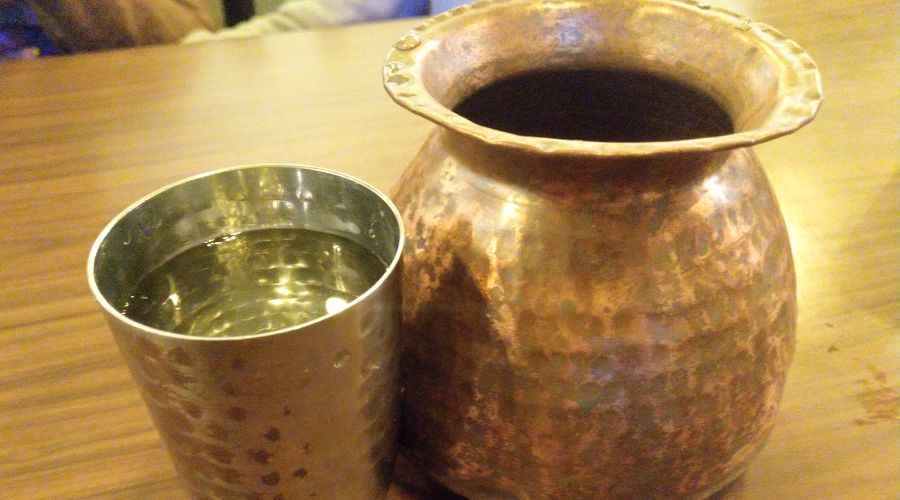
Do you prefer to drink water from copper vessels? Your answer might be Yes. Well, drinking water from copper vessels has been a tradition in different cultures for centuries due to its health benefits. Copper is an essential mineral that promotes bone health and aids energy production and brain function. But did you know that excessive copper consumption can affect your liver? Yes, you heard this right! Too much copper consumption can accumulate in the liver and cause copper toxicity. It can lead to many health complications like liver and kidney diseases, cardiovascular disease, osteoporosis, and cancer. In some people, drinking copper water can also cause symptoms like nausea, vomiting, diarrhea, and, in severe cases, liver damage. But what’s the solution? Copper is good for you, but too much can be bad. If you overdo it, your liver has trouble dealing with it, causing liver damage. To promote liver health when drinking from copper vessels, always use high-quality vessels and consult your doctors if you have concerns about liver health—getting a copper serum test to know the copper levels in your body. Let’s understand how drinking water from copper vessels affects your liver health.
Are there Benefits of Drinking water from Copper vessels?
Well, the answer is Yes. Drinking water from copper vessels has many benefits for your liver and overall health. Let’s read how it benefits your liver health.
Improved digestion
Copper promotes the production of digestive enzymes, enhances stomach function, and reduces the stress on the liver. In addition to this, drinking copper water may help to relieve symptoms of indigestion and constipation.
Antimicrobial properties
Copper has natural antimicrobial and antiviral properties. Studies have shown that storing water in copper vessels and drinking it helps to purify water by killing harmful bacteria and viruses such as E. coli and Salmonella. It can also indirectly benefit liver health by reducing the risk of waterborne infections.
Antioxidant properties
Copper is an antioxidant that helps to protect cells from damage, which means it aids in protecting the liver from oxidative damage. This also reduces the risk of chronic diseases such as cancer and heart disease.
Why should you not drink from copper vessels?
Knowing the benefits is important, but it is also essential to be aware of the potential downsides of copper. Here’s a closer look at the drawbacks you should consider:
- Copper Toxicity- The primary concern is excessive copper intake, which can cause copper toxicity.
- Leaching- Sometimes, copper vessels, especially unlined ones, can leach copper into the water, depending on factors like quality, water acidity, and storage time.
- Overall intake- Take care of the copper intake from other sources like nuts, seeds, and shellfish. Excessive accumulation from both water and food can tip the scales toward toxicity.
- Individual risk- Certain health issues like Wilson’s disease, pregnancy, and taking certain medications can increase the risk of copper toxicity.
Other Downsides
- Unpleasant taste- Some people find the metallic taste of copper water unpleasant.
- Maintenance- Copper vessels require regular cleaning and polishing to prevent tarnishing and maintain hygiene.
- Environmental impact- Improper disposal of discarded vessels can contribute to copper pollution.
Signs to look for Copper Toxicity
- Nausea and vomiting
- Diarrhea
- Stomach cramps
- Abdominal pain
- Fatigue
- Headache
- Dizziness
- In severe cases, liver and kidney damage
How much copper is safe for consumption?
As per the National Institutes of Health, the average human diet provides approximately 1,400 mcg/day for men and 1,100 mcg/day for women. The below copper requirement is recommended by dietary allowances (RDAs) for copper.
| Age | Male/ Female | Pregnancy | Lactation |
| Birth to 12 months | 200-220 mcg | ||
| 1–3 years | 340 mcg | ||
| 4–8 years | 440 mcg | ||
| 9–13 years | 700 mcg | ||
| 14–18 years | 890 mcg | 1,000 mcg | 1,300 mcg |
| 19+ years | 900 mcg | 1,000 mcg | 1,300 mcg |
Being aware of your copper needs can ensure safe and healthy consumption, regardless of whether you choose to drink from copper vessels or not.
What health harm can it cause?
Excessive copper consumption can cause liver damage and gastrointestinal symptoms. Here are some potential risks-
- Liver damage, including cirrhosis
- Kidney damage
- Anemia
- Nervous system problems, including tremors, weakness, and confusion
- Mental health issues, such as anxiety and depression
- In rare cases, death
How to prevent the damage?
Preventing damage from excessive copper intake requires limiting the use of copper vessels and promoting copper excretion. Here are some key strategies-
- Avoid food like shellfish, liver, nuts, seeds, and whole grains that are rich in copper. Ensure fiber-rich foods like fruits, vegetables, and whole grains.
- Avoid unlined vessels, and don’t store water for long periods to minimize leaching. Always use good quality vessels to store water.
- Some studies suggest vitamin C may enhance copper excretion. Discuss this option with your doctor before pursuing it.
- Consult your doctor before taking copper supplements and medications, and follow the recommended dosages strictly.
Summing up
Copper’s natural ability to combat bacteria and viruses might improve water quality, indirectly benefiting liver health by reducing waterborne infections. But now you know how much copper is essential to maintain your liver and overall health. Excessive intake can accumulate in the liver, leading to copper toxicity, with symptoms like nausea, vomiting, and, in severe cases, liver damage. Drinking from copper vessels is personal, but prioritizing liver health requires a balanced approach. Prioritize clean water sources, a balanced diet, and a healthy lifestyle. If copper vessels are your choice, do so cautiously, mindful of individual needs and potential downsides. Consult your doctor if you have concerns about copper intake; you can take the Copper Serum Test from Redcliffe Labs to measure the copper levels in your body.