Home Remedies to Get Rid of Cold in Babies: Safe & Natural Relief for Infants

Medically Reviewed By
Dr. Mayanka Lodha Seth
Written By Sheena Mehta
on Feb 24, 2026
Last Edit Made By Sheena Mehta
on Feb 25, 2026
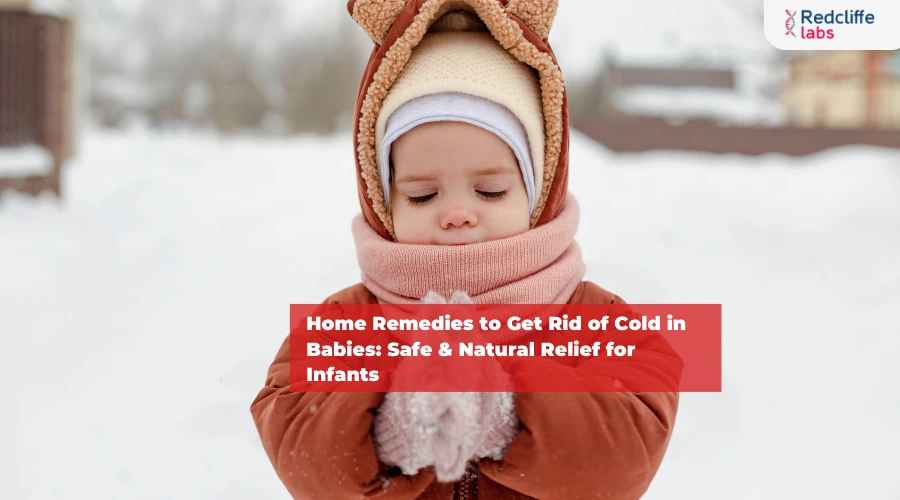
Tiny sneezes, restless nights, and endless cuddles
Welcome to baby cold season!
You feel your baby's cold more than your baby, as this is how parents are, and so are their worries. Seeing your little one struggling day and night with a cold can shake you and break you as a parent. Babies depend completely on your care and all-day support. Because their immune systems are still developing, they are more susceptible to allergies as the weather changes. They cannot explain how they feel or why they are crying. They just feel irritated and refuse to do the feeding, too. As a parent, now your biggest concern becomes how to protect and provide relief to your baby, and you generally get confused about whether to seek medical help or do home remedies.
The catch is that most babies' colds are mild and can be safely treated with home remedies. By applying common, safe, and reliable home remedies without using any medications, you can improve your baby's health naturally without causing any discomfort to your baby. Let's explore the safest and most effective ways to help your baby recover comfortably.
Also Read: Gripe Water for Babies: Dosage, Benefits & Safety Tips
Understanding Cold in Babies
A cold is a viral infection that primarily affects the throat and nose. It can be spread in any way, including by cough droplets, sneezing droplets, or even by touch. As the immune system of babies is usually weak, there is a high chance of catching a cold easily. Their bodies are in the learning phase of fighting infections, so this is completely normal. Common viruses usually cause them and typically resolve within 7 to 10 days.
It is important to distinguish between a cold and the flu. They are both different things. A cold is mostly milder, but babies need careful attention because even a mild congestion can make feeding and sleeping difficult for the baby.
Common Symptoms of a Cold in Babies
Babies with infections show different symptoms, and these signs are the natural response to the infection :
- Runny nose
- Blocked nose
- Sneezing
- Mild fever
- Cough
- Poor feeding
- Irritability:
- Disturbed sleep
If your baby is younger than 3 months and has a fever, contact a doctor immediately.
Why avoid giving medicines to babies?
It is a fact that the medications that you see in different pharmacies are usually not safe for infants. These medicines can only reduce symptoms somewhat; they don't cure the virus. There may be side effects, such as sleepiness, breathing issues, or allergic reactions.
Doctors usually do not prescribe or even recommend giving medicines instead of supportive care for babies under two years old. That is why home remedies are gentle and safe, and people are preferring this route.
Safe and Natural Home Remedies for Cold in Babies
It is important to note that home remedies do not kill the virus, but they can reduce discomfort and make breathing easier. Here are some of the home remedies that have been adopted from generation to generation.
1. Breastfeeding
Mother's milk is the baby's staple food for a minimum of six months, and the doctor strictly advises it. Breast milk is more thna jisr a miBreast milk is more than just food. It contains antibodies that help fight infections. When your baby has a cold, breastfeeding becomes even more important.
Breast milk:
- Boosts immunity.
- Keeps the baby hydrated.
- Provides comfort and emotional security.
- It is easy to digest.
Even if your baby feeds for shorter periods, continue offering milk frequently. Sick babies may feed in small amounts but more often. This is normal. If the mother has a mild cold, breastfeeding should continue. Please wash your hands thoroughly and maintain good hygiene.
2. Saline Nasal Drops
A blocked nose is the most uncomfortable symptom for babies. Since babies cannot blow their noses, mucus builds up and makes breathing difficult.
Saline drops are sterile saltwater. They are very safe because they do not contain medicine. They work by loosening thick mucus so it can be removed easily.
How to use safely:
- Lay the baby on its back.
- Put 1–2 drops in each nostril.
- Wait for a few seconds.
- Use a soft bulb syringe to gently suction out mucus gently.
This can be done 2–3 times a day, especially before feeding and bedtime. Clearing the nose helps babies breathe better and feed comfortably.
3. Cool-Mist Humidifier
Dry air thickens and sticks mucus. This blocks the nose further. A cool-mist humidifier adds moisture to the room air.
Why it helps:
- Keeps nasal passages moist.
- Makes mucus thinner.
- Reduces throat irritation.
- Improves sleep quality.
Important safety tips:
- Clean the humidifier daily to prevent bacterial growth.
- Place it away from the baby's reach.
- Avoid hot steam humidifiers to prevent burns.
Moist air makes breathing smoother and reduces discomfort.
4. Steam Therapy
Steam helps open blocked nasal passages. However, direct steam exposure is dangerous for babies because hot steam can burn their sensitive skin.
Safe method:
- Run a hot shower.
- Sit in the bathroom with your baby for 10–15 minutes.
- Keep a safe distance from hot water.
The steam in the room loosens mucus naturally without direct contact.
5. Keeping the Baby Hydrated
Fluids are very important during illness. They help thin mucus and prevent dehydration. For babies who are under six months, it is necessary to give them only breast milk. For babies above six months, you can give small sips of warm water, and then you can continue the routine of normal feeding. Never leave the baby dehydrated, as it can lower the baby's energy levels.
6. Gentle Warm Oil Massage
Massaging with oils is a generational tradition followed in every Indian household. A gentle massage soothes the skin and gives comfort to the baby. With a warm touch, the muscles relaxed, and blood circulation improved. Use mild oils, such as coconut or olive oil. Warm slightly (not hot).
Massage gently on:
- Chest
- Back
- Feet
This can help the baby sleep better and make them feel secure. Always massage in a warm-temperature room and avoid exposure to cold air after a massage.
7. Safe Sleeping Position
Sleeping position during cold weather matters, whether in adults or babies. When babies lie completely flat without any inclination, then the mucus may collect in the nose, and that gives continuous irritation and disturbs their sleep.
So you can:
- Slightly elevate the mattress from underneath whenever they are sleeping
- Hold the baby upright for some time after breastfeeding.
Never place pillows under the baby's head, as this is a little unsafe and can increase the risk of suffocation.
8. Lukewarm Sponging for Mild Fever
If the baby has a mild fever, then you can
- Use lukewarm water.
- Gently wipe forehead, arms, and legs.
- Avoid cold water because it can cause shivering.
If the fever is high or lasts more than 2–3 days, consult a doctor.
Also Read: Alarming Impact of Air Pollution on Children's Health
What You Should Never Do
When your baby has a cold, it is natural to want quick relief. But some common remedies can actually be harmful. First, never give honey to babies under one year of age. Honey can contain bacteria that may cause a serious illness called infant botulism. Even a small amount can be dangerous.
Do not use adult cough syrups or cold medicines. These products are not intended for babies and may cause side effects such as drowsiness, respiratory problems, or allergic reactions. Always consult a doctor before giving any medicine.
Avoid applying strong vapor rubs on your baby's chest or nose, especially for newborns. Their skin is very sensitive, and strong ingredients can irritate or harm them.
Never force-feed your baby. If they are not feeding well due to congestion, gently clear their nose instead of pushing them to drink more than they can manage.
Most importantly, never ignore signs of breathing difficulty, high fever, or unusual sleepiness. Safety must always come first when caring for your little one.
When to Seek Medical Help?
You should contact a doctor if your baby shows any serious warning signs. These include rapid or difficult breathing, chest pulling inward with each breath, high fever, refusal to feed, extreme sleepiness, blue lips, or continuous vomiting. These symptoms may indicate a more serious infection and require medical care. If your baby is under three months old and has a fever, seek medical help immediately without delay.
Final Thoughts
Cold in babies is common and, in most cases, mild and temporary. With proper care, simple home remedies, and careful observation, your baby will usually recover naturally within a few days. You do not need to cure the virus yourself. Your role is to keep your baby comfortable, ensure regular feeding, maintain good hydration, and watch for any warning signs. Stay calm and patient. Your love, warmth, and gentle care are the most powerful support your baby needs during this time.
FAQs
-
What are the safest home remedies for a cold in babies?
The safest remedies include breastfeeding, saline nasal drops, gentle mucus suction, using a cool-mist humidifier, keeping your baby hydrated, and giving plenty of rest. These methods help alleviate symptoms without requiring strong medications. Always keep the baby comfortable and warm. For newborns or those with a high fever, consult a doctor immediately.
-
How can I relieve my baby's nasal congestion naturally at home?
You can use saline nasal drops to loosen mucus and then gently remove it with a bulb syringe. A cool-mist humidifier in the room also helps. Sitting in a steamy bathroom for a few minutes can help relieve a blockage. Keep your baby upright during feeds to make breathing easier.
-
Is a saline nasal spray safe for infants with a cold?
Yes, saline nasal drops or sprays are safe for infants when used correctly. They contain only salt and water, making them gentle and non-medicated. Use 1–2 drops in each nostril to loosen mucus. Always use products made for babies and follow the instructions carefully.
-
Can I use a humidifier to ease my baby's cold symptoms?
Yes, a cool-mist humidifier is safe and helpful. It adds moisture to the air, which helps loosen mucus and makes breathing easier. Clean the humidifier daily to prevent mold and bacteria. Avoid hot-steam humidifiers, as they can cause burns if touched.
-
Is steam therapy safe for babies with a blocked nose?
Direct steam is not safe because it can burn your baby's skin. Instead, you can sit with your baby in a bathroom filled with steam from a hot shower for 10–15 minutes. This helps loosen mucus safely. Always stay close and never expose your baby to hot steam directly.
-
Can breastfeeding help my baby recover faster from a cold?
Yes, breastfeeding can help. Breast milk contains antibodies that fight infections and strengthen your baby's immunity. It also keeps your baby hydrated, which is important during illness. Even if you have a mild cold, you can continue breastfeeding while maintaining proper hygiene, such as washing your hands.
-
How often should I clear my baby's mucus during a cold?
Clear your baby's mucus only when needed, such as before feeding or sleeping. Overdoing it may irritate the nose. Usually, 2–3 times a day is enough. Use saline drops first to soften mucus, then gently remove it with a soft nasal aspirator.
-
Are herbal remedies safe for infants with cold symptoms?
Most herbal remedies are not recommended for infants, especially under one year. Babies have sensitive systems, and some herbs may cause allergies or side effects. Always consult a pediatrician before trying any herbal treatment. Simple remedies such as saline drops and humidified air are safer options.
-
Can I give honey to my baby for cough and cold relief?
No, honey should never be given to babies under one year. It can cause a serious illness called infant botulism. Even a small amount can be harmful. For cough relief, consult your doctor rather than using home remedies that may be unsafe.
-
How long does a common cold usually last in babies?
A common cold in babies usually lasts about 7 to 10 days. Symptoms may worsen around the third or fourth day before gradually improving. A mild cough can last a little longer. If symptoms do not improve after 10 days, consult your doctor.
-
What signs indicate that my baby's cold needs medical attention?
Seek medical help if your baby has a high fever, fast or difficult breathing, poor feeding, unusual sleepiness, blue lips, or continuous vomiting. Babies under three months with a fever should see a doctor immediately. Trust your instincts if something does not feel right.
-
Are over-the-counter cold medicines safe for infants?
No, most over-the-counter cold medicines are not safe for infants, especially those under two years old. They can cause side effects and are usually not recommended without a doctor's advice. It is safer to use gentle home remedies and consult a pediatrician for proper guidance.