High SGPT and SGOT Levels: Causes, Symptoms, Normal Range & When to Worry

Medically Reviewed By
Dr. Mayanka Lodha Seth
Written By Anjali Dubey
on Feb 27, 2026
Last Edit Made By Anjali Dubey
on Feb 27, 2026
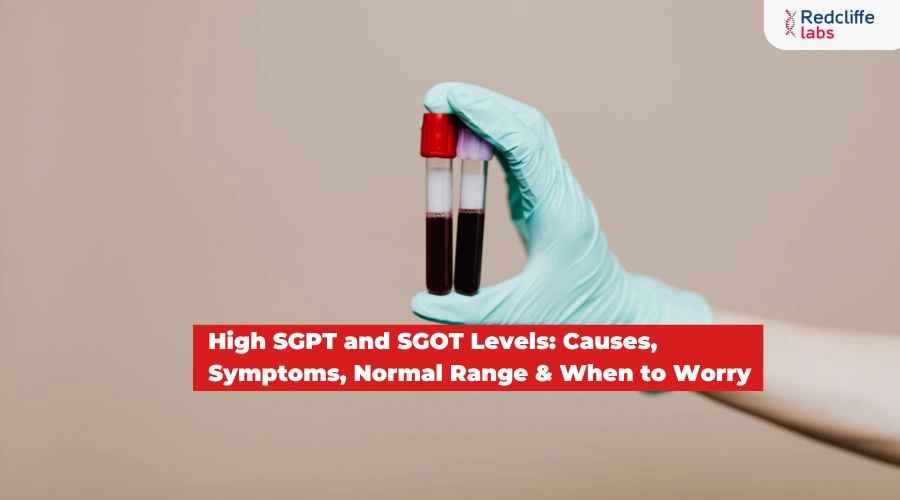
When you receive a blood test report showing high SGPT and SGOT levels, it's natural to feel worried. However, before jumping to conclusions, it's important to understand what these numbers actually mean. In many cases, mildly elevated liver enzymes return to normal with simple nutrition and lifestyle changes. But sometimes, they may signal an underlying health condition that requires medical attention.
Your liver is a vital organ that works around the clock continuously to remove toxins, aid digestion, regulate metabolism, store nutrients, and support immunity. Liver problems often do not show symptoms in the early stages, which is why blood tests act as an early warning sign. Rising SGPT and SGOT levels may indicate fatty liver, a reaction to medications, or lifestyle-related stress on the liver. With early diagnosis and timely action, you can prevent long-term liver damage and protect your overall health. Let's explore through this blog what causes a spike in SGPT and SGOT levels and what these changes reveal about your liver health.
Also Read: 7 Signs Your Liver Is Dying: Don't Miss These Alarming Symptoms
What Are SGPT and SGOT?
SGPT and SGOT are the enzymes. These are the special proteins that help perform chemical reactions in the body. They are present inside the liver cells. These enzymes are inside the liver cells until the cells are healthy. But they can leak into the bloodstream if liver cells become inflamed, stressed, or injured. That is why their levels increase in a blood test. To understand exactly what is happening inside your body, you first need to understand these two important terms: SGOT and SGPT.
SGPT:
This stands for Serum Glutamic Pyruvic Transaminase, also called ALT (Alanine Aminotransferase). It is an enzyme that is commonly found in the liver. Its main job is to help the body convert food into energy. Normally, SGPT stays inside liver cells. But if the liver becomes inflamed, infected, or damaged, this enzyme leaks into the bloodstream. If your blood test reports show a high SGPT level, then it signals liver stress due to fatty liver, hepatitis, alcohol use, or certain medicines. This enzyme is a liver specialist. If the level of this one rises, it points directly to liver issues.
SGOT:
This stands for Serum Glutamic Oxaloacetic Transaminase, also known as AST (Aspartate Aminotransferase). It is located in the heart, muscles, and tissues along with liver cells. Like SGPT, it also helps the body produce energy. When these organs are injured or inflamed, SGOT levels can rise in the blood. While high SGOT may indicate liver problems, it can also increase due to muscle injury or heart issues, so the doctors can interpret it carefully. This enzyme is more of a socialite. If the levels of this enzyme increase, then the issue might actually be related to muscle strain or heart health rather than the liver.
Normal SGPT and SGOT Range
Understanding the normal range helps reduce unnecessary fear. Normal ranges for SGPT (ALT) and SGOT (AST) can vary slightly depending on the laboratory's specific testing methods, but the following are the generally accepted standard ranges for adults:
- SGPT (ALT): Approximately 7 to 56 units per liter (U/L)
- SGOT (AST): Approximately 10 to 40 units per liter (U/L)
Important things to remember: Different labs may use slightly different reference ranges, so results can vary a little. One little high value does not automatically confirm a disease. Doctors usually look at trends over time rather than a single report. Factors like age, gender, weight, and medical history also influence results. In many cases, a slight increase above the upper limit is common and often reversible with proper care and lifestyle changes
The SGOT/SGPT Ratio
To get more clarity from blood test reports, doctors usually look at the difference between SGPT and SGOT by calculating their ratio (SGOT/SGPT or AST/ALT). This is known as the De Ritis ratio.
Ratio Less Than 1 (SGOT < SGPT): When SGPT is much higher than SGOT, it usually means liver damage that is not caused by alcohol. This pattern is commonly found in viral hepatitis and fatty liver disease.
Ratio Greater Than 1 (SGOT > SGPT): When SGOT is higher than SGPT, it may point to different liver problems.
Ratio Greater Than 2 (SGOT is more than double SGPT): If SGOT is more than twice SGPT, it strongly suggests liver damage due to alcohol.
Ratio Around 1: When both levels are almost equal, it can be seen in conditions like cirrhosis.
What factors can raise these enzyme levels?
It is important to remember that a single high reading doesn't always mean you have liver disease. Several non-liver factors can cause a temporary spike:
- Intense Exercise: If you do very intense exercise like weightlifting, long-distance running, or a hard gym session before your blood test, your SGOT (AST) level can increase. This happens because muscles release this enzyme when muscle fibers break down during heavy activity.
- Dehydration: When you do not drink enough water, your blood becomes more concentrated. This can make enzyme levels appear higher than they actually are. Once you drink enough fluids and your body is properly hydrated, the levels often return to normal.
- Obesity and Metabolic Syndrome: Being overweight or having high blood sugar and high blood pressure can lead to fat buildup in the liver. This may cause mild liver inflammation and slightly raised enzyme levels, even if the person does not drink alcohol.
- Celiac Disease: Celiac disease is a condition where the body reacts badly to gluten. In some people, untreated celiac disease can cause liver inflammation. Once gluten is removed from the diet, liver enzyme levels usually improve.
What Causes High SGPT and SGOT Levels?
When your doctor spots the elevated numbers of these enzymes, he is not looking for the number, but he is investigating your reports that these levels are high in the first place, and this is because these numbers are the symptoms and not the diagnosis. Let’s have a clear look at the various causes responsible for the spike in these enzyme levels:
1. Non-Alcoholic Fatty Liver Disease (NAFLD)
Your liver converts fats and sugar into energy. But today’s sedentary lifestyle and desk jobs make it hard to store excess calories as fat. When the body cannot burn extra calories, it starts depositing fat directly inside liver cells.
With time, they start to produce heat and chemical reactions that turn into oxidative stress. Due to this, the liver feels inflammation (the medical term is Steatohepatitis), and along with that othercells also get inflamed, and then they swell up and release those SGPT and SGOT enzymes directly into your blood. If you don't clear out the liver, then the constant irritation creates tough, useless scar tissue called fibrosis, making the liver stiff and less effective.
2. Alcohol Consumption
Your liver is the filtration unit of your body. The number one priority of the liver is breaking down alcohol. However, this process is not that clean, as when a liver processes a drink, it creates a chemical called acetaldehyde. This chemical is corrosive and toxic in nature and attacks the walls of your liver cells. So if you drink more than the capacity of your liver to clean up the mess, then your liver becomes swollen and tender, which is a condition known as Alcoholic Hepatitis. This condition is detected by doctors with high SGOT levels. This is why, in drinkers, the SGOT level is often double the SGPT level.
3. Medications and Hidden Toxins
We often think that if a medicine is sold in a pharmacy or health store, it must be safe for the liver. But your liver has to process everything you swallow. Some medicines, like paracetamol, can form harmful substances when broken down. If taken too much or too often, they can damage liver cells. It’s not just medicines; even natural supplements can harm the liver. Some herbal teas, weight-loss powders, and bodybuilding products contain strong extracts that the liver is not made to handle. This can cause Drug-Induced Liver Injury (DILI), where liver cells get damaged and leak enzymes into the blood.
4. Viral Hepatitis (A, B, C, D, and E)
Inflammation of the liver is known as hepatitis, and this condition is caused by different viruses that only target liver cells.
- Hepatitis A and E come from sources like contaminated food or water. They cause a sharp spike in enzymes and make you feel terrible for weeks or more, and then usually leave.
- Hepatitis B and C are more like uninvited guests, as they move in and stay for years, slowly damaging cells over decades.
When these enzymes attach to your liver, the immune system responds like a massive army. In this battle, many liver cells can be damaged in one g, and that is why in most of the viral cases, your SGPT and SGOT levesl strike from a normal 40 to over 1,000.
What Are the Early Signs of Liver Damage and How to Recognize Them?
The liver is a resilient organ, as it still manages to function if a significant portion of it is damaged. The levels of these enzymes are often the first and the only warning signs that the liver is in pain. However, if the inflammation persists, you may experience:
Chronic Fatigue: This is more than just feeling tired. It is a persistent exhaustion that occurs because your liver is struggling and can no longer effectively process important nutrients,s and is unable to filter out energy-draining toxins.
Digestive Distress: After consuming ultra-processed and oily food sources like fatty food items, you will notice that you are feeling nauseous, and this is happening frequently with you. This happens because a stressed liver struggles to produce enough bile, and this is leading to bloating issues and loss of appetite.
Abdominal Heaviness: Liver stress usually does not feel like sharp pain. Instead, it feels like a dull, heavy pressure or fullness in the upper right part of your stomach. This happens when the liver becomes swollen or irritated. As it enlarges, it presses against the nearby lining of your abdomen, causing discomfort.
Dark Urine and Pale Stools: When the liver fails to process bilirubin, this pigment spills into the bloodstream and takes the exit through urine, turning it dark like tea. Simultaneously, if the bile does not reach your intestines, then your stools will look unusually pale or clay-colored.
Jaundice: One clear sign of liver trouble is jaundice. It makes your skin and the white part of your eyes look yellow. This happens when a substance called bilirubin builds up in your blood because the liver is not filtering properly. If you notice this change, it’s important to see a doctor quickly.
Also Read: Liver Cirrhosis: Understanding the Condition, Causes, and Management
Diagnosing the Root Cause: What Happens Next?
If your blood work shows high levels, your doctor will likely move beyond a simple blood test and will do a complete analysis of this organ.
- Abdominal Ultrasound: An abdominal ultrasound is a safe imaging test that uses sound waves to create pictures of your liver. It helps detect fatty liver, often called “bright liver,” and can identify swelling, enlargement, or other visible structural liver abnormalities.
- FibroScan (Transient Elastography): FibroScan is an advanced, non-invasive liver test that measures liver stiffness using vibration waves. If the waves travel faster, it may indicate liver scarring or fibrosis. Doctors use this test to assess fatty liver disease and long-term liver damage.
- Hepatitis Panel: A hepatitis panel is a group of blood tests that check for viral infections like Hepatitis A, B, and C. It detects antibodies or viral markers in the blood, helping doctors identify infection-related liver inflammation or damage early.
- Liver Biopsy: A liver biopsy is a medical procedure where doctors remove a tiny sample of liver tissue using a thin needle. The sample is examined in a laboratory to accurately diagnose liver disease, inflammation, fibrosis, or cirrhosis.
How to Lower SGPT and SGOT Levels Naturally?
The regenerative power of the liver is the most incredible thing about it. Unlike any other organ, like your heart or brain, the liver can heal and grow itself again. Here are some important ways to naturally lower the levels of these enzymes to protect the liver.
1. Eat a Balanced, Liver-Friendly Diet
Eating healthy food helps your liver heal and work better. Include fresh vegetables, fruits, whole grains, and lean protein like lentils, beans, eggs, or fish. Use healthy fats like olive oil in small amounts. Avoid sugary drinks, fried foods, and processed snacks. Too much sugar can increase fat in the liver and raise SGPT and SGOT levels.
2. Maintain a Healthy Weight
Being overweight, especially around the stomach area, increases the risk of fatty liver and high liver enzymes. Losing just 5–10% of your body weight can improve liver health. Slow and steady weight loss is better than crash dieting. Even small changes in daily habits, like portion control and mindful eating, can make a big difference.
3. Exercise Regularly
Regular physical activity helps reduce fat stored in the liver. Aim for at least 30 minutes of brisk walking, cycling, or light jogging most days of the week. You can also include yoga or strength training. Exercise improves blood sugar control and reduces inflammation, which helps bring SGPT and SGOT levels back to normal.
4. Avoid Alcohol
Alcohol directly affects liver cells and can increase inflammation. If your SGPT and SGOT levels are high, it is best to completely avoid alcohol until your levels return to normal. Even small amounts can slow down liver recovery. Giving your liver a break from alcohol allows it to repair itself more effectively.
5. Drink Coffee in Moderation
Studies show that moderate coffee consumption may support liver health. It is rich in antioxidants. Drinking 2–3 cups of plain coffee daily may help reduce liver inflammation and fat accumulation nd slow scarring of the liver. However, avoid adding too much sugar or cream. Coffee is not a treatment, but it may help protect the liver when combined with a healthy lifestyle.
6. Use Supplements Carefully
Some supplements, like milk thistle or Vitamin E, are sometimes used for liver support. Milk thistle is a widely used herbal supplement for liver support, with silymarin acting as its active compound that reduces liver inflammation. However, they are not suitable for everyone. Taking supplements without medical advice can sometimes harm the liver instead of helping it. Always consult a doctor before starting any supplement, especially if your liver enzymes are already elevated.
7. Take Medicines Responsibly
Certain medicines, especially painkillers taken in high doses, can raise liver enzymes. Avoid self-medication and always follow the prescribed dose and duration. Inform your doctor about all medicines and herbal products you are using. Responsible medication use protects the liver and prevents unnecessary damage or enzyme elevation.
Key takeaway
To naturally lower SGPT and SGOT levels, focus on simple but consistent lifestyle changes. Eat a balanced diet rich in fresh vegetables and lean protein, maintain a healthy weight, exercise regularly, avoid alcohol, and take medicines or supplements only under medical guidance. In many cases, these steps help bring liver enzymes back to normal within weeks or months.
For accurate and reliable liver function tests, Redcliffe Labs provides both home sample collection and sample collection at the nearest diagnostic center, making the process simple and convenient. Customer comfort and ease are always a top priority. Since many liver health issues can be managed better when detected early, timely testing is important. Redcliffe Labs also offers free doctor consultation and diet guidance, helping you take the right steps to protect and improve your liver health at an early stage.
FAQs
What are SGPT and SGOT?
SGPT (ALT) and SGOT (AST) are enzymes found mainly in the liver. They help your body turn food into energy. Normally, they stay inside liver cells. When the liver is irritated or damaged, these enzymes leak into the blood. A blood test measures their levels to check how well your liver is working.
What do high SGPT and SGOT levels indicate?
High SGPT and SGOT levels usually mean your liver is stressed, inflamed, or damaged. This can happen due to fatty liver, hepatitis, alcohol use, certain medicines, or infections. In some cases, SGOT may also rise due to muscle or heart problems. Doctors study both values together to understand the exact cause.
What are the early signs of liver damage?
Early liver damage often has no clear symptoms. Some people may feel tired, weak, or lose their appetite. Mild nausea, stomach discomfort, or yellowing of the eyes and skin (jaundice) can appear later. Because symptoms can be silent, regular blood tests help detect liver problems early.
Can SGPT and SGOT levels rise temporarily?
Yes, these levels can rise for a short time. Intense exercise, certain medicines, alcohol intake, infections, or even muscle injury can temporarily increase them. In many cases, levels return to normal once the cause is removed. Doctors may repeat the test to confirm if the rise is temporary or serious.
How are SGPT and SGOT levels tested?
SGPT and SGOT levels are checked through a simple blood test. A small blood sample is taken from your arm and sent to a lab for analysis. Fasting may or may not be required, depending on your doctor’s advice. The test is quick, safe, and commonly included in liver function tests.
What causes elevated SGPT and SGOT levels?
Common causes include fatty liver disease, hepatitis, alcohol consumption, obesity, diabetes, and certain medications. Viral infections and liver inflammation can also raise levels. Sometimes, muscle injury or heart problems may increase SGOT. Identifying the exact cause helps doctors decide the right treatment or lifestyle changes.
How can high SGPT and SGOT levels be lowered?
You can lower high levels by improving your lifestyle. Reduce alcohol intake, eat a balanced diet, exercise regularly, and maintain a healthy weight. Managing diabetes and cholesterol also helps. Avoid unnecessary medicines and follow your doctor’s treatment plan. In many cases, simple lifestyle changes can significantly improve liver health.
When should I consult a doctor for high SGPT/SGOT?
You should see a doctor if your levels are consistently high or much above the normal range. Also consult a doctor if you have symptoms like jaundice, severe fatigue, stomach pain, or unexplained weight loss. Early medical advice helps prevent serious liver complications.
Can early liver damage be reversed?
Yes, early liver damage can often be reversed. If detected early, lifestyle changes like healthy eating, exercise, and avoiding alcohol can help the liver heal. The liver has a strong ability to repair itself. However, long-term or severe damage may require medical treatment and close monitoring.
Are there lifestyle changes to protect my liver?
Yes, healthy habits protect your liver. Eat fresh fruits, vegetables, and whole grains. Limit fried and processed foods. Exercise regularly and maintain a healthy weight. Avoid smoking and excessive alcohol. Stay hydrated and take medicines only as prescribed. Regular health checkups also help detect problems early