Heat Exhaustion Symptoms: Signs, Causes, and What to Do

Medically Reviewed By
Dr. Mayanka Lodha Seth
Written By Sheena Mehta
on May 8, 2026
Last Edit Made By Sheena Mehta
on May 8, 2026
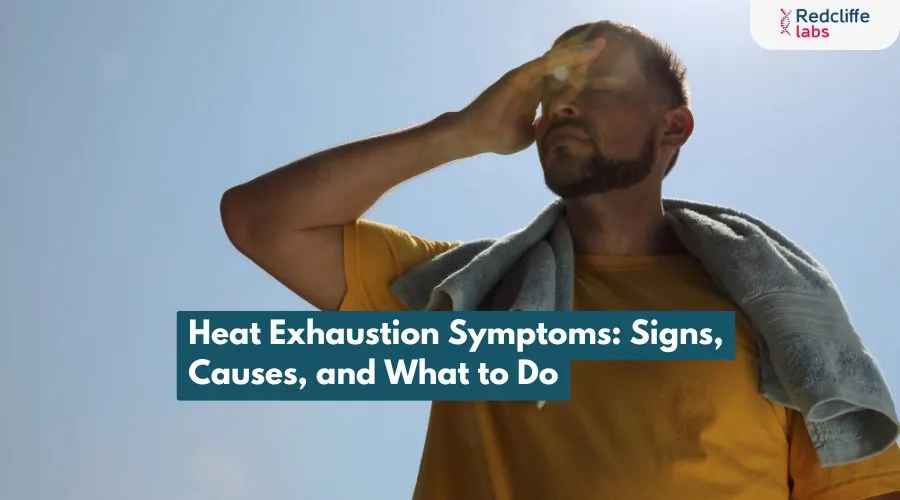
Have you experienced going out in the scorching afternoon only to become dizzy, lightheaded, and very fatigued? Most individuals dismiss such symptoms, thinking that they only occurred because of the temperature. However, what if your body is actually having a hard time coping?
It turns out that heat exhaustion occurs much more often than people realize, particularly when there are extreme temperatures and when one is exposed for a prolonged period to the sun's heat. Learning about the symptoms of heat exhaustion will play a huge role in preventing any further complications that may arise from it.
What is Heat Exhaustion?
Heat exhaustion is another heat-related problem that takes place when your body becomes overheated, resulting from an elapse of time in high temperatures as well as dehydration.
WHO added that heat exhaustion is one of the most prevalent heat-related conditions, which can become more serious if not treated promptly.
It generally occurs when the body has lost too much water and salt through sweating, which hampers the body's ability to control temperature. It is not as life-threatening as heatstroke, but it can still be dangerous.
Causes of Heat Exhaustion
Heat exhaustion results from a variety of reasons, both related to the environment and an individual's lifestyle. It is not always due to the heat but rather your reaction to it.
- Long-term exposure to high temperatures
- Dehydration or insufficient fluid intake
- Sweating excessively without salt replacement
- Sudden shift from an air-conditioned environment to intense outdoor heat
- Wearing heavy or tight clothing
- Engaging in exercise in hot and humid weather
- Consumption of alcohol, which can affect hydration levels
Some people are more susceptible to heat illness, for example, the elderly, infants, those who work outside or physical activities, and people with certain diseases, such as heart disease and diabetes.
Heat Exhaustion Symptoms: What to Watch For
Here lies the importance of identifying such signs. Symptoms of heat exhaustion can either appear slowly or suddenly. Recognizing these will enable you to take action before the condition gets worse.
Physical signs:
- Excessive sweating despite feeling cold or clammy
- Pale or flushed appearance
- Fast, weak heartbeat
- Muscle cramps or weakness, especially in the legs and abdomen
- Nausea or vomiting
- Persistent, dull headaches
- Weakness and fatigue
- Dizziness
Behavioral and neurological signs:
- Fainting or nearly fainting
- Difficulty focusing and confusion
- Unexplained anxiety or irritation
It is important to note that the distinguishing factor between heat exhaustion and heat stroke is the presence of sweating in heat exhaustion; in contrast, there is no sweating in heat stroke.
When Does Heat Exhaustion Become Dangerous?
In itself, heat exhaustion is very serious, but it then becomes a matter for emergency medicine when it evolves into heat stroke.
That is when the core body temperature goes above 40°C (104°F) and the body is no longer able to take control.
Seek emergency medical help immediately if the person shows:
- Stops sweating in heat (dizziness) despite the heat.
- Make a person confused and disoriented, or cause him or her to pass out.
- Has a fast, pounding pulse
- Develops hot, red, dry skin
- Experience a seizure
According to the World Health Organization, heat exhaustion left untreated can change into heat stroke in a matter of minutes. Do not wait to see if this is going to improve itself.
What to Do When You Notice Heat Exhaustion Symptoms
The main thing to remember is to stay calm and act quickly. You do not need medical equipment as nothing is more complex at the very beginning.
Immediate first aid:
If necessary, shift to a cooler, shaded, or air-conditioned environment as soon as possible. Lie flat and raise your legs a little to circulate blood more freely.
Take off or loosen tight, heavy clothing.
- Apply cool (not ice-cold) water to skin, mainly the neck, armpit, wrists.
- Drink cool water or an oral rehydration solution.
- Cool down: Fan or damp cloth.
What not to do:
- Avoid alcohol or caffeine.
- Get someone on your side (or do not leave the patient alone.)
- Do not apply ice directly on the skin as it can give shock to the system.
If the symptoms are not improving after 30 min of first aid, or are deteriorating, contact for medical help immediately.
Also read: https://redcliffelabs.com/myhealth/web-stories/dos-and-donts-during-heatwave/
Prevention Tips to Avoid Heat Exhaustion
Preventing heat exhaustion is much easier than dealing with it. Minor lifestyle adjustments can have a significant impact.
- Stay hydrated- Drink plenty of fluid during the entire day.
- Avoid outdoors- Refrain from leaving your home during the hottest part of the day (12 PM-4 PM).
- Wear light- Dress in comfortable, loose, and airy clothes. A hat or sunglasses is a good idea while outdoors.
- Use umbrellas - They are best for when it is very hot or in direct sun.
- Take breaks- Make sure you take regular breaks if working in hot conditions.
- Eat light meals - Avoid heavy meals and alcohol in hot weather.
Prevention is the best way to remain safe in extreme heat.
Who is at Higher Risk?
Some individuals are more vulnerable to heat exhaustion due to their health or lifestyle.
- Elderly individuals
- Children
- People with chronic illnesses
- Outdoor workers
- Athletes
- Individuals with poor hydration habits
So, these groups should be extra cautious during hot weather.
Conclusion
Heat exhaustion is your body's warning sign for when it's having trouble coping with the heat. This feeling of mild exhaustion, lightheadedness, and nausea, along with excessive sweating, should not be ignored.
If treated immediately, this condition will pass without any long-term effects.
The key takeaways to carry with you:
- Understand the heat exhaustion symptoms so you can respond promptly.
- Move to a cooler environment, stay hydrated, and rest.
- Watch for heat stroke warning signs and seek emergency help if needed.
- Prevention by means of hydration, timing, and suitable clothing is quite effective: Monitoring your body's response to heat can also be a responsible form of health care.
If you or someone in your family is vulnerable (age or chronic medical condition) or working outside, then regular health checks can help you stay ahead. Always see a qualified doctor if symptoms remain or tend to recur.
FAQs
-
What are the early heat exhaustion symptoms?
In the early stages, signs of heat exhaustion include sweating, tiredness, dizziness, headaches, and muscle pains. You may also experience nausea, weakness, or similar symptoms. Symptoms tend to develop slowly, as the body begins to have difficulty cooling down. Being aware of early symptoms can be a crucial step in avoiding a more severe health problem.
-
How is heat exhaustion different from heatstroke?
Heat exhaustion occurs when a person gets overheated and dehydrated. This is less serious than heat stroke, where body temperature rises rapidly and can become a serious medical emergency. With heat exhaustion, sweating continues, and the person feels weak and dizzy.
With heat stroke, body temperature increases rapidly, sweating stops, and confusion or unconsciousness may develop. It must be treated as a medical emergency.
-
How long does heat exhaustion last?
Most cases of heat exhaustion can be resolved within a few hours with rest, hydration, and cooling. Recovery times will depend on the individual and how severe the heat exhaustion was. If symptoms persist longer than an hour or health declines even after precautions have been taken, then medical assistance should be sought to try and prevent further problems such as heat stroke and dehydration complications.
-
Can heat exhaustion happen indoors?
Yes. It is possible to have heat exhaustion while inside if air conditioning is not available or in an unventilated room. When the temperature reaches a high level and a person is dehydrated, the body is too warm for the sufferer. Also someone who is crowded or lives in a poorly cooled environment will be at increased risk.
-
Who is more likely to get heat exhaustion?
Some groups are more susceptible to heat exhaustion than others. This involves the elderly, children, outdoor laborers, sports players, and those with pre-existing illnesses or on medication that affects their hydration.
Those unused to the heat may be more at risk. To reduce one's chances is by taking the correct precautions, such as hydration and avoiding the hottest times of the day.
-
When should I see a doctor for heat exhaustion?
You need to consult a doctor if you do not get better after one hour, and your conditions start to worsen. Conditions such as confusion, passing out, increased body temperature, and the inability to sweat might point to heat stroke, which is considered a serious condition.