Hashimoto’s Thyroiditis: The Autoimmune Disease Rising Silently in India

Medically Reviewed By
Dr. Geetanjali Gupta
Written By Anjali Dubey
on May 29, 2026
Last Edit Made By Anjali Dubey
on May 29, 2026
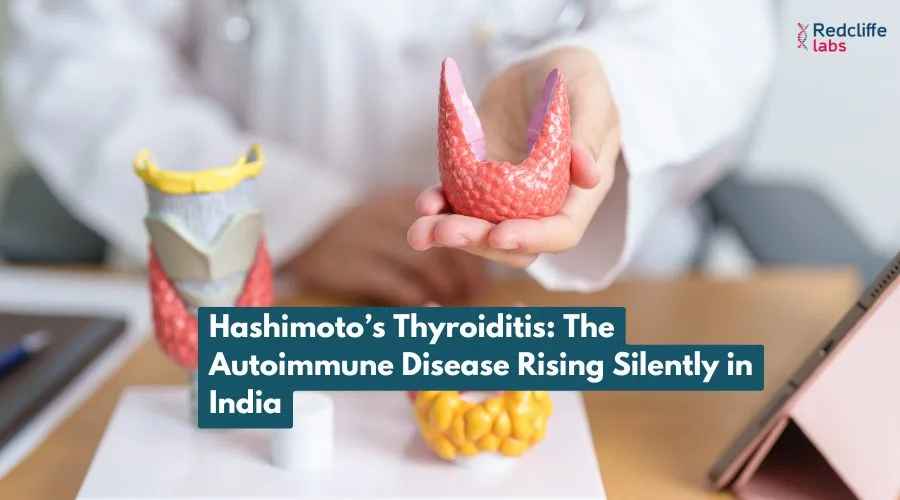
The small, butterfly-shaped gland in your neck affects your mood, energy, weight, and overall health. In Hashimoto’s disease, the body mistakenly attacks this gland. This can cause tiredness, depression, forgetfulness, and brain fog symptoms that are often overlooked in India. More people are being diagnosed with autoimmune thyroid problems due to changes in lifestyle, stress, pollution, and genetics. Hashimoto’s Thyroiditis is a leading cause of an underactive thyroid, but many people still do not know much about it.
This blog explains Hashimoto’s disease in simple terms. Whether you have just been diagnosed or have had symptoms for a long time, understanding the real cause is the first step to feeling better.
Also Read: How to Manage Hyperthyroid? Tips and Treatment Options
What is Hashimoto’s Thyroiditis?
Hashimoto’s Thyroiditis happens when the immune system attacks the thyroid gland by mistake. The thyroid, located in your neck, controls important functions such as energy, metabolism, body temperature, heart rate, and hormone balance. When it gets damaged, it cannot make enough hormones, so the body slows down. People may feel tired, gain weight, feel cold, and experience low mood and brain fog.
Hashimoto’s is a leading cause of hypothyroidism worldwide. It usually develops slowly, so many people do not notice symptoms at first. Getting diagnosed early and starting treatment can help manage symptoms and improve thyroid health.
Why is Hashimoto’s Rising in India?
Autoimmune and thyroid problems are rising in India. Changes in lifestyle and the environment are thought to play a big role in this increase.
The Urban Shift:
Modern lifestyles mean people eat more packaged, fast, and processed foods and fewer fresh, homemade meals. These unhealthy foods can harm gut health, cause inflammation, and weaken the immune system. Poor gut health may trigger autoimmune reactions and increase the risk of thyroid problems like Hashimoto’s Thyroiditis. People with a genetic risk for thyroid disease may develop thyroid inflammation if their iodine levels get too high, which can raise the chance of autoimmune thyroid disorders.
Environmental Toxins:
Continuous exposure to pollution, pesticides, plastics, and harmful chemicals can affect hormone balance and thyroid function. Toxic substances like lead, mercury, and fluoride may overstimulate the immune system, making it attack healthy thyroid tissue and increasing the chances of autoimmune thyroid disease.
The Vitamin D Epidemic:
Vitamin D helps control the immune system and reduce inflammation. Many Indians do not get enough vitamin D because of indoor lifestyles and poor nutrition. Low vitamin D can weaken the immune system and raise the risk of autoimmune diseases and thyroid problems.
What are the common symptoms of Hashimoto’s Thyroiditis?
Here are the following symptoms that are responsible for this autoimmune condition:
- Persistent Fatigue: People feel tired most of the time, even after a good night's sleep. Low thyroid hormone levels reduce the body’s energy production and make daily activities feel exhausting.
- Weight Gain: A slow thyroid function can reduce metabolism, leading to unexpected weight gain. Many people also find it difficult to lose weight despite regular exercise and healthy eating habits.
- Hair Fall and Dry Skin:z Hashimoto’s can make the skin dry and rough while weakening hair roots. This often leads to brittle hair, thinning, and excessive hair fall.
- Brain Fog: People may struggle with focus, memory, and clear thinking. Mental tiredness, forgetfulness, and difficulty concentrating are common symptoms of thyroid imbalance.
- Mood Changes: Thyroid hormone imbalance can affect mental health, causing mood swings, anxiety, irritability, sadness, or depression in many individuals.
- Cold Intolerance: People with Hashimoto’s often feel colder than others because the body produces less heat when thyroid hormone levels become low.
- Constipation: A slow metabolism can also slow digestion, leading to constipation, bloating, and difficulty in regular bowel movements.
- Menstrual Irregularities: Women may experience irregular periods, heavy bleeding, hormonal imbalance, or fertility-related problems due to changes in thyroid hormone levels.
- Swelling in the Neck: Inflammation of the thyroid gland can cause swelling in the neck, commonly known as a goiter.
What are the early warning signs that you should not ignore?
Some early symptoms can appear before serious thyroid problems start.
- Feeling tired all the time without any clear reason
- Sudden mood changes
- Swollen or puffy face
- Slow heartbeat
- Weak muscles
- Pain in joints
- Low energy and motivation
- Trouble concentrating
- Heavy or rough voice
- Feeling too cold easily
Difference Between Hypothyroidism and Hashimoto’s
|
Feature |
Hashimoto’s (The Cause) |
Hypothyroidism (The Result) |
|
What is it? |
A "mistake" where your body’s defense system attacks your own thyroid. |
A state where your thyroid isn't making enough "energy hormone." |
|
Who is to blame? |
Your Immune System is being too aggressive and causing damage. |
Your thyroid gland is simply tired and not functioning properly. |
|
Why did it start? |
Usually, it's due to family history, high stress, or gut issues that confuse your body. |
The gland is damaged, missing, or worn out from years of being attacked. |
|
How is it found? |
Doctors look for "Attackers" (Antibodies) in a blood test. |
Doctors look at your "Fuel Gauge" (TSH) to see if your levels are low. |
|
How is it treated? |
Focuses on calming the fire (diet, stress relief, and gut health). |
Focuses on refilling the tank by taking a hormone pill every day. |
|
How does it grow? |
It can hide for a long time while your body slowly gets damaged. |
It is usually found only after you start feeling very tired or gaining weight. |
Also Read: Debunking Myths: Can Thyroid Cause Obesity?
What health complications are associated with Hashimoto’s Thyroiditis?
These health problems can occur if the autoimmune disorder is not treated early:
Severe Hypothyroidism
When Hashimoto’s is not treated for a long time, the thyroid gland becomes very weak and stops making enough hormones. This slows down the whole body. A person may feel extremely tired, gain weight easily, feel cold often, and struggle with daily activities because the body’s energy production becomes very low.
Heart Problems
Untreated Hashimoto’s can slowly affect heart health. Low thyroid hormone levels may raise levels of bad cholesterol, increasing the risk of heart disease and high blood pressure. Some people may also experience a slow heartbeat, tiredness during physical activity, or shortness of breath over time.
Fertility Issues
Hashimoto’s can disturb hormone balance and affect reproductive health, especially in women. It may cause irregular periods, difficulty with ovulation, and problems in getting pregnant. In some cases, untreated thyroid problems can also increase the chances of miscarriage or pregnancy difficulties if not managed properly and early.
Mental Health Challenges
Thyroid hormones play an important role in brain function and emotional health. When Hashimoto’s is untreated, many people may feel sad, anxious, emotionally low, or mentally exhausted. Some also experience poor concentration, forgetfulness, mood swings, and brain fog, which can affect confidence, relationships, and everyday life over time.
Pregnancy Complications
Healthy thyroid hormones are very important during pregnancy for both the mother and the baby. If Hashimoto’s is untreated, it may increase the risk of miscarriage, premature delivery, high blood pressure, or developmental problems in the baby. Proper thyroid care during pregnancy helps ensure a safer, healthier pregnancy journey.
Myxedema
Myxedema is a rare but very serious complication of severe, untreated hypothyroidism. In this condition, the body slows down dangerously. A person may feel extreme weakness, confusion, low body temperature, breathing problems, or even lose consciousness. It is a medical emergency and needs immediate treatment in a hospital.
How Can You Live Better With Hashimoto’s Thyroiditis?
Here are some ways to help you manage this autoimmune disease:
- Your body often shows small warning signs before bigger health problems start. Constant tiredness, hair fall, mood changes, or sudden weight gain should not be ignored. Noticing these symptoms and getting tested early can help you manage Hashimoto’s better and prevent serious complications.
- Taking your thyroid medicine regularly is key to managing Hashimoto’s. Missing doses or stopping your medication without a doctor’s advice can upset your hormone balance and make symptoms like tiredness, weight gain, and mood changes worse. Sticking to your treatment helps your body work better and keeps your thyroid levels steady.
- Simple daily habits can really help manage Hashimoto’s. Eating balanced meals, getting enough sleep, staying active, and lowering stress all support your thyroid and boost your energy. Healthy routines also improve your mood, digestion, metabolism, and overall well-being, helping you feel stronger and more balanced each day.
- Many symptoms of Hashimoto’s are similar to stress, anxiety, or other health issues. This makes self-diagnosis confusing and risky. Blood tests and a doctor’s advice are important for a correct diagnosis and treatment. Getting the right help early can prevent complications and make sure you manage the condition safely.
- Living with Hashimoto’s can be emotionally tiring. Mood swings, anxiety, low motivation, and brain fog are common with thyroid problems. Taking care of your mental health with rest, support, relaxation, and stress management is just as important as treating physical symptoms, since mind and body are closely linked.
Final Thoughts
Hashimoto’s Thyroiditis is no longer a rare condition. It is now a growing health concern in India. Still, many people suffer in silence without knowing the real cause of their symptoms. The condition develops slowly, but it can affect your health, mood, metabolism, fertility, and daily life. The good news is that early diagnosis, proper treatment, healthy habits, and regular check-ups can help you manage Hashimoto’s and live a healthier, more balanced life.
It is important to listen to your body. Ongoing tiredness, unexplained weight changes, hair fall, or mood swings should not always be blamed on stress or normal exhaustion. Sometimes, these signs point to a thyroid problem that needs a doctor’s attention. Getting tested at the right time can make a big difference. With advanced thyroid tests, accurate reports, and free doctor consultations from Redcliffe Labs, you can better understand your thyroid health and take steps toward better wellness and long-term care.
FAQs
Is Hashimoto’s disease common in India?
Yes, Hashimoto’s disease is becoming increasingly common in India, especially among women and young adults. Rising stress levels, poor lifestyle habits, nutritional deficiencies, pollution, and hormonal imbalance are believed to contribute to this increase. Many cases remain undiagnosed because the symptoms are often mistaken for stress, tiredness, or general weakness.
What causes Hashimoto’s thyroiditis?
Hashimoto’s thyroiditis happens when the immune system attacks the thyroid gland by mistake. The exact cause is not fully known, but genetics, stress, hormonal changes, poor diet, infections, and environmental triggers may increase the risk. People with a family history of thyroid disease or autoimmune disorders are more likely to develop this condition.
What are the early signs of Hashimoto’s thyroiditis?
Early signs of Hashimoto’s may include constant tiredness, weight gain, hair fall, dry skin, mood swings, brain fog, constipation, and feeling cold often. These symptoms usually appear slowly and are commonly ignored. Many people mistake them for stress or lifestyle fatigue, which can delay proper diagnosis and treatment for years.
How is Hashimoto’s thyroiditis different from hypothyroidism?
Hashimoto’s thyroiditis is an autoimmune disease where the immune system attacks the thyroid gland. Hypothyroidism is a condition in which the thyroid gland produces low hormone levels. Hashimoto’s is actually one of the main causes of hypothyroidism. In simple words, Hashimoto’s damages the thyroid, and this damage eventually leads to hypothyroidism.
Can Hashimoto’s thyroiditis be cured permanently?
There is currently no permanent cure for Hashimoto’s thyroiditis, but it can be managed effectively with proper treatment and lifestyle changes. Thyroid medication, balanced nutrition, stress management, exercise, and regular monitoring help control symptoms and maintain healthy hormone levels. Early diagnosis is important to prevent complications and support long-term thyroid health.
Which test confirms Hashimoto’s thyroiditis?
Hashimoto’s thyroiditis is usually confirmed through thyroid antibody tests, especially the Anti-TPO antibody test. Doctors may also recommend TSH, T3, T4, and thyroid ultrasound tests to check thyroid function and inflammation. High thyroid antibody levels, along with abnormal thyroid hormones, often help confirm the presence of autoimmune thyroid disease.
What are the symptoms of Hashimoto’s thyroiditis in women?
Women with Hashimoto’s may experience fatigue, weight gain, hair thinning, dry skin, mood changes, irregular periods, fertility problems, constipation, and sensitivity to cold. Some women also face anxiety, depression, and hormonal imbalance. Since symptoms develop slowly, many women ignore them until thyroid function becomes severely affected and daily life starts getting disturbed.


