Harmful Effects of Smoking and Tobacco on Health

Medically Reviewed By
Dr. Ragiinii Sharma
Written By Kirti Saxena
on Jul 18, 2023
Last Edit Made By Kirti Saxena
on Jan 9, 2025

As per the WHO, nearly 1.35 million deaths are reported due to non-communicable diseases. Well, Tobacco is a leading risk factor for chronic diseases, lung diseases, cardiovascular diseases, and stroke. India is the second largest consumer and producer of tobacco, as a variety of products are available at very low prices.
People smoke and use tobacco for various reasons- to relieve stress, pleasure, and social situations. But this is not the right way to get relief from pain. Find other ways to ease the pain and issues, as smoking and tobacco may cause serious harm to your body. We'll discuss the side effects of smoking and tobacco on health.
Does smoking cause cancer?
Nearly 80% of lung cancers are caused due to smoking. However, smoking increases the risk of other cancers as well, including the mouth, larynx, pharynx, esophagus, kidney, cervix, liver, pancreas, stomach, and bladder. Here are some ways in which smoking damages the lungs:
- Chronic Bronchitis: One of the common diseases detected in smokers, characterized by persistent inflammation and excessive mucus production in the bronchial tubes. People suffering from chronic bronchitis often complain of chronic cough, wheezing, and shortness of breath.
- Emphysema: Smoking is the primary cause of emphysema. Emphysema is a progressive lung disease in which air sacs damage the lungs, and the lungs lose their ability to efficiently exchange oxygen and carbon dioxide. People affected by emphysema observe shortness of breath and difficulty breathing.
- Chronic Obstructive Pulmonary Disease (COPD): COPD is a term that encompasses chronic bronchitis and emphysema. It is a progressive and debilitating lung disease primarily caused by smoking. COPD causes persistent airflow limitation, leading to shortness of breath, coughing, wheezing, and increased susceptibility to respiratory infections.
- High Risk of Lung Cancer: Smoking is the leading cause of lung cancer. The harmful chemicals in tobacco smoke, such as carcinogens, damage the DNA in lung cells and accelerate the uncontrolled growth of abnormal cells and the formation of cancerous tumors.
Quitting smoking can help diminish further damage to the lungs and improve lung function. Even long-term smokers may experience health benefits after quitting. Don't be ashamed to ask help from healthcare professionals to quit smoking to save your lungs.
Health Risks for Smokers
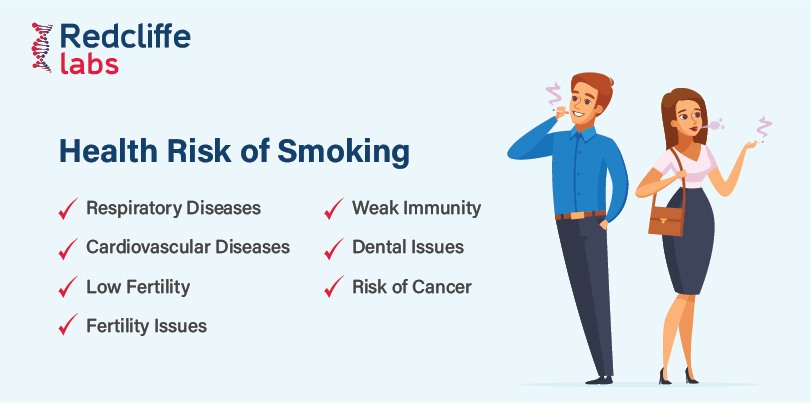
Habitual smoking and tobacco addictions may affect health in many ways. Let's learn some major health risk factors.
- Increased risk of developing various types of cancer, including lung, throat, mouth, esophagus, bladder, kidney, pancreas, and cervix.
- Higher risk of heart disease, stroke, and peripheral vascular disease due to the narrowing of blood vessels.
- Smoking weakens the immune system, which is why smokers are more susceptible to respiratory infections such as chronic bronchitis, emphysema, and chronic obstructive pulmonary disease (COPD).
- Smoking declines the ability to breathe efficiently, which leads to shortness of breath, poor physical endurance, and low quality of life.
- Higher risk of infertility and complications during pregnancy, such as premature birth, low birth weight, and sudden infant death syndrome (SIDS).
- Accelerated aging of the skin, leading to premature wrinkles and age spots.
- Smokers are at peak risk of developing type 2 diabetes.
- High risk of developing multiple health issues, including diabetes, osteoporosis, rheumatoid arthritis, and vision problems.
- Smoking is related to various eye conditions, including cataracts, macular degeneration, and dry eye syndrome.
- Smoking causes oral health problems such as gum disease, tooth decay, bad breath, tooth loss, and oral cancer.
Can the smell of cigarette smoke be harmful?
If you don't smoke but are in direct contact with smokers, then you might be suspected of various health concerns as a smoker. Non-smokers are exposed to smoke in public spaces, public transportation, or even their own homes if they live with smokers. Furthermore, children are at higher risk of secondhand smoke, which raises the risk of asthma, ear infections, and impaired lung development.
Secondhand smoke symptoms in adults
- Respiratory infections
- Ear infections
- Asthma
- Lung cancer
- Coughing
- Shortness of breath
- Cardiovascular problems
Side effects of smoking in females
According to the GATS India survey (2016-17), the prevalence of tobacco usage was 42.4% of males, 14.2% of women, and 28.6% (266.8 million) of all adults. Smoking and Tobacco usage have various side effects on females, affecting diverse aspects of their health. Listed down are some of the effects of smoking in females:
1. Reproductive Issues:
- Low Fertility: Smoking affects women's fertility and makes conceiving more difficult.
- Menstrual Irregularities: Women face menstrual cycle irregularities, including shorter or longer cycles, heavier or lighter periods, and increased premenstrual symptoms.
- Miscarriage and premature birth: Women smokers are at high risk of miscarriage and premature birth, as tobacco toxins can harm the developing fetus and affect placental function. Women smokers have a higher risk of dying from sudden infant death syndrome (SIDS).
2. Menopause-related Effects:
- Early Menopause and severe menopausal symptoms: Smokers may experience menopause earlier. Also, severe menopausal symptoms include hot flashes, night sweats, and mood swings.
3. Hormonal Effects:
- Imbalance in Estrogen Levels: Estrogen levels get affected, which leads to bone health and increases the risk of osteoporosis.
4. Increased Risk of Cancers:
- Lung Cancer: Smoking causes lung cancer in both men and women.
- Cervical Cancer: Research shows that tobacco toxins lead to the development of cervical cell abnormalities.
5. Skin and Appearance Effects:
- Premature Aging: Smoking accelerates the aging process that leads to wrinkles, sagging skin, age spots, dull complexion and uneven skin tone.
Avoiding tobacco and smoking can significantly reduce health risks and improve overall well-being.

How to motivate someone to quit smoking?
Helping your friend to quit smoking is one of the kindest things you can do for them. But on the other hand, it can be challenging, as smoking is a complex addiction. So, it's better to approach the person with empathy and understanding rather than judgment. Let them know that you care about their well-being and want to support them in their journey to quit smoking.
Encourage them to adopt a healthier lifestyle overall. Promote regular exercise, a balanced diet, stress management techniques, and other positive habits. Ask them to seek medical consultation and help if needed. You can also ask them to book a Smoking Assessment Impact Profile Test. This test helps assess the impact of smoking on an individual's health and well-being. Remember, ultimately, the decision to quit smoking lies with the individual. Your role is to provide support, guidance, counseling, and strategies to quit smoking successfully.