From Work Stress to Heart Risk: How Modern India is Fueling Hypertension

Medically Reviewed By
Dr. Geetanjali Gupta
Written By Anjali Dubey
on May 21, 2026
Last Edit Made By Anjali Dubey
on May 21, 2026
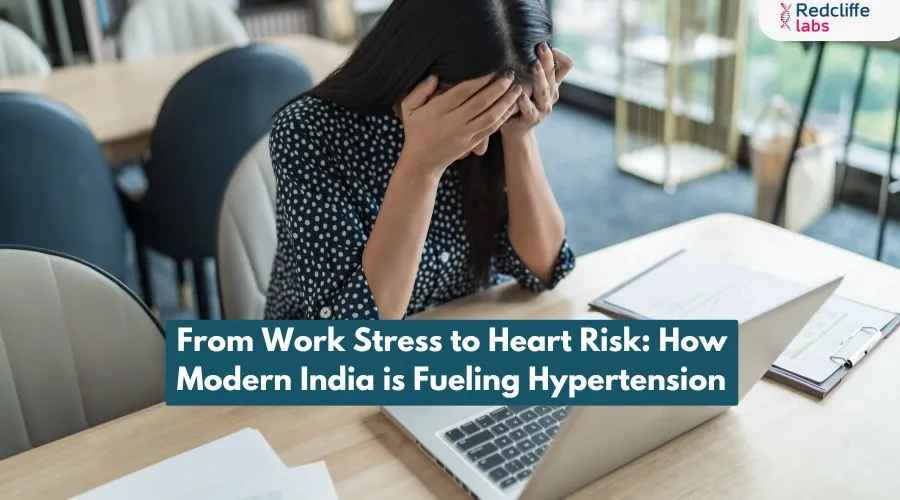
India is becoming a country where people stay up late, eat quickly, worry constantly, and head to work each day with rising blood pressure. From the outside, the modern Indian lifestyle seems ambitious, but it can feel draining on the inside. Long work hours, constant deadlines, traffic jams, unhealthy food, lack of sleep, money worries, and too much screen time are now everyday challenges. As careers advance, stress is increasing even more quickly.
Hypertension is no longer just an issue for older adults. More young professionals in their 20s and 30s are dealing with high blood pressure, anxiety, tiredness, and even heart problems. The real danger is that hypertension often develops quietly, without clear symptoms. As India focuses on greater productivity, health is often neglected. The link between work stress and heart health is now a major public health issue. Learning about this problem is the first step to prevention and better living. This blog explores how modern India is contributing to hypertension and why taking care of your heart should be a top priority.
What is Hypertension?
Hypertension, or high blood pressure, occurs when blood pushes too hard against the artery walls for a long time. This extra pressure forces the heart to work harder and raises the risk of heart disease, stroke, kidney issues, and other serious health problems.
Blood pressure is usually measured in two numbers:
- Systolic pressure: Shows the pressure in the arteries when the heart beats,
- Diastolic pressure: Measures the pressure when the heart rests between beats.
For most adults, blood pressure higher than 140/90 mmHg is considered high. Because hypertension often has no clear symptoms, it is important to check your blood pressure regularly and maintain healthy habits to prevent long-term problems and keep your heart healthy.
Why is Hypertension Called the Silent Killer?
Hypertension usually develops without any obvious signs. Many people go about their daily routines while their blood vessels and heart are slowly being damaged. Symptoms people may ignore:
- Frequent headaches
- Fatigue or weakness
- Dizziness
- Shortness of breath
- Chest discomfort
- Blurred vision
- Sleep problems
Why is Your Job Raising Your BP?
Today's Indian workplaces are high-pressure environments where the idea of a simple 9-to-5 job is rare and being always available is expected. This constant alertness keeps the body's stress system active, which can raise blood pressure over time and lead to long-term health problems.
- The 70-hour workweek: Working very long hours may seem productive, but it can harm your health. Without enough sleep or rest, the body stays stressed. This raises stress hormones like cortisol, making the heart work harder and increasing blood pressure over time.
- The "always available" work culture: Smartphones and laptops make it hard to really disconnect from work. Many people check emails or messages during meals or right before bed. This constant connection keeps the mind stressed and stops the body from fully relaxing, which can raise blood pressure.
- Job pressure and fear of falling behind: India's competitive work culture pushes people always to do better. Many worry about losing their jobs or not meeting expectations. This constant anxiety can tighten blood vessels and put extra strain on the heart, raising the risk of hypertension.
How Are Long Commutes and Desk Jobs Creating a Sedentary Lifestyle Trap?
Urban life has taken physical activity out of our daily routines. In big Indian cities, most professionals spend hours sitting in heavy traffic or at their desks. This lack of movement is a major reason why hypertension is on the rise.
- Long daily commutes increase stress: Spending hours in traffic each day is more harmful than most people think. Noise, pollution, stress, and frustration during travel can repeatedly raise blood pressure. Sitting for long periods also affects blood flow and gradually increases pressure on the heart and blood vessels.
- Sitting for long hours slows the body down: Many people spend most of their day at a desk with little movement. This slows metabolism, leads to weight gain, especially around the stomach, and makes the heart work harder, which increases the risk of hypertension over time.
- Screen time has replaced physical activity: After a long workday, many people unwind by using their phones or watching TV instead of moving around. While this may feel relaxing, being inactive can weaken heart health. Regular physical activity is needed to keep blood vessels healthy and maintain normal blood pressure.
How Modern Food Habits Are Increasing Hypertension Risk
India's eating habits have changed quickly because of busy lives and food delivery apps. Many people now rely on processed foods, instant meals, fried snacks, and sugary drinks instead of fresh home-cooked meals. These foods often contain high levels of salt, unhealthy fats, and preservatives, which can raise blood pressure over time.
Too much sodium in packaged foods makes the body hold onto more water, which puts extra pressure on blood vessels and the heart. Stress eating is also becoming more common, especially during long work hours or emotional stress. Meanwhile, traditional foods rich in fiber and nutrients, like millets, lentils, and vegetables, are slowly disappearing from daily meals. This move toward unhealthy eating is quietly raising the risk of hypertension and heart disease in modern India.
How Does Stress Physically Affect the Heart and Blood Vessels?
Stress affects both the mind and the body. When someone is under constant stress, the body releases hormones like cortisol and adrenaline. These hormones are helpful in emergencies, but if stress lasts too long, they can harm the heart and blood vessels. Blood pressure rises, the heart beats faster, and blood vessels constrict, making it harder for blood to flow as it should.
Chronic stress also causes more inflammation and oxidative stress in the body, which can damage artery walls and make them stiff over time. Poor sleep due to stress worsens things because the heart does not get enough time to recover during deep sleep. All these changes together raise the risk of hypertension, heart disease, and other heart problems.
Also Read: Early Signs of Hypertension in Your 20s and 30s
How Can India Reduce Stress and Control Hypertension?
Managing hypertension is not just about taking medicine. It also means building healthier daily habits and finding a better work-life balance. Even small lifestyle changes can make a big difference in keeping your heart healthy.
Yoga and Deep Breathing Can Help
Practices like yoga and pranayama can calm the mind and relax the nervous system. Simple breathing exercises like Anulom Vilom may help reduce stress, promote relaxation, and support healthy blood pressure when practiced regularly.
Returning to Traditional Healthy Foods
Traditional Indian foods such as millets, lentils, fruits, and vegetables are better for heart health than processed foods. Cutting down on extra salt, fried foods, and packaged snacks can help naturally control blood pressure.
Healthier Work Culture Matters
Workplaces should support regular breaks, physical activity, and a healthy work-life balance. Limiting after-hours work calls and reducing burnout can help employees manage stress and protect their heart health in the long run.
Conclusion
The link between work stress and heart disease is growing stronger in modern India, but hypertension is not something you have to accept as normal. It is a warning that your body needs better care, more rest, healthier food, and less stress. Small daily changes like getting better sleep, moving regularly, eating mindfully, and balancing work and life can protect your heart over time.
As India continues to grow and move faster, health should keep pace with its success. Regular health checkups and early monitoring can catch problems before they become serious. With advanced healthcare tools like smart reports, accurate diagnostics, and AI health support, Redcliffe Labs is helping people understand their health better and take action on time. True success is not just about working harder; it is about living healthier, longer, and better.
FAQs
Can a stressful job cause heart issues?
Yes, long-term work stress can affect heart health. Constant pressure increases blood pressure, heart rate, and stress hormones. Over time, this may raise the risk of hypertension, heart disease, chest pain, and even heart attacks, especially when combined with poor sleep and unhealthy lifestyle habits.
Can work stress make you sick?
Yes, continuous work stress can affect both mental and physical health. It may cause headaches, fatigue, anxiety, poor sleep, digestive problems, high blood pressure, and weak immunity. When stress persists, the body struggles to recover properly, increasing the risk of serious health problems over time.
What are 5 signs of work-related stress?
Common signs of work stress include constant tiredness, headaches, irritability, poor sleep, and difficulty concentrating. Some people also experience anxiety, mood swings, body pain, or loss of motivation. Ignoring these signs for a long time can affect overall health, productivity, and emotional well-being.
Should I quit my job due to stress?
If work stress is seriously affecting your mental or physical health, it is important to address it. Before quitting, try setting boundaries, taking breaks, speaking with management, or seeking professional support. However, if the environment remains harmful and overwhelming, changing jobs may become necessary for your well-being.
What is the 3 3 3 rule for stress?
The 3-3-3 rule is a simple grounding technique used during stress or anxiety. Look at 3 things around you, listen for 3 sounds, and move 3 body parts slowly. This method helps calm the mind, reduce anxious thoughts, and bring attention back to the present moment.
When does work stress become too much?
Work stress becomes too much when it starts affecting sleep, mood, energy, focus, relationships, or physical health daily. Feeling constantly exhausted, anxious, emotionally drained, or unable to relax even after work may indicate burnout. Ignoring these signs can increase the risk of serious mental and heart-related problems.
Is job stress bad for health?
Yes, long-term job stress can negatively affect health. It may increase blood pressure, disturb sleep, weaken immunity, and raise the risk of anxiety, depression, and heart disease. Chronic stress also affects eating habits, energy levels, and emotional health, making it important to manage stress before complications develop.
What drink calms anxiety?
Warm herbal drinks like chamomile tea, green tea, turmeric milk, or warm water with honey may help calm anxiety naturally. These drinks can relax the body and support better sleep. Staying hydrated and reducing intake of caffeine and sugary beverages may also help reduce stress and nervousness.
What is stage 3 of stress?
Stage 3 of stress is called the exhaustion stage. At this point, the body becomes mentally and physically drained after prolonged stress. People may feel tired, emotionally overwhelmed, irritated, or unmotivated. Long-term exhaustion can weaken immunity and increase the risk of hypertension, anxiety, and other health problems.
Can the heart recover from stress?
Yes, the heart can recover from stress if healthy lifestyle changes are made early. Managing stress, getting adequate sleep, eating healthy foods, exercising regularly, and reducing smoking and alcohol use can improve heart health. In many cases, lowering stress levels helps reduce blood pressure and supports heart recovery over time.