Food Intolerance and PCOS: Is There a Connection?

Medically Reviewed By
Dr. Mayanka Lodha Seth
Written By Kirti Saxena
on Mar 30, 2026
Last Edit Made By Kirti Saxena
on Mar 30, 2026
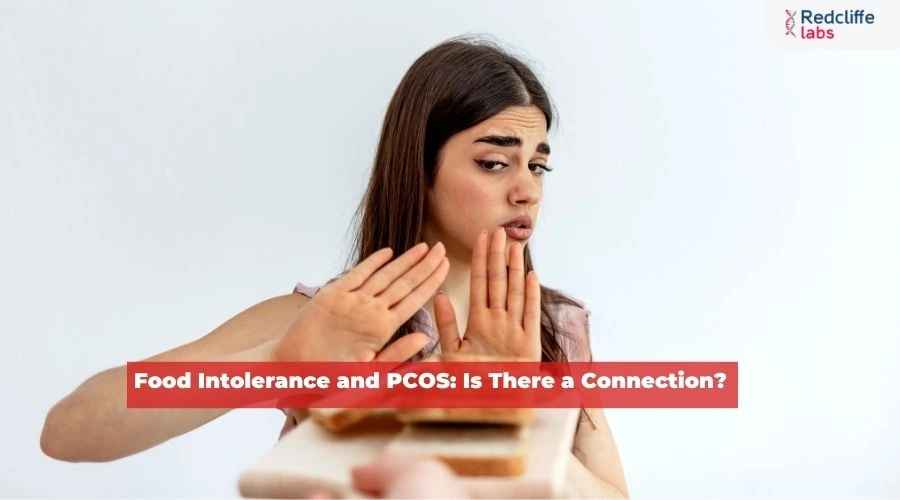
Do you feel bloated after eating certain foods? Do you struggle with irregular periods, weight gain, or acne despite trying different diets? If you have PCOS, you may already know how frustrating it feels to manage symptoms with food sensitivities.
Many women with PCOS follow strict diets, exercise regularly, and still see little improvement. This situation often raises an important question: "Can certain foods worsen PCOS symptoms?" Food intolerance may worsen PCOS symptoms, especially through inflammation, gut health imbalance, and insulin resistance. According to statistics, PCOS affects nearly 1 in 10 women of reproductive age, and lifestyle factors, including diet, strongly influence its severity. Here in this blog, you will understand what PCOS and food intolerance really mean, how they connect, which foods may trigger symptoms, and how testing and diet changes can help you manage PCOS better.
What is PCOS?
Polycystic Ovary Syndrome (PCOS) is a hormonal disorder that affects women during their reproductive years. It disrupts the normal hormonal balance, especially androgens (male hormones), leading to multiple symptoms.
Why does PCOS happen?
There is no single reason or cause linked to PCOS. Several contributing factors lead to PCOS.
- Insulin resistance: When your body cannot use insulin effectively, blood sugar levels rise.
- Hormonal imbalance: Higher androgen levels may disrupt ovulation and lead to PCOS.
- Genetics: PCOS often runs in families.
- Lifestyle factors: Poor diet, stress, and inactivity can worsen symptoms of PCOS.
Common Symptoms Related to PCOS
Women experience PCOS differently, but some common symptoms include:
- Irregular or missed periods
- Excess facial or body hair (hirsutism)
- Acne and oily skin
- Weight gain, especially around the abdomen
- Difficulty conceiving
- Thinning hair or hair loss
PCOS does not just affect reproductive health. It also increases the risk of diabetes, heart disease, and metabolic disorders, which makes early management extremely important.
Also read: Why is PCOS Continuously Rising in Women?
What is Food Intolerance?
Food intolerance occurs when your body struggles to digest certain foods properly. Unlike food allergies, food intolerance is not immune-related; instead, it affects digestion and metabolism.
Food Intolerance vs Food Allergy
These terms are confusing, but they differ significantly in how the body reacts.
Food Allergy: A food allergy involves your immune system. When you eat a trigger food (like peanuts or shellfish), your body treats it as harmful and reacts immediately. It may cause symptoms such as swelling, hives, difficulty breathing, or even life-threatening reactions. This is why food allergies need strict avoidance and medical attention.
Food Intolerance: Food intolerance does not involve the immune system. Instead, your body has difficulty digesting certain foods. The symptoms are usually slower and milder. You may feel bloating, gas, stomach pain, fatigue, or discomfort a few hours after eating. Common examples include lactose intolerance or gluten sensitivity.
Common Symptoms of Food Intolerance
You may notice symptoms within a few hours or even the next day:
- Bloating and gas
- Stomach pain
- Fatigue
- Headaches
- Skin problems (acne, rashes)
Many people ignore these signs, but they can signal deeper issues with gut health.
Understanding the Link Between Food Intolerance and PCOS
Now comes the most important part: how these two conditions connect.
- Gut Health and Hormones: Your gut plays a major role in regulating hormones. When you consume foods your body cannot tolerate, your gut becomes inflamed. This inflammation disrupts hormonal balance and can worsen PCOS symptoms.
- 2. Inflammation and PCOS: Chronic low-grade inflammation is a key feature of PCOS. According to research by the World Health Organization, inflammation contributes to metabolic disorders, including insulin resistance. When you eat trigger foods, your body releases inflammatory chemicals, disrupting hormonal balance and causing symptoms such as acne and weight gain.
- Insulin Resistance and Diet: A major issue in PCOS is insulin resistance (your body doesn't respond properly to insulin). Foods like sugar and refined carbs cause blood sugar spikes. However, food intolerance can worsen resistance, increase fatigue and cravings, and make weight management harder.
- Gut Microbiome Imbalance: Your gut contains trillions of "good bacteria" (called the microbiome). Food intolerance can disrupt your gut balance, leading to poor digestion and nutrient absorption, increased inflammation, and disrupted hormone function.
Common Food Intolerances in Women with PCOS
Not all women react to the same foods, but some triggers appear more frequently.
- Dairy Products: Many women with PCOS notice discomfort after consuming milk or dairy products. Dairy can increase insulin levels in your body. Higher insulin can worsen hormonal imbalance and lead to symptoms like weight gain and irregular periods. Dairy may also trigger acne by influencing hormone activity.
- Gluten: Gluten is a protein found in wheat, barley, and rye. Some women with PCOS show sensitivity to gluten. When your body reacts to gluten, it can increase inflammation. You may also experience digestive issues like bloating, gas, or stomach discomfort after eating gluten-rich foods.
- Processed and Sugary Foods: Processed foods and sugary snacks can cause a rapid spike in blood sugar, which forces your body to release more insulin. Over time, this increases insulin resistance, which is already common in PCOS. This may lead to increased cravings, weight gain, and fatigue.
- Refined Carbohydrates: White bread, pasta, and baked goods. These foods may increase blood sugar levels and worsen insulin resistance. When insulin levels rise frequently, your body produces more androgens (male hormones), which can lead to acne, hair growth, and irregular periods.
- Artificial Additives: They can disrupt your gut health. A healthy gut plays a key role in hormone balance, digestion, and immunity. When your gut becomes imbalanced, you may experience bloating, poor digestion, and increased inflammation.
Signs Your Diet May Be Affecting Your PCOS
You should pay attention to how your body reacts after meals. Some warning signs include:
- Persistent Bloating After Eating: If you feel heavy, tight, or uncomfortable in your stomach after meals, your body may not be digesting certain foods properly. This usually happens when your body cannot tolerate certain foods, such as dairy or gluten.
- Sudden or unusual Weight Gain: If you gain weight even when your diet and activity level remain the same, your food choices may be affecting your hormones.
- Frequent Acne Breakouts: If your acne keeps coming back, especially around your chin or jawline, your diet may be influencing your hormones. Foods like dairy, sugar, and refined carbs can increase androgen (male hormone) levels, which can trigger oil production in the skin. This leads to frequent breakouts and stubborn acne.
- Low Energy or Constant Fatigue: Do you feel tired even after eating or resting? Certain foods can cause blood sugar spikes followed by sudden drops. Blood sugar spikes followed by sudden drops. Poor nutrient absorption
- Irregular Periods Despite Treatment: If you follow medication or treatment but still experience irregular cycles, your diet may be interfering with your progress. Trigger food can disrupt hormonal balance, increase inflammation, and delay ovulation.
If you notice these symptoms regularly, your diet may be triggering your PCOS.
How Food Intolerance Can Worsen PCOS Symptoms
Food intolerance does not just cause discomfort. It can actively worsen your condition.
- Increased Inflammation: Trigger foods keep your body in a constant state of inflammation.
- Hormonal Imbalance: Inflammation affects hormone production, especially estrogen and androgens.
- Gut Microbiome Disruption: An unhealthy gut leads to poor digestion and metabolic issues.
- Poor Nutrient Absorption: Your body fails to absorb essential nutrients, such as vitamins and minerals.
- Blood Sugar Spikes: Uncontrolled spikes worsen insulin resistance.
How to Diagnose Food Intolerance?
You can identify food intolerance through different methods.
- Elimination Diet: You remove suspected foods and reintroduce them one at a time. This method takes time but provides useful insights.
- Food Intolerance Tests: your body's reactions to different foods, and provide a detailed report. Redcliffe Labs provides food intolerance tests and offers convenient testing options to help you identify trigger foods.
- Professional Guidance: Always consult a doctor or nutritionist before making major dietary changes.
Additionally, you can take AMH Plus for PCOS to identify PCOS. This test measures AMH (Anti-Müllerian Hormone) levels and is a confirmatory test for PCOS. Always consult your reports with your doctors, based on your symptoms, they can help you know if PCOS and food intolerance are interrelated.
Also read: Food Intolerance Test: Purpose, Procedure, and More
Diet Tips for Managing PCOS and Food Intolerance
Managing PCOs with food doesn't mean that you have to follow a strict diet. The key is to consume balanced, nutritious food so your body gets the right nutrients without triggering symptoms.
- Focus on Whole Foods: Consume natural and unprocessed foods. Fresh fruits, vegetables, whole grains, and lean proteins are easier to digest and also support hormone balance, which is important in PCOS.
- Include Anti-Inflammatory Foods: PCOS is often linked with inflammation. Adding foods like leafy greens, nuts, seeds, and fatty fish (such as salmon) can help reduce inflammation and improve overall health.
- Maintain Balanced Meals: Do not only carbs or only proteins, combine protein, fiber, and healthy fats in each meal. For example, dal + roti + vegetables or oats + nuts.
- Stay Hydrated: Drink more water to improve digestion, reduce bloating, and help your body flush out toxins. It also supports metabolism and keeps your energy levels stable throughout the day.
- Avoid Trigger Foods: Every person's body reacts differently. Pay attention to foods that cause bloating, acne, fatigue, or discomfort. Common triggers can include dairy, gluten, processed foods, or sugary items. Try to limit or avoid them if they worsen your symptoms.
Read more: Is the Keto Diet Good for People with PCOS?
When to Consult a Doctor
You should always consult your doctor if the symptoms persist and you experience:
- Constant digestive issues
- Severe bloating or abdominal pain
- Difficulty managing PCOS symptoms
- Irregular periods despite treatment
A doctor may recommend diagnostic tests, such as a food intolerance test, to identify the root cause.
The Final Words
Food intolerance and PCOS share a deeper connection. Take blood tests like the Food Intolerance Test and AMH Plus for PCOS to identify food intolerance and the PCOS connection. While food intolerance does not directly cause PCOS, it can significantly worsen symptoms through inflammation, hormonal imbalance, and poor gut health. The good news is that you can take control. The test can help you identify trigger foods, so you can make changes to your diet, manage PCOS more effectively, and improve your overall health.
FAQ's
What is the 30 30 30 rule for PCOS?
The 30-30-30 rule for PCOS is to eat 30 g of protein within 30 minutes of waking up and to do 30 minutes of exercise daily. This rule helps to manage blood sugar levels, improve metabolism, and support weight management in women with PCOS.
Is PCOS linked to lactose intolerance?
PCOS is not directly linked to lactose intolerance, but some women may feel sensitive to dairy. Dairy can increase insulin levels and trigger bloating or acne.
Is there a link between PCOS and gluten intolerance?
There is no direct link, but some women with PCOS may feel sensitive to gluten. Gluten can increase inflammation and worsen digestive issues. You should avoid gluten if you feel bloated after consuming it.
Can PCOS cause food sensitivities?
PCOS does not directly cause food sensitivities, but hormonal imbalance and gut issues can increase sensitivity to certain foods. Many women notice reactions to dairy, gluten, or processed foods, which can worsen inflammation, bloating, and other PCOS symptoms.
What foods trigger PCOS?
Sugary foods, refined carbohydrates, processed snacks, and fast food can trigger PCOS symptoms. These can increase insulin resistance and inflammation. Therefore, limit these foods and choose whole, balanced meals to manage symptoms and improve overall hormonal health effectively.
Which fruit is avoided in PCOS?
Always choose low-glycemic fruits like berries, apples, and pears, and eat them in moderate portions. High-glycemic and high-sugar fruits cause rapid blood sugar spikes. Limit intake of fruit such as mangoes, grapes, and bananas to avoid excess. These can raise blood sugar levels.