Elaichi Benefits: Nutrition Value, Health Properties & Uses

Medically Reviewed By
Dr. Mayanka Lodha Seth
Written By Sheena Mehta
on Jan 28, 2026
Last Edit Made By Sheena Mehta
on Feb 4, 2026

Hey!
You must have heard about the phrase, “Big things come in small packages.” This particular saying is well-suited to elaichi.
Commonly known as cardamom (elaichi), it is a fragrant spice widely used in Indian cuisine and traditional medicine. It contains several bioactive compounds that may support overall health.
This tiny green pod may look simple, but it offers a warm, aromatic fragrance, a mildly sweet and spicy flavor, and a smooth, soothing texture that makes it gentle on digestion.
History of Elaichi
Cardamom (Elaichi) has been cherished for over 4,000 years, both as a culinary spice and a medicinal herb. Originating in the Western Ghats of India, it was historically known as the “Queen of Spices” for its rarity, aroma, and extensive health benefits. It was used in Ayurvedic texts for digestive support, breath freshness, and detoxification.
Did you know?
It is one of the world’s most expensive and highly prized spices, ranking third after saffron and vanilla.
Chemical Composition of Elaichi
Elaichi contains 67 identified chemical compounds, accounting for approximately 96.9% of its total oil composition. Key chemical components in elaichi include:
- α-Terpinyl acetate (40.7%) contributes to cardamom’s characteristic aroma and exhibits anti-inflammatory and digestive properties.
- 1,8-Cineole (25.6%) is known for its antioxidant, antimicrobial, and respiratory-supporting effects.
- Linalool (6.3%) possesses calming, antibacterial, and anti-stress properties.
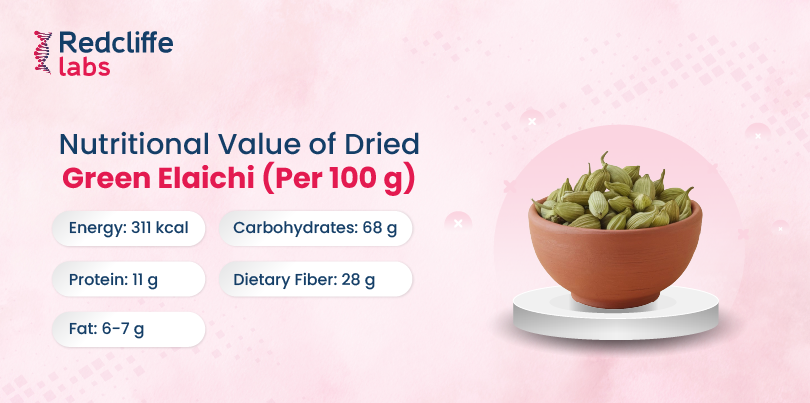
Additionally, cardamom contains flavonoids, polyphenols, dietary fiber, and minerals such as potassium, magnesium, calcium, and iron. Together, these compounds support digestion, reduce oxidative stress, promote oral and respiratory health, and contribute to the overall therapeutic value of elaichi.
Key Health Properties of Elaichi:
- Antioxidant: Elaichi is rich in polyphenols, which help neutralize free radicals and protect cells from oxidative stress.
- Anti-inflammatory: The presence of cineole and other compounds in cardamom contributes to its ability to lower inflammation, thereby supporting overall health.
- Antimicrobial: Thanks to its antibacterial and antifungal properties, cardamom can be beneficial in oral and gut health.
- Skin-Enhancing: The antioxidant and antimicrobial compounds in elaichi may help protect the skin from oxidative damage, support detoxification, and contribute to clearer, healthier-looking skin.
- Cellular Health Support: Rich in antioxidants and anti-inflammatory compounds, elaichi may help reduce oxidative stress and inflammation linked to abnormal cell damage.
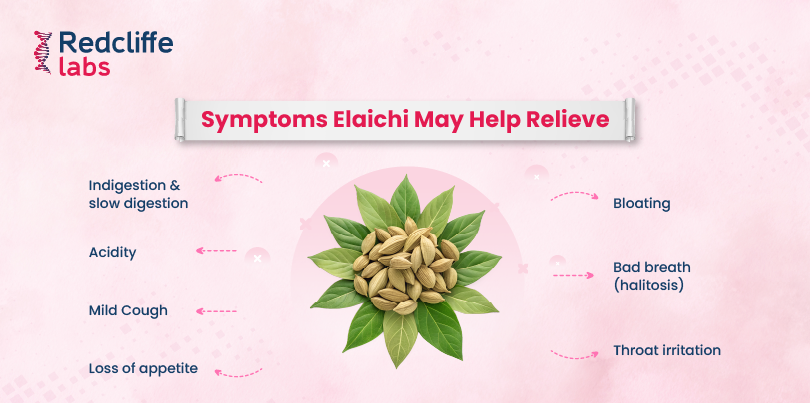
- Digestive: It stimulates digestive enzymes, boosts metabolism, and helps relieve bloating, gas, and acidity.
- Detoxifying: By supporting normal liver and kidney function, elaichi helps in the body's natural toxin removal process.
Ayurvedic Healing Properties of Elaichi
Cardamom, also known as Ela in Sanskrit, is highly relevant in Ayurveda. It has a healing power which is described through:
- Rasa (taste): Madhura (sweet) supports nourishment, while the Katu (pungent) taste stimulates digestion.
- Guna (qualities): Laghu (light), easy to digest, and Ruksha (dry) are invigorating.
- Virya (potency): Sheeta (cooling), which helps calm body heat.
- Dosha action: Balances Vata and Kapha, but may aggravate Pitta if consumed in excess.
In Ayurveda, cardamom is considered a Sattvik, tridosha-balancing spice that helps maintain harmony among Vata, Pitta, and Kapha. Consuming 1-2 pods daily for at least 15 days may bring noticeable improvements in digestion, breath freshness, metabolism, and overall well-being.
What Modern Science Says About Elaichi
Modern research backs many of the traditional claims about cardamom’s health benefits:
- Digestive Support: Cardamom is known to stimulate digestive enzyme activity, alleviate bloating, flatulence, and indigestion, and maintain normal gut motility.
- Antioxidants: Due to the antioxidant properties of many of the compounds in Cardamom, including polyphenols and flavonoids, they are believed to reduce damage caused by free radicals and protect against oxidative stress.
- Inflammatory Relief: The bioactive compounds of Cardamom, such as cineole and terpenoids, have been shown to have anti-inflammatory properties and support general wellness.
- Dental Hygiene: The antimicrobial properties of Elaichi work against oral bacteria, freshen breath, and reduce plaque accumulation.
- Cardiovascular Health: Studies suggest that Cardamom may support healthy blood pressure and lipid levels, and improve lipid profile.
- Kidney & Liver Detoxification: Cardamom may provide additional mild support for the liver and kidneys by promoting natural detoxification pathways.
How to Use Cardamom for Health Benefits
Elaichi (cardamom) can be easily incorporated into your daily routine to enjoy its digestive, antioxidant, and detoxifying properties:
- Chew 1-2 pods daily after meals. This helps improve digestion, reduce bloating, and freshen breath.
- Sprinkle ground cardamom in tea, coffee, warm milk, or smoothies for a natural flavor and health boost.
- Using cardamom in rice dishes, curries, or desserts can enhance flavor while supporting digestion and metabolism.
- To enjoy herbal decoction, combine cardamom with ginger, cinnamon, or tulsi in hot water. This helps support detoxification and reduce inflammation.
- Use cardamom essential oil only for aromatherapy unless advised by a qualified healthcare professional.
Tip: To obtain the maximum benefits from elaichi, consuming 1-2 pods daily is usually sufficient. Excessive consumption may aggravate Pitta dosha in Ayurveda.
Is there A Best Time to Consume Elaichi
Elaichi can be consumed at different times of the day, depending on the purpose:
- After meals: Helps improve digestion and freshens breath.
- In the morning, Elaichi in warm water or tea may support metabolism.
- At night (with milk): Can help calm the body and aid digestion before sleep.
Precautions and Who Should Avoid Elaichi
Eating Elaichi in moderation is considered safe. However, people in the following groups should be more careful:
- People with high Pitta, as excess intake may cause acidity or stomach irritation.
- People with gallstones should consult a doctor before adding elaichi to their meals.
- Individuals with spice allergies may experience discomfort.
- Pregnant and breastfeeding women should consume elaichi only in food quantities, unless advised by a doctor.
Interaction with Other Drugs
Cardamom may potentially interact with the following medications:
- Blood Thinners
- Blood Pressure Medications
- Gall-Bladder Related Medications
Disclaimer: If you are on long-term medication, consult a healthcare professional before using elaichi for health purposes.
Final thoughts
Elaichi (cardamom) may be small in size, but it offers several health benefits. It is considered an ancient remedy, rooted in Ayurveda and supported by modern science.
From improving digestion to freshening breath and supporting your overall well-being, elaichi can be a safe and natural addition to everyday health routines when eaten in moderation.
FAQs
-
What are the main health benefits of elaichi?
Elaichi supports healthy digestion, decreases bloating, and naturally freshens the breath. Elaichi contains antioxidants that help fight oxidative stress and support cardiovascular and metabolic health.
Ayurvedic Medicine also uses Elaichi to balance the Vata and Kapha doshas, providing overall health benefits when taken in moderation as part of a balanced diet.
-
Can elaichi help improve digestion?
Elaichi stimulates digestive enzymes and decreases gas and bloating. Chewing on Elaichi seeds after meals is a traditional Ayurvedic practice that helps promote digestion and prevent acid reflux.
The aromatic compounds in Elaichi also help relax the stomach muscles, making digestion smoother and more comfortable.
-
Is it safe to eat elaichi every day?
Elaichi is generally safe for daily consumption when taken in small amounts. Consuming one to two pods per day is sufficient to receive health benefits. However, consuming excessive amounts of Elaichi can lead to increased acidity and stomach discomfort, especially in individuals with Pitta. Therefore, moderation is absolutely key for safe & long-term use.
-
What is the best time to consume elaichi?
There is no fixed best time to consume elaichi. It can be taken after meals to aid digestion and freshen breath, in the morning with warm water to support metabolism, or at night with milk for a calming effect. The timing depends on individual health goals.
-
Can pregnant women consume elaichi?
Yes, a pregnant woman can safely consume elaichi, but only in normal amounts. Elaichi may help reduce nausea and improve digestion. A pregnant woman should avoid taking larger amounts of elaichi for medicinal purposes unless directed by a healthcare professional, as individual health conditions and sensitivities may vary during pregnancy.
-
Who should avoid consuming elaichi?
Elaichi should be consumed with caution by those who suffer from gallstones, those with spice allergies, and those who suffer from excessive Pitta. Consuming excessive amounts of elaichi may lead to stomach acidity and irritation.
Those on long-term medications, including pregnant or breastfeeding women, should consult their doctor before using elaichi frequently for medicinal use.
Leave a comment
Related Posts

Health
Importance of Heart Health Before Pregnancy: Everything You Need to Know
Health
Migraine Treatment at Home: Effective Ways to Relieve Migraines Naturally
Health
High SGPT and SGOT Levels: Causes, Symptoms, Normal Range & When to Worry
Health
What is SGPT in Blood Reports? Everything You Need to Know