3 Early Symptoms of Kidney Disease That Most People Miss

Medically Reviewed By
Dr. Mayanka Lodha Seth
Written By Anjali Dubey
on Apr 16, 2026
Last Edit Made By Anjali Dubey
on Apr 16, 2026
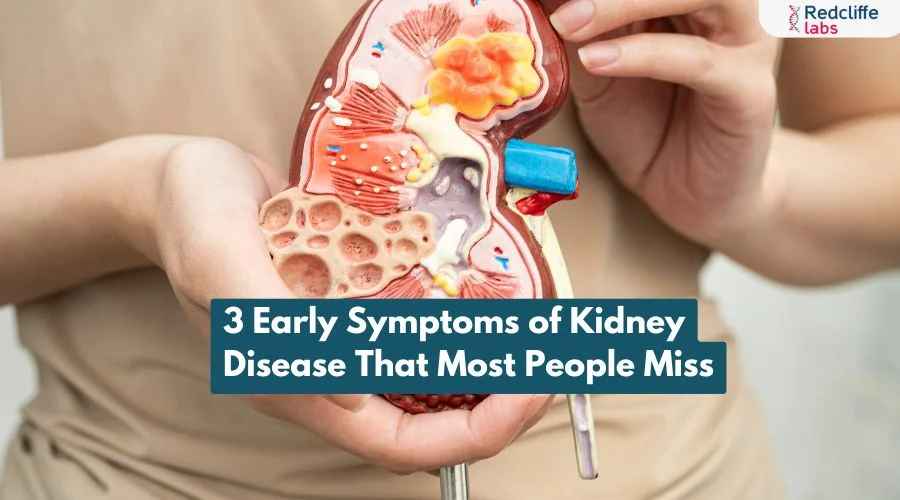
Your kidneys play a key role in keeping you healthy, but most people don't think about them until something goes wrong. Kidneys do much more than just help you urinate. They remove waste, balance fluids, support blood pressure, and keep important systems in check. When your kidneys aren't working well, your body might show small but important changes. Early signs of kidney disease can include mild swelling, feeling unusually tired, or changes in your urine. These symptoms might not seem serious at first, but they are important signals from your body.
In this blog, you'll learn about three early signs of kidney disease that people often overlook, what they could mean, and why it's important to pay attention to them to protect your health over time.
Why Is Kidney Disease Often Missed Early?
Kidney diseases grow silently without making much noise. This becomes the hardest thing about kidney diseases. It is difficult to identify the right symptoms, as many can mimic those of other diseases, so it is very important to differentiate among them. Unlike some conditions that show clear pain or discomfort, kidney damage can build slowly over time. Many people continue living their normal lives while their kidneys quietly struggle in the background.
Here are the reasons why they get missed out so often: The symptoms may feel mild
- They often look like everyday tiredness or stress
- Some signs are mistaken for aging, dehydration, or poor sleep
- Many people don't think about kidney health until things get serious
Also Read: Discover the Top Foods to Eat for Kidney Health
3 First Signs of Kidney Disease
Here are the three important and early signs that tell you about your kidney health, and you should watch out for them:
1. Foamy Urine
This is among the most overlooked early signs of kidney damage. Most people do not even think about this much. They notice bubbles or foam in the toilet and assume it's random. Once in a while, that can happen. But if it happens often, it may be worth checking.
What it can mean: Foamy urine may be a sign that protein (albumin) is leaking into your urine, and this looks like a scrambled egg. This can happen when the tiny filters in your kidneys are not working properly. One of the earliest signs of chronic kidney disease is protein in the urine, which is usually detected by a urine test.
What it may look like:
- Urine that looks frothy or bubbly
- Foam that doesn't disappear quickly
- Repeated episodes, not just once in a while
Why people ignore it: People do not recognize or even doubt it because it is not painful and does not hurt at all. And if something doesn't hurt, many people assume it isn't serious. But changes in urine are often among the body's earliest clues that something is off. So it is always advised that if you notice frequent foamy urine, especially along with swelling or tiredness, it's worth getting tested.
2. Swelling in the Feet, Ankles, Face, or Around the Eyes
Sometimes, when you get more tired and do not get proper hours of sleep, you will see puffiness of the eyes that looks harmless. Maybe your sandals feel tighter by evening. Maybe your socks leave marks. Maybe your face looks slightly swollen in the morning. Many people think it's salt, poor sleep, weather, or fatigue. So sometimes it is, but sometimes it can point towards your kidneys.
What it can mean: When the kidneys don't remove extra fluid and salt properly, that fluid can build up in the body. This can lead to swelling, also called edema. Swelling in the legs, feet, ankles, hands, or even around the eyes can happen with kidney problems, especially when protein leaks into the urine.
What it may look like
- Puffy ankles by the evening
- Swollen feet or tight shoes
- Puffiness around the eyes in the morning
- Marks on skin after removing socks
Why people ignore it: As the symptoms are not constant, people tend to delay action. And when symptoms are not constant, people tend to delay action. But if swelling keeps recurring, especially without an obvious reason, it should not be ignored. If swelling keeps coming back, feels unusual, or is accompanied by changes in urine or fatigue, it warrants a proper check-up.
3. Constant Tiredness or Low Energy
This symptom is the most ignored, as it is the most common. Everyone feels tired due to work pressures, stress, screen time, long travel hours, hormonal changes, and many other factors. These things drain your energy, as many of us know, but they also drain your kidney health; this is something that will never come to mind. Persistent tiredness can sometimes be one of the body's quieter warnings.
What it can mean: When your kidneys are not working well, waste products can build up in the body. Kidney disease can also contribute to anemia, which means your body may not carry oxygen as efficiently. Both can leave you feeling tired, weak, mentally foggy, or low on energy.
What it may look like
- Feeling tired even after rest
- Low energy throughout the day
- Trouble focusing
- Feeling unusually weak or "drained."
Why people ignore it: Getting tired or exhausted feels normal in this modern life. If this exhaustion becomes a daily habit and does not improve over time, it directly means your body is demanding rest. If fatigue stays for weeks, keeps worsening, or comes with swelling or urine changes, don't keep guessing and get it checked in the first place.
Other Early Signs That Can Sometimes Show Up
These may not happen to everyone, but they are also worth noticing.
-
Needing to pee more often, especially at night: If you keep waking up at night to pee more than usual, your kidneys may be trying to signal that something is not working the way it should.
-
Blood in urine: If you ever notice blood in your urine, even a little, do not ignore it. It may happen for many reasons, and kidney problems can be one of them.
-
Puffy eyes in the morning: If your eyes often look swollen or puffy after waking up, it may mean your body is losing protein through urine, which can sometimes point to kidney trouble.
-
Poor appetite or nausea: If you often feel like eating less, feel nauseated, or lose interest in food for no clear reason, your kidneys may not be filtering waste properly.
-
Dry or itchy skin: If your skin feels unusually dry, rough, or itchy repeatedly, it may not just be a skin issue. Sometimes, kidney problems can also show up this way.
Who Is More Likely to Develop Kidney Disease?
Some people have a higher risk, even before symptoms show up. You may be at higher risk if you have:
- Diabetes
- High blood pressure
- Heart disease
- Obesity
- A family history of kidney disease or kidney failure
- Long-term use of certain pain medicines
- Older age
Note: Diabetes and high blood pressure are among the biggest risk factors for chronic kidney disease. If you have either of these, regular kidney testing becomes even more important.
Simple Daily Habits That Support Kidney Health
These are not a cure, but they do support overall kidney health.
1. Stay hydrated
Drink enough water throughout the day so your kidneys can properly remove waste from your body. Water helps them do their job better. But if your doctor has asked you to limit fluids, always follow their advice first.
2. Manage blood pressure
High blood pressure can slowly damage the tiny blood vessels in your kidneys. This makes it harder for them to work properly over time. Keeping your blood pressure in a healthy range can help protect your kidneys in the long run.
3. Keep diabetes under control
High blood sugar can quietly harm the kidneys over time, especially if it stays uncontrolled for too long. That is why managing diabetes carefully is very important. Stable sugar levels can help lower the risk of future kidney damage.
4. Don't overuse painkillers
Taking painkillers too often or for a long time can put extra pressure on your kidneys. Many people use them casually without thinking much, but regular overuse can be harmful. Always take medicines only as needed and as advised.
5. Get regular health checkups
Kidney problems often do not cause noticeable symptoms in the early stages, which is why regular health checkups matter. Simple tests can help detect changes early. Sometimes, finding a problem sooner can make treatment easier and more effective.
In a world where people quickly search for updates on everything, from the cicada covid variant BA.3.2 to food trends and fitness hacks, it's equally important to stay aware of the quiet health issues that often go unnoticed. And kidney disease is one of them.
Also Read: Kidney Failure and the Role of Kidney Function Tests
Conclusion
Kidney disease does not always start with pain or any big warning sign. In many cases, it begins quietly with subtle physical changes such as foamy urine, swelling, fatigue, changes in urination, or loss of appetite. These signs may not feel serious at first, but if they keep happening, they should not be ignored. The good part is that kidney problems can often be detected early with simple blood and urine tests. So if your body feels different or something does not feel right, it is always better to get checked out rather than wait.
And taking care of your kidneys isn't just about tests. It is also about making better daily health choices. That is where Redcliffe Labs can support you with free doctor and diet consultations, so you can better understand your health, get the right guidance, and take the right steps at the right time. Because sometimes, the smartest thing you can do for your health is to listen to the small signs before they become big problems.
FAQs
1. What are the early warning signs of kidney disease?
Early warning signs of kidney disease can include foamy urine, swelling in the feet or face, feeling tired all the time, changes in urination, poor appetite, or puffy eyes. These signs often seem small at first, which is why many people do not notice them early.
2. How do you know if your kidneys are not working properly?
You may notice signs such as frequent urination, swelling, fatigue, nausea, foamy urine, or dry, itchy skin. Sometimes, there may be no obvious symptoms in the beginning. That is why blood and urine tests are often the best way to properly assess kidney health.
3. What are the first symptoms of kidney problems in adults?
The first symptoms of kidney problems in adults are often very mild and easy to ignore. These may include feeling tired, changes in urination, swelling in the ankles, puffy eyes, or foamy urine. In many people, the symptoms do not feel serious at first.
4. Can kidney disease start without symptoms?
Yes, kidney disease can begin without any clear symptoms, especially in the early stages. That is why it is often called a silent health problem. Many people only find out through routine tests. Early testing can help catch kidney issues before they become more serious.
5. What are the silent signs of kidney damage?
Silent signs of kidney damage may include constant tiredness, mild swelling, foamy urine, puffy eyes, poor appetite, or changes in urination. These signs can look very normal in daily life, which is why they are often missed until the kidney problem becomes more advanced.
6. Why does fatigue occur in early kidney disease?
Fatigue can occur in early kidney disease because the kidneys may not remove waste products from the body effectively. As waste starts building up, you may feel weak, low on energy, or mentally drained. Kidney disease can also lead to anemia, which can increase tiredness.
7. Is swelling in the feet a sign of kidney problems?
Yes, swelling in the feet can sometimes be a sign of kidney problems. When the kidneys are not working properly, the body may start holding on to extra fluid and salt. This can lead to swelling in the feet, ankles, hands, or even around the eyes.
8. What changes in urination indicate kidney disease?
Changes in urination that may indicate kidney disease include peeing more often, especially at night, foamy urine, dark urine, blood in the urine, or passing less urine than usual. If these changes keep happening, it is a good idea to get your kidney health checked.