Dry Skin Treatment: Causes, Symptoms & Expert Care Tips

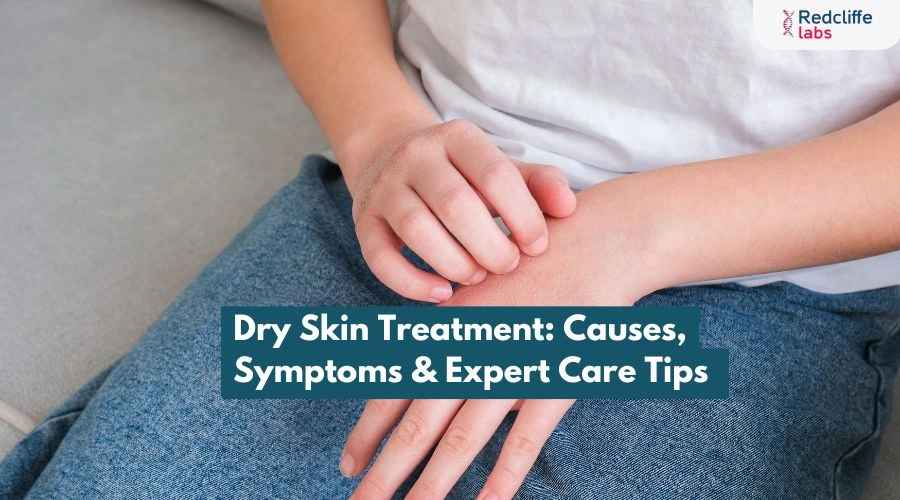
Every morning, you wash your face and immediately feel your skin tighten, get rough, and even flake. Are you among those who regularly suffer from dry skin but don't know why or how to treat it? Is your environment, your food, or your skincare routine to blame? Could it be a symptom of a deeper problem?
Dry skin treatment is not just about applying a moisturizer and hoping for the best. It involves understanding the underlying cause of your skin's moisture loss, learning to detect when professional help is required, and identifying which ingredients help treat your condition. Today's blog explains everything clearly, from the science of skin hydration to simple, effective daily care routines.
What Is Dry Skin?
Dry skin, medically termed xerosis, is a condition in which the skin surface cannot retain enough moisture. Healthy skin has a protective barrier made of lipids (natural fats) that lock in water and keep out environmental irritants. When this barrier is weakened or damaged, water evaporates from the skin surface faster than the body can replenish it.
This is not simply a cosmetic issue. Xerosis may lead to cracked skin, which can increase the risk of secondary bacterial infections. It is one of the most common skin conditions.
Common Causes of Dry Skin
Various factors, ranging from internal to external causes, may lead to dry skin. Understanding the cause will help you select the most appropriate dry skin treatment.
1. Weather Changes
Cold weather, combined with reduced humidity, can cause skin to dry out. Indoor heating systems can further worsen the condition.
2. Hot Showers and Harsh Soaps
Spending too much time in hot baths removes the skin's natural moisture. Harsh soaps, detergents, and alcohol-containing products may further irritate the skin.
3. Aging
Older people tend to have less oily skin, increasing the risk of dry skin after age 40.
4. Dehydration
Inadequate fluid intake may contribute to overall dehydration, which can sometimes worsen skin dryness.
5. Medical and Skin Conditions
Certain conditions are linked with dry skin, including:
- Eczema/atopic dermatitis: a condition characterized by inflammation that severely disrupts the skin barrier.
- Psoriasis: This causes excessive growth of skin cells, resulting in dry skin and scales.
- Hypothyroidism: An underactive thyroid reduces sweat and oil gland activity, leading to dryness.
- Diabetes: Poorly controlled diabetes may impair circulation and nerve function, contributing to skin dryness.
- Vitamin deficiency: Lack of vitamins A, E, or fatty acids affects skin hydration.
Repeated washing or sanitizing can remove protective oils, especially from the hands.
Also read:
Symptoms of Dry Skin
Dry skin symptoms may vary from mild discomfort to severe irritation.
- Tightness -More noticeable after bathing, showering, or swimming.
- Scaly or rough surface- The skin becomes very dry and scaly, looking like sandpaper.
- Itching (pruritus) -Often chronic and may be worse at night, disrupting sleep.
- Ashy or grey skin tone - Skin appears dull, especially on darker skin tones.
- Fine cracks or lines - Especially on joints such as the fingers, knees, and heels.
- Inflammation and Redness- Indicate a significant problem with the skin barrier.
- Deep Cracks that Bleed: A severe form of dryness that needs medical help.
Proven Dry Skin Treatment Methods
For optimal dry skin treatment, it is vital to add moisture and protect the skin barrier. The effectiveness of the treatment will depend on the severity and cause of dry skin.
1. Use a Gentle Moisturizer
It is essential to use creams and ointments that help retain moisture in the skin.
Look for ingredients such as:
- Hyaluronic Acid – A powerful humectant that helps attract and retain moisture in the skin.
- Glycerin – Well-known humectant; efficient, affordable, and suitable for all skin types.
- Ceramides - Skin lipids which are used topically to repair the damaged skin barrier.
- Urea (5-10%) – A keratolytic agent that softens thickened, rough skin while attracting moisture.
- Shea Butter, Jojoba Oil – Natural moisturizers that mimic the skin's own oils without clogging pores.
- Petrolatum (Petroleum Jelly) – An effective occlusive ingredient that helps reduce moisture loss, especially in very dry or cracked areas.
Apply moisturizer immediately after bathing while the skin is still slightly damp for better absorption.
2. Switch to Mild Cleansers
Avoid harsh soaps. Use fragrance-free and gentle cleansers. Soaps containing strong chemicals or fragrances may worsen dry skin in individuals who already have it.
3. Take Short Lukewarm Showers
Hot water removes natural oils quickly. Short showers with lukewarm water are usually better for maintaining skin moisture.
4. Use a Humidifier
Adding moisture to indoor air can help prevent excessive dryness, especially during winter months.
5. Stay Hydrated
Adequate hydration supports overall body function and may help maintain skin health, although drinking water alone may not completely treat dry skin.
6. Avoid Scratching
Scratching dry skin may increase irritation and further damage the skin barrier.
7. Wear Soft Fabrics
Cotton clothing is generally gentler on dry skin than rough wool or synthetic fabrics.
Also read:
https://redcliffelabs.com/myhealth/food-and-nutrition/8-amazing-foods-for-glowing-skin/
Natural Treatments for Dry Skin
Certain treatments can be effective for mild cases of dry skin when applied properly.
1. Coconut Oil
Coconut oil may help reduce moisture loss because of its emollient and occlusive properties.
2. Aloe Vera
Aloe vera gel may soothe irritated and dry skin.
3. Oatmeal Baths
Colloidal oatmeal baths are commonly used to calm itching and irritation.
4. Honey
Honey has natural moisturizing properties and may support skin healing.
Natural remedies may not replace medical treatment for severe skin dryness or eczema.
When Should You See a Doctor?
Seek medical advice if:
- Your dryness is severe and does not improve with regular moisturizing.
- You develop deep cracks that bleed or ooze.
- Your skin itching is intense and disrupts your sleep.
- You notice large areas of peeling or redness.
- If dryness is accompanied by fatigue, unexplained weight changes, or other systemic symptoms (which may point to thyroid or metabolic conditions).
Tips to Prevent Dry Skin
Preventive skincare habits can reduce future dryness and irritation.
Daily Prevention Tips
- Apply moisturizer twice a day.
- Do not use very hot water.
- Apply a broad-spectrum sunscreen regularly.
- Select fragrance-free skin care products.
- Drink enough water
- Don't over-exfoliate
- Wear gloves when you clean.
- Keep indoor humidity up.
Dry Skin Treatment for Different Body Areas
Treating dry skin requires a targeted approach. Different areas of the body lose moisture at different rates because skin thickness, oil production, and environmental exposure vary from one area to another. The use of area-specific skin care practices can help restore hydration and skin barrier function.
Face
Apply light, non-comedogenic creams and avoid harsh exfoliating products.
Hands
Frequent moisturization post-hand wash is crucial. Thick lotions and creams are usually effective.
Feet
Urea-containing creams may be used, especially when applying moisturizer at night using cotton socks.
Lips
Petroleum jelly may prevent chapping.
Diet and Internal Hydration
Your diet may influence skin barrier health and overall skin hydration. According to medical research, omega-3 fatty acids, found in flaxseeds and walnuts, help maintain the lipid content of the skin barrier.
Vitamin A (found in carrots and sweet potatoes), vitamin C (found in citrus fruits), and vitamin E (found in almonds and sunflower seeds) support healthy skin cell renewal and barrier function.
Fluid requirements vary by age, climate, activity level, and health status, but many adults are commonly advised to maintain adequate daily fluid intake.
Also read:
https://redcliffelabs.com/myhealth/diet-plan/7-day-indian-diet-plan-for-glowing-skin/
Conclusion
Dry skin is a common skin condition that seasonal changes, harsh skincare products, dehydration, old age, or certain medical conditions can cause.
In most cases, mild skincare, moisturizing, and healthy daily habits can improve dryness and restore skin comfort over time.
Neglecting the issue can lead to complications such as
- Infections
- Irritation
- Skin cracking.
Seeking medical advice is helpful when symptoms become severe or persist for a long time.
FAQs
What is the best treatment for dry skin?
Effective treatment of dry skin usually includes frequent application of moisturizers with active ingredients such as ceramides, glycerin, or hyaluronic acid. In addition, gentle cleansing routines, shorter lukewarm showers, and avoiding aggressive skincare products may help restore the skin barrier. Persistent or severe dry skin may require medical evaluation to identify underlying skin conditions or possible nutritional deficiencies.
Can dry skin go away naturally?
Mild dry skin may improve naturally when the skin barrier recovers, and moisture levels return to normal. Drinking enough water, avoiding harsh soaps, and using a regular moisturizer can support healing. Nevertheless, if dryness is associated with conditions such as eczema, dermatitis, or allergic reactions, it may not improve without proper skincare or professional treatment recommendations.
Which moisturizer is best for dry skin?
Moisturizers containing ceramide, hyaluronic acid, shea butter, glycerin, or petroleum jelly are considered effective for dry skin. Creams and ointments provide better hydration than lightweight lotions. It is also safer to choose fragrance-free products to protect sensitive skin from irritation. Individuals with extremely dry skin can benefit from applying moisturizers immediately after bathing to help retain moisture. Using appropriate moisturizers for sensitive, dry skin can reduce flakiness and itchiness.
Is dry skin a sign of a health problem?
Sometimes, dry skin can be associated with eczema, diabetes, hypothyroidism, or nutrient deficiencies. Most often, dry skin results from changes in weather, aging, or improper skin care. However, if the dryness is severe, painful, associated with bleeding cracks, or accompanied by intense itching, consult a healthcare professional.
Can air conditioning cause dry skin in summer?
Yes, using an air conditioner can also contribute to dry skin during hot weather. Air conditioners remove moisture from the skin, leaving it feeling tight, rough, or irritated. To prevent dry skin, you should use a moisturizer. Spending long hours in an air-conditioned setting can aggravate the condition, particularly for those with sensitive skin. Applying a good moisturizer and ensuring adequate hydration may help maintain proper skin hydration.