Black Pepper Benefits: Nutrition, Health Uses & Side Effects

Medically Reviewed By
Dr. Geetanjali Gupta
Written By Sheena Mehta
on Jan 5, 2026
Last Edit Made By Sheena Mehta
on Jan 28, 2026

Black pepper (Kali Mirch), often referred to as the “King of Spices,” is not only a kitchen mainstay but also holds an important place in both Ayurvedic and modern nutritional practices. The wide-ranging black pepper benefits make it one of the most valued spices for both flavour and health.
Black pepper contains bioactive compounds that aid digestion, promote immunity, and improve general metabolic function.

What is Black Pepper?
Black pepper is derived from the dried, unripe berries (peppercorns) of the Piper nigrum vine. The spice is originally from India and has been used for centuries because of its unique scent, sharp taste, and medicinal uses.
Chemically, black pepper’s pungency is attributed to piperine, whereas the heat of chilli peppers comes from capsaicin. Piperine is responsible for most black pepper benefits, including improved digestion and nutrient absorption.
Black pepper can be found either in whole peppercorns or in ground form. Grinding peppercorns fresh releases essential oils, delivering stronger aroma, better flavour, and enhanced health benefits.
1. Approximate Nutritional Value of Black Pepper (Per 100 g)
Black pepper is rich in essential nutrients and antioxidants:
| Energy | 255 kcal | ||||||||||||||||
| Carbohydrates | 64 g | ||||||||||||||||
| Dietary Fiber | 26 g | ||||||||||||||||
| Protein | 10 g | ||||||||||||||||
| Fat | 3 g | ||||||||||||||||
| Key Compound |
| ||||||||||||||||
| Vitamins | Vitamin C, Vitamin K | ||||||||||||||||
| Minerals | Iron, Calcium, Potassium, Magnesium |
2. Improves Digestion & Gut Health
By stimulating the release of hydrochloric acid and digestive enzymes in the stomach. .When consumed in moderation, it can help reduce bloating, gas, and indigestion.
Also read:
3. Enhances Nutrient Absorption
Piperine increases the bioavailability of an array of nutrients including:
- Curcumin (from turmeric)
- Calcium
- Selenium
- Vitamin B complex.
Hence, incorporating black pepper to your daily meals can enhance the absorption of essential nutrients through the digestive tract.
4. Supports Weight Management
Black pepper may help limit fat accumulation by influencing fat metabolism. Its thermogenic properties support calorie burning, making it useful in weight management diets when combined with exercise and balanced nutrition.
5. Boosts Immunity and Fights Infections
Kali Mirch (black pepper) is rich in antioxidant and antimicrobial properties, which help strengthen the immune system. It may protect against seasonal infections, cough, cold, and mild respiratory issues.
6. Helps Regulate Blood Sugar Levels
Piperine may improve insulin sensitivity and increase glucose metabolism. Black pepper may be a good option for those on a diabetes-friendly diet if consumed in moderation.
7. Black Pepper May Support Heart Health
The antioxidant properties of black pepper help reduce oxidative stress and improve inflammation, both of which contribute to cardiovascular disease. By improving lipid metabolism, it may also assist in maintaining healthy cholesterol levels.
8. May Provide Respiratory Relief
Black pepper is used in Ayurvedic medicine to treat cough, sinus congestion, and sore throat. Its warming nature helps reduce mucus buildup in the airways, making breathing easier during the winter months (when many people experience increased sinus congestion).
9. Improves Brain Function & Mood
Piperine is the active component of black pepper and may enhance the neurotransmitter activity in the brain. Research has shown that Piperine may also improve the ability to concentrate and remember information, as well as support healthy moods.
10. Common Uses of Black Pepper in Daily Life:
- Added to curries, soups, and salads for brightness and depth
- Mix with turmeric and milk (golden milk)
- Used in herbal teas for cold relief
- Included in Ayurvedic remedies
- Mix with oil and other seasonings to flavor vegetables
- Mix in cookies or breads to add a subtle warmth.
- A refreshing iced chai drink with a pinch of black pepper, milk, and ice cubes.
- Relish crispy tofu tossed in black pepper and soy sauce glaze.
- Mix with turmeric, cumin, garlic, and other spices to boost nutrient absorption.
Other Potential Health Benefits of Black Pepper
- Skin health: Antioxidants protect skin cells from damage and may support clearer skin.
- Hair health: Better blood flow may bring more nutrients to hair follicles.
- Anti-ageing support: Helps combat free radical damage.
- Support Detoxification: Stimulates digestion and toxin elimination.
- May help reduce oxidative stress, which is linked to cancer risk, due to the presence of Vitamin A, antioxidants, and carotenoids.
Possible Side Effects of Black Pepper
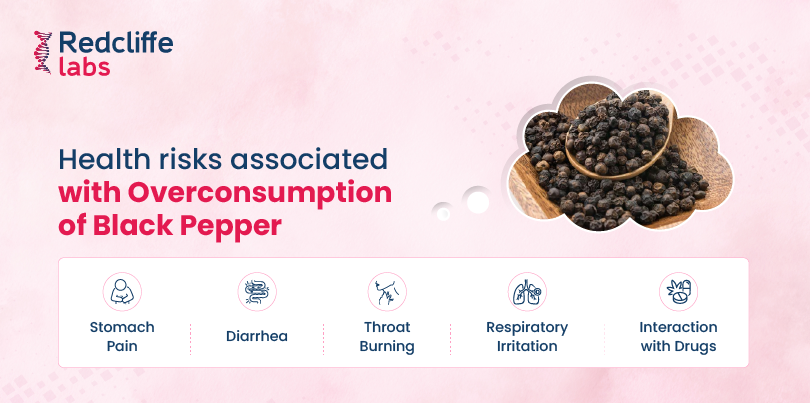
Black pepper is a small spice with big health benefits. While black pepper is safe in culinary amounts, excessive intake may cause:
- Stomach Irritation: Stomach pain, Bloating, Indigestion, and Diarrhea.
- Burning Sensation: Burning sensation in the abdomen, and even in throat.
- Worsening of Ulcers: Due to stomach lining and increasing stomach acid production.
- Drug interaction due to increased absorption: Should be used in moderation as black pepper may enhance the absorption of drugs.
Note: People with sensitive digestion or gastric issues should consume it cautiously.
Doctor’s Suggestion
Include black pepper as part of your balanced diet, but avoid too much consumption. Do not consider it as a substitute for medical treatment. Individuals with digestive disorders or those on long-term medication should consult a doctor before increasing intake.
The Bottom Line
Black pepper is not just a flavor-enhancing spice, it is a powerful digestive aid that helps with nutrient absorption, immunity, and metabolic health. When used wisely, the long-term black pepper benefits may also extend to heart, brain, skin, and respiratory health.
Balance and moderation are key to enjoying its benefits safely.
FAQs
1. Who should avoid black pepper?
People with acid reflux, gastritis, stomach ulcers, or sensitive digestion, should avoid black pepper or consume it in moderation. Black pepper may irritate the stomach lining when consumed in large quantities.
Those who are on prolonged medications or have a known sensitivity to spicy foods should consult their doctor before increasing black pepper consumption.
2. Is black pepper good for eyesight?
Black pepper has antioxidant properties, and vitamin A that may help protect eye cells from oxidative stress. While black pepper supports the general health of your eyes, it does not treat specific vision problems.
A healthy diet rich in foods that provide vitamins A, C, and E, lutein, and zeaxanthin is important to maintaining your overall eye health.
3. Can black pepper help with digestion?
Yes. Black pepper stimulates the production of digestive enzymes and stomach acid, which helps improve digestion. It may reduce bloating, gas, and indigestion when consumed in moderation. However, consuming too much black pepper may irritate the stomach and should be avoided.
4. Does black pepper help in weight loss?
Black Pepper's ability to boost metabolism and prevent new fat cell formation. Black Pepper also produces a thermogenic effect. This means it may help to burn more calories. However, it's best combined with healthy eating and exercise.
5. Does black pepper interact with medicines?
Yes, black pepper may increase the absorption of certain medicines due to piperine. This can enhance or alter drug effects. People taking long-term medications should consult a healthcare professional before consuming large amounts of black pepper.
6. How much black pepper should be consumed daily?
There is no exact recommended dose, but a pinch to half a teaspoon of black pepper per day in cooking is usually considered safe. Excessive intake may cause digestive discomfort and should be avoided.
7. Is it safe to eat black pepper daily?
Yes. It is safe for most individuals to consume black pepper daily in small culinary amounts. Regular moderation is key, as excessive intake may lead to acidity, stomach irritation, or discomfort, especially in individuals with sensitive digestion.
Leave a comment
Related Posts

Health
Importance of Heart Health Before Pregnancy: Everything You Need to Know
Health
Migraine Treatment at Home: Effective Ways to Relieve Migraines Naturally
Health
High SGPT and SGOT Levels: Causes, Symptoms, Normal Range & When to Worry
Health
What is SGPT in Blood Reports? Everything You Need to Know