11 Science-Backed Ginseng Benefits: Uses, Side Effects, Dosage, and How to Take It

Many people search for ginseng benefits because they wish they had more energy, were sharper during meetings, or felt it might offer a natural boost. The real question is whether it works and whether it's safe to consume.
You have probably heard the word "ginseng" before, possibly on the label of an energy beverage, in some tea at a health store, or from someone who claims it helps them stay alert during their long workdays. But what is ginseng, and what are its health benefits?
Ginseng is one of the oldest and most widely studied herbal medicines; it has been used for many years in traditional Chinese and Korean medicine for a range of ailments, from low energy to low immunity. Today, the modern approach is beginning to support several of the traditional uses of ginseng, although more evidence is still needed for some claims. If you have ever wondered whether ginseng is something you want to try or what it does to your body, this blog will explain it all.
What Is Ginseng?
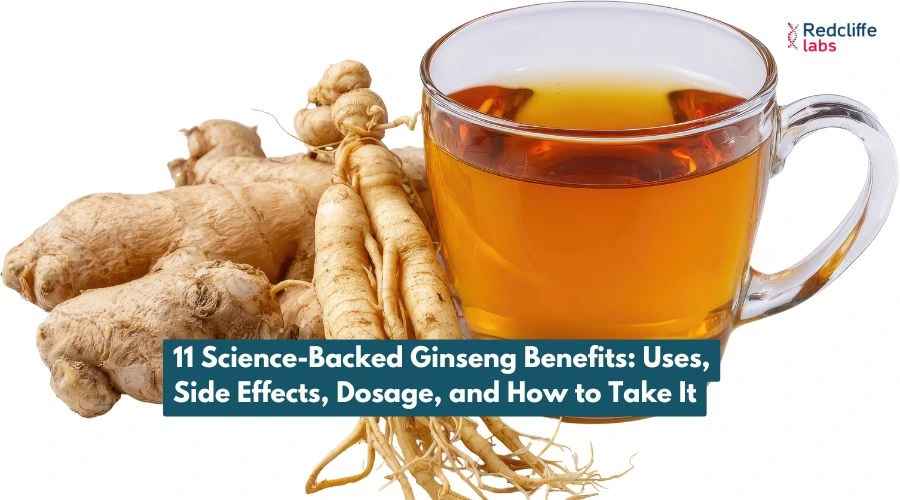
Ginseng is a medicinal herb, primarily derived from Asian ginseng (Panax ginseng), also called Korean or Chinese ginseng, and American ginseng (Panax quinquefolius). However, Siberian ginseng is not regarded as authentic ginseng. It can be found as capsules, tablets, extracts, teas, and various other forms; different products can vary widely in quality and strength.
| Type | Origin | Main Uses |
| Asian/Korean Ginseng | Korea, China | Energy, stamina, cognition |
| American Ginseng | North America | Stress relief, immunity |
| Siberian Ginseng/Eleuthero Ginseng | Different plant | Adaptogen does not contain the active ingredient of Ginseng. |
Adaptogenic herb; not a true ginseng species and does not contain Panax ginsenosides, the primary active compounds found in Panax species. These chemical substances are believed to be responsible for most of the reported health benefits. The kinds and quantities of ginsenosides vary from one species to another and can have somewhat different effects despite being related.
Ginseng is available as:
- Fresh root (sliced and chewed or steeped)
- Dried powder or capsules
- Liquid extracts or tinctures
- Teas
- Ginseng supplements
11 Science-Backed Benefits of Ginseng
Ginseng is often used for a few main reasons, and these are the benefits readers usually want to understand first. The following are some possible uses of the product, which may vary depending on the type of ginseng and its overall quality.
1. Boosts Energy and Reduces Fatigue
- Supports energy production: Ginsenosides may support cellular energy metabolism, potentially contributing to improved energy production and reduced fatigue.
- Helps combat oxidative stress: The antioxidant properties of ginseng help protect muscles and tissues from oxidative stress, which contributes to fatigue, especially after physical activity.
- May improve oxygen utilization during exercise: Some studies suggest that ginseng may improve oxygen utilization during exercise, although findings remain inconsistent.
- Supports healthy glucose metabolism: Proper glucose levels help prevent sudden energy fluctuations, thus avoiding midday exhaustion.
- Promotes sustained alertness: Unlike caffeine, ginseng may support alertness without producing stimulant-related effects in some individuals.
2. Improves Mental Clarity and Focus
Ginseng is a traditional remedy for brain health. Research suggests that ginsenosides may help improve attention, concentration, learning, and memory by protecting nerve cells and reducing oxidative stress in the brain.
A few clinical trials also reveal that ginseng can enhance mental performance during demanding cognitive tasks, but further studies are required to confirm long-term benefits.
3. Supports Mental Well-being
In addition to physiological well-being, ginseng may support mental and emotional well-being. It may influence the body's hormonal response to stress and support psychological balance. The herb may influence the hypothalamic-pituitary-adrenal (HPA) axis, which plays an important role in the body's stress response.
Some studies suggest that ginseng may help reduce stress and improve mood, although more high-quality clinical research is needed.
4. Strengthens the Immune System
Several studies suggest that ginseng may support healthy immune function, including
- Promoting the activity of immune cells such as T cells, B cells, and natural killer (NK) cells.
- May reduce the likelihood of developing common respiratory infections for some individuals.
- Modulates the inflammatory response, which ensures proper functioning of the immune system.
- Some research also suggests it can shorten the duration of common cold symptoms.
5. Helps Maintain Healthy Blood Sugar Levels
Some research indicates that ginseng can increase insulin sensitivity and enhance glucose metabolism, thereby promoting healthy blood sugar levels. Nonetheless, ginseng should not be used as a replacement for diabetes medications, and people taking diabetes medications should consult their healthcare provider before taking ginseng supplements.
6. Supports Heart Health
The antioxidant and anti-inflammatory properties of ginseng may support cardiovascular health and help maintain healthy blood pressure levels. The key ingredients of ginseng are called ginsenosides, and they may help protect blood vessels and reduce oxidative stress.
- Contains antioxidant compounds to combat oxidative stress and protect blood vessels.
- May support healthy blood circulation
- There is some evidence that ginseng may help support healthy blood pressure and cholesterol levels.
7. Promotes Healthy Skin and Slows Signs of Aging
- Powerful antioxidants help protect skin cells from free radical damage.
- May support collagen production for firmer skin.
- Helps reduce inflammation that contributes to redness and irritation.
- Improves blood circulation for a natural skin glow.
- May help reduce skin discoloration.
8. May Improve Physical Performance
Recent studies on ginseng and physical performance are mixed, and its benefits may depend on the type of ginseng used, dosage, physical fitness level, and individual responses.
- Increases energy production: Ginsenosides may increase energy production (ATP) within cells, which may support sustained energy during exercise.
- May reduce exercise-induced fatigue: Antioxidant properties may reduce oxidative stress, thereby aiding quicker muscle recovery after workouts.
- Increases oxygen-use efficiency: Research suggests that ginseng may enhance the body's oxygen utilization during exercise, potentially supporting endurance.
- May improve stamina and endurance: Regular supplementation may enhance workout performance while reducing fatigue in some individuals.
- Post-workout recovery support: Decreasing inflammation and oxidative damage can lead to faster post-exercise recovery.
9. Supports Sexual Health
Several studies have shown that Korean ginseng may improve erectile function in certain men by possibly supporting nitric oxide production and healthy blood flow. and healthy blood circulation. However, results vary; therefore, Korean ginseng should not replace prescription medications for sexual dysfunction.
10. Rich in Antioxidants
In ginseng, ginsenosides and other powerful antioxidants help neutralize free radicals. This may help reduce oxidative stress, protect cells from damage, and support overall health.
11. May Support Healthy Aging
Since ginseng reduces oxidative stress and inflammation, it may help prevent age-related cellular damage. The antioxidant and adaptogenic properties of ginseng can support brain function, energy levels, and overall well-being as we age. However, more long-term human studies are needed to confirm these effects.
Nutritional Components of Ginseng
Although ginseng is not a significant source of calories or essential nutrients, it contains several bioactive compounds that contribute to its potential health benefits.
| Components | Potential Role |
| Ginsenosides | Primary active compounds are responsible for many of ginseng's reported health benefits. |
| Polysaccharides | May support immune function and antioxidant activity. |
| Polyphenols | Help protect cells against oxidative stress. |
| Peptides | May contribute to healthy cellular function. |
| Essential Oils | Contribute to the herb's aroma and biological activity. |
| Vitamins & Minerals | Present in small amounts but are not the primary reason ginseng is consumed. |
Common Uses of Ginseng: From Tea to Supplements
- Dried ginseng root: The dried root of the ginseng plant is chewable, can be placed in hot water to make tea, and has been used in traditional medicine for centuries.
- Ginseng tea: This is a common way to consume ginseng and may offer potential health benefits, including promoting relaxation and vitality.
- Capsules: The ginseng capsules are very convenient to take since they often provide a standardized dose of the supplement.
- Liquid extract: Liquid extracts of ginseng are quickly absorbed and can be mixed with water or other beverages.
- Powder: The powdered form of ginseng is easily soluble and can be used in smoothies, yogurt, oatmeal, and juice.
- Functional foods: Energy bars, beverages, and chocolates, among others, contain ginseng as a functional ingredient.
- May support skin health: These are ginseng-containing skincare products that benefit skin health.
- Culinary ingredient: Ginseng is used in soups and broths, as well as in other Asian dishes.
Ginseng Side Effects and Safety Considerations
However, ginseng has some risks, and it is important to say this clearly in a health blog. The common adverse effects that have been reported include:
- Nervousness
- Restlessness
- Headache
- Insomnia
- May affect blood clotting
- May lower blood sugar
- Gastrointestinal discomfort
More serious concerns can include palpitations, elevated blood pressure, allergy, and menstrual irregularities. For this reason, people with underlying medical conditions or those taking prescription medications should consult a healthcare provider before using ginseng.
Who Should Avoid Ginseng?
The following groups of people should avoid or strictly consult a doctor before taking ginseng:
- Pregnant and breastfeeding individuals
- People with autoimmune diseases
- Children (unless advised)
- People on blood thinners
- Bleeding disorders
- People taking diabetes medications
- Before surgery
- Individuals with hormone-sensitive conditions such as breast cancer, uterine fibroids, or endometriosis.
- People with uncontrolled hypertension.
Does Ginseng Interact with Medications?
Yes. Ginseng can interfere with some drugs, such as anticoagulants, diabetes medication, some blood pressure medications, immunosuppressants, and stimulants. These interactions could alter the effectiveness of these drugs or cause side effects. If you have prescription medicine, you should check with your doctor before using ginseng.
Ginseng for Weight Management: What Does the Research Say?
Even though ginseng does not appear to be a wonder drug for weight loss, it may offer weight-management benefits when combined with healthy eating habits and physical activity. Some research suggests that ginseng may modestly influence metabolism and improve glucose utilization in some individuals.
When to See a Doctor?
You should see a doctor if:
- Symptoms persist despite supplementation
- Severe side effects occur
- You have a chronic medical condition
- Planning long-term use
Conclusion
Ginseng has been used in herbal medicine for many years, and scientific research has shown several benefits of this plant, including increased energy levels, improved mental performance, support for immune function, and healthy aging. The effectiveness of ginseng can vary depending on the type of product, dosage, and the individual's health. Although it is relatively safe for healthy people to consume, it is not meant to replace healthy eating habits and physical exercise. Consult your doctor if you have any preexisting medical conditions.
FAQs
-
Can I take ginseng every day?
Healthy adults may take ginseng for short periods when used according to product instructions or under medical guidance. Nevertheless, frequent consumption of large amounts of ginseng can cause various side effects like insomnia, headaches, and stomach problems. If you have some underlying health issues, are pregnant, or are on prescription drugs, then talk to your doctor before starting to use ginseng.
-
How long does it take for ginseng to work?
It is impossible to say how long it takes for ginseng to start working because it depends on its effects and your health condition. You may feel energized or more focused after just a few days of consuming ginseng, but for effects like strengthening the immune system or lowering your blood sugar levels, several weeks will be required.
-
Is ginseng good for immunity?
Scientists believe that ginseng can help boost the immune system by increasing the activity of specific immune cells and regulating inflammation. Ginseng has also been shown to reduce the risk and duration of colds and flu; however, it cannot replace vaccines or prescribed medications.
-
Can people with diabetes take ginseng?
There have been claims that ginseng may improve insulin sensitivity and healthy blood sugar levels. Nevertheless, this herb can potentially interact with diabetes drugs and raise the chance of developing hypoglycemia. People with diabetes are advised to consult their doctors before using ginseng supplements and to monitor their blood glucose levels continuously.
-
What is the best time to take ginseng?
It is recommended to consume ginseng in the morning or midday, as it can boost energy and mental performance. Taking it at night might affect sleep in certain people. Always follow the instructions on the package of the product you are using or those given by your doctor.
-
Is Korean ginseng better than American ginseng?
Both types have their benefits and respective uses. Korean ginseng is better known for enhancing energy and endurance, while the American variety is mostly known for its stress-busting properties. It all boils down to your health requirements. If you have an underlying medical condition or take medications, consult your healthcare provider before choosing a ginseng supplement.