Carrot Juice Benefits: 15 Powerful Reasons to Add It to Your Daily Routine


Carrot juice benefits go far beyond just improving eyesight. This bright, refreshing drink is a daily dose of nutrition in a glass. Carrot juice benefits include providing over 100% of your daily Vitamin A needs, making it an easy health upgrade. Rich in beta-carotene, Vitamin C, Vitamin K, potassium, and powerful antioxidants, it supports overall wellness from the inside out.
Why should you care? Because one simple habit can boost immunity, enhance skin glow, and support vital body functions.
In this guide, you’ll discover: nutrition facts, 15 proven benefits, the best time to drink carrot juice, possible side effects, and answers to common FAQs.
What is carrot juice?
Carrot juice is a naturally sweet, nutrient-rich drink made by cold-pressing or blending fresh carrots into a smooth liquid. When you juice carrots, most of the fibre is removed, giving you a concentrated dose of vitamins and minerals, whereas blending retains the fibre, making it more filling and gut-friendly.
In Indian households, carrot juice is especially popular because it’s affordable, easily available throughout the year, and simple to prepare at home.
Carrot juice nutrition facts per 240 ml (1 cup)
Here’s a quick look at the nutritional profile of one cup of fresh carrot juice:
|
Nutrient |
Amount per 240 ml |
% Daily Value |
|
Calories |
94 kcal |
5% |
|
Carbohydrates |
22 g |
8% |
|
Natural Sugars |
9 g |
— |
|
Dietary Fibre |
2 g |
7% |
|
Protein |
2 g |
4% |
|
Vitamin A (beta-carotene) |
900 mcg RAE |
100% |
|
Vitamin C |
20 mg |
22% |
|
Vitamin K |
36 mcg |
30% |
|
Potassium |
689 mg |
15% |
|
Folate |
36 mcg |
9% |
|
Calcium |
57 mg |
4% |
|
Iron |
1.1 mg |
6% |
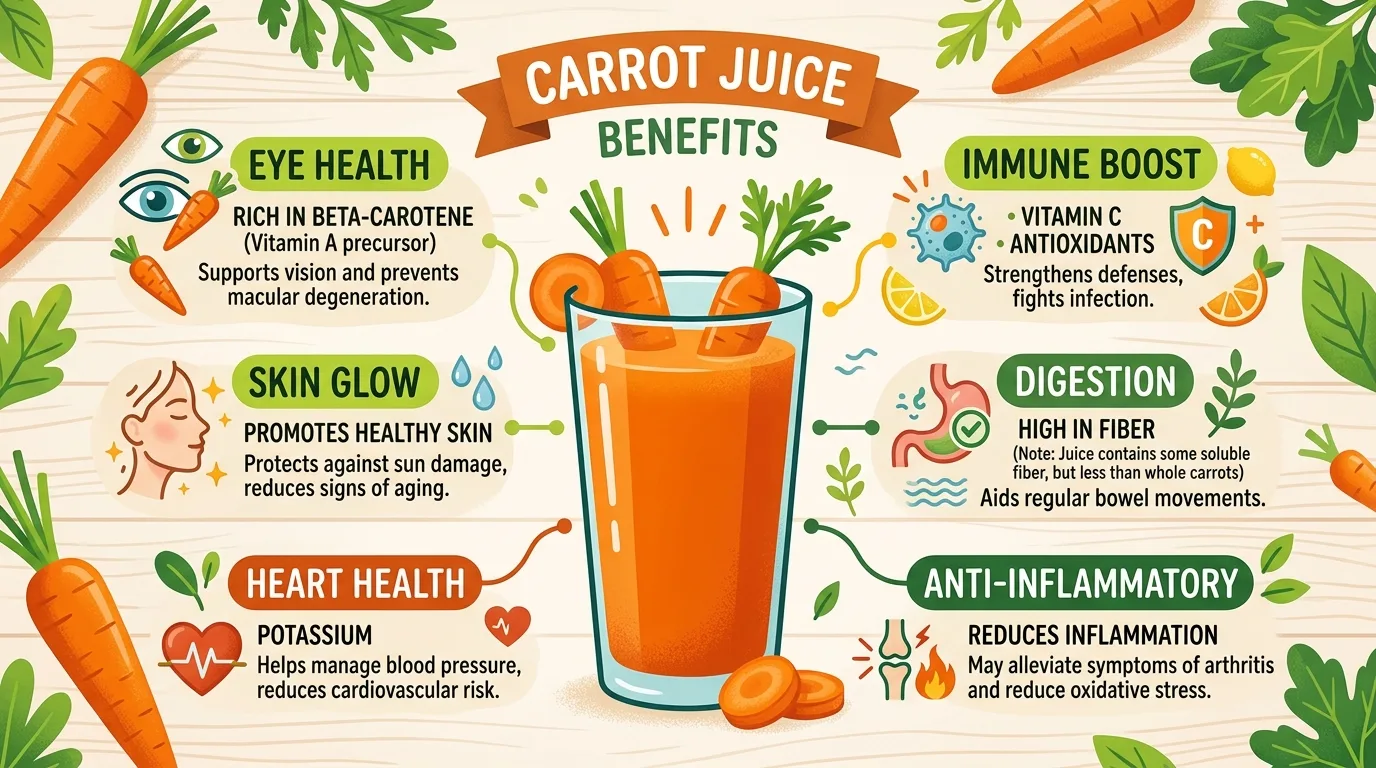
15 Carrot Juice Benefits
1. Improves Eye Health and Prevents Night Blindness
Carrot juice is best known for supporting vision, thanks to its high beta-carotene content. In the body, beta-carotene converts into Vitamin A in the liver, which is essential for producing rhodopsin, the pigment that helps your eyes see in low light. This is why regular intake may help prevent night blindness and dryness in the eyes. It also contains lutein and zeaxanthin, which protect the retina and reduce the risk of age-related macular degeneration.
2. Gives Glowing Skin and Slows Ageing
The antioxidants in carrot juice work wonders for skin health. Beta-carotene acts as a natural shield against UV damage and reduces oxidative stress that causes premature ageing. Vitamin C plays a key role in collagen production, helping maintain skin elasticity and reducing fine lines. With regular consumption over 3–4 weeks, many people notice improved skin tone, reduced acne, and a natural glow.
3. Boosts Immunity
Carrot juice is a strong immunity booster due to its rich Vitamin C content. This vitamin stimulates the production of white blood cells, which help fight infections and illnesses. Antioxidants further protect the body by neutralising harmful free radicals that weaken the immune system. It is especially helpful during seasonal changes, flu outbreaks, or recovery after illness.
4. Supports Heart Health
Heart health benefits of carrot juice come mainly from potassium and antioxidants. Potassium helps regulate blood pressure by balancing sodium levels in the body. Antioxidants prevent the oxidation of LDL (bad cholesterol), which is a major factor in plaque formation in arteries. If consumed as blended juice, the fibre content also supports healthy cholesterol levels.
5. Aids Weight Management
Carrot juice is low in calories—around 94 kcal per cup—making it ideal for weight management. Despite being light, it provides essential nutrients that keep your body energised. The natural fibre (especially in blended form) slows digestion and promotes a feeling of fullness, reducing cravings. It’s also a much healthier alternative to sugary packaged juices.
6. Detoxifies the Liver
Carrot juice supports the liver’s natural detoxification process. Carotenoids help activate liver enzymes that break down toxins efficiently. It also contains glutathione, a powerful antioxidant that helps neutralise harmful substances in liver cells. Regular consumption may support liver function and help reduce early signs of fatty liver when paired with a healthy lifestyle.
7. Regulates Blood Sugar
Despite its natural sweetness, carrot juice has a relatively low glycaemic index (around 43). This means it does not cause rapid spikes in blood sugar levels when consumed in moderation. Fibre helps slow down glucose absorption, while antioxidants improve insulin sensitivity. For people with prediabetes, limiting intake to about 150 ml per serving is advisable.
8. Strengthens Bones
Carrot juice contributes to bone health through its Vitamin K content. Vitamin K is essential for activating osteocalcin, a protein that binds calcium to bones. One cup provides about 30% of your daily Vitamin K requirement, making it a valuable addition to your diet. When combined with calcium-rich foods, it may help reduce the risk of osteoporosis, especially in women over 40.
9. Reduces Cancer Risk (Antioxidant Protection)
Carrots contain powerful compounds like beta-carotene, luteolin, and falcarinol, which have been studied for their potential anti-cancer properties. These antioxidants help reduce oxidative stress, which can damage DNA and lead to abnormal cell growth. While some observational studies suggest a protective effect, it’s important to note that carrot juice is not a cure but part of a balanced diet for overall health.
10. Supports Brain Health and Reduces Cognitive Decline
Certain nutrients in carrot juice also benefit brain function. Lutein accumulates in brain tissue and helps protect neurons from inflammation. Beta-carotene has been associated with slower cognitive ageing in older adults. Additionally, folate supports nerve cell repair and reduces homocysteine levels, which are linked to a higher risk of dementia.
11. Improves Digestion and Gut Health
Carrot juice, especially when blended, supports digestive health due to its fibre content. Fibre promotes regular bowel movements and prevents constipation. Potassium helps maintain proper muscle contractions in the digestive tract, aiding smooth digestion. It may also help soothe mild acidity and reduce stomach inflammation.
12. Reduces Inflammation
Carrot juice contains natural anti-inflammatory compounds like falcarinol and falcarindiol. These polyacetylenes help reduce inflammation in the body at a cellular level. Vitamin C and beta-carotene further work together to lower inflammatory markers such as CRP and IL-6. This makes carrot juice beneficial for conditions like arthritis and chronic inflammation.
13. Carrot Juice Benefits for Pregnancy
Carrot juice can be a healthy addition to a pregnancy diet when consumed in moderation. Folate is crucial in early pregnancy as it supports neural tube development and helps prevent birth defects. Vitamin A from beta-carotene supports the baby’s eye, skin, and immune development. However, pregnant women should limit intake to one small glass per day and consult their doctor for personalised advice.
14. Carrot Juice Benefits for Men
Carrot juice also supports men’s health in multiple ways. Antioxidants and trace minerals like zinc contribute to healthy testosterone levels and improved sperm quality. Beta-carotene may help protect prostate cells from oxidative stress. Additionally, potassium supports heart health, which is particularly important for men over 40.
15. Carrot Juice Benefits for Skin, Hair, and Nails
Beyond skin glow, carrot juice also strengthens hair and nails. It contains biotin and Vitamin E, which nourish hair follicles and may reduce hair fall. Vitamin C supports keratin production, the protein responsible for strong hair and nails. Trace minerals like silicon further improve scalp health and promote thicker, healthier hair growth.
Best time to drink carrot juice
1. Morning on an empty stomach (Best choice)
Starting your day with carrot juice helps maximise nutrient absorption, especially beta-carotene, which converts into Vitamin A more efficiently on an empty stomach. It also hydrates the body after overnight fasting and gives a natural energy boost. This is the ideal time if you're drinking it for skin, immunity, or detox benefits.
2. Before a workout (Natural energy boost)
Carrot juice contains natural sugars that provide quick, clean energy without the crash of processed drinks. Having it 30–45 minutes before exercise can improve stamina and keep you energised. It’s a great alternative to artificial pre-workout beverages.
3. With a meal (Better nutrient absorption)
Pairing carrot juice with a meal that includes healthy fats—like ghee, nuts, seeds, or avocado—can significantly improve absorption of fat-soluble nutrients. Beta-carotene, in particular, can be absorbed up to 65% better when consumed with dietary fat, making this a smart combination.
4. When to avoid
It’s best to avoid drinking carrot juice late at night. The natural sugars may slightly spike blood sugar levels and could interfere with sleep in some individuals.
How much carrot juice should you drink per day?
-
Recommended daily intake
For most adults, 150–240 ml (one small to medium glass) per day is ideal. This amount gives you the benefits of key nutrients like beta-carotene and Vitamin C without overloading on natural sugars. -
Upper limit (avoid excess)
It’s best not to exceed 500 ml per day regularly. Overconsumption may lead to excess beta-carotene buildup, which can cause skin yellowing (carotenemia) and unnecessary calorie intake. -
For people with diabetes
Limit intake to 100–150 ml per serving and monitor your blood sugar response. Pairing it with fibre or healthy fats can help reduce glucose spikes. -
For children (5–12 years)
About 100 ml diluted with water is a safe and nutritious option. It provides essential vitamins while keeping sugar intake balanced.
Carrot juice side effects
1. Carotenemia (yellowish skin tint)
One of the most common side effects of excessive carrot juice intake is carotenemia. This happens when too much beta-carotene builds up in the body, causing the skin especially palms and soles to turn yellowish-orange. The good news is that this condition is harmless and fully reversible once intake is reduced.
2. Blood sugar spikes
Carrot juice has natural sugars, so consuming it in large quantities may lead to mild blood sugar spikes. This is especially important for people with diabetes or insulin resistance. To stay safe, portion control is key and it’s better to pair it with fibre or healthy fats.
3. Vitamin A toxicity (very rare)
True Vitamin A toxicity is extremely unlikely from carrot juice because it contains beta-carotene, which the body converts into Vitamin A only as needed. However, people already taking Vitamin A supplements should be cautious to avoid excessive total intake from multiple sources.
4. Digestive discomfort
Drinking too much carrot juice too quickly can sometimes cause bloating or mild stomach discomfort. This is more likely in individuals with sensitive digestion or conditions like IBS. Starting with small amounts and gradually increasing intake can help avoid this issue.
5. Drug interactions
Carrot juice is naturally rich in Vitamin K, which plays a role in blood clotting. In large amounts, it may interfere with blood-thinning medications such as warfarin. If you are on such medication, it’s important to consult a doctor before consuming carrot juice regularly.
How to make carrot juice at home (quick guide)
Making fresh carrot juice at home is simple, quick, and much healthier than packaged options. Here’s an easy step-by-step method you can follow:
Ingredients
- 3 - 4 medium fresh carrots
- 1-inch piece of ginger (optional, for digestion and taste)
- Juice of half a lemon
- A pinch of black pepper (helps improve beta-carotene absorption)
- 100 ml water for blending
Steps to Prepare
- Wash the carrots thoroughly and peel them to remove dirt and bitterness.
- Chop them into small chunks for easy blending.
- Add carrots and water into a blender and blend until smooth.
- Strain the mixture if you prefer clear juice, or keep the pulp for extra fibre.
- Add lemon juice and a pinch of black pepper, mix well, and serve immediately.
Pro Tips for Better Taste & Benefits
- Add an apple for natural sweetness without refined sugar.
- Add beetroot for an extra iron and stamina boost.
- Add a pinch of turmeric for added anti-inflammatory benefits.
Carrot juice vs eating whole carrots - which is better?
Both carrot juice and whole carrots are highly nutritious, but they work differently in the body. The better option depends on your health goal, whether you want quick nutrient absorption or long-lasting fibre benefits.
Quick Comparison
|
Factor |
Carrot Juice |
Whole Carrots |
|
Nutrient concentration |
Higher per serving |
Lower per serving |
|
Dietary fibre |
Lower (juiced) / Same (blended) |
Higher |
|
Beta-carotene absorption |
Better (broken cell walls) |
Slightly lower |
|
Calories |
~94 kcal per cup |
~41 kcal per 100g |
|
Best for |
Quick nutrient boost |
Weight loss, gut health |
|
Convenience |
Ready to drink |
Requires chewing/cooking |
Verdict
Both are excellent choices and can easily fit into a healthy diet. Carrot juice is better for fast nutrient absorption and vitamin intake, especially for skin, immunity, and eye health. On the other hand, whole carrots are better for fibre intake, digestion, and blood sugar control, making them ideal for weight management and gut health.
FAQs
Q1. What are the benefits of drinking carrot juice daily?
Daily carrot juice provides a rich dose of Vitamin A for eye health, Vitamin C for immunity, and potassium for heart health. Its antioxidants help protect cells from damage caused by free radicals. When consumed in moderation (150–240 ml per day), it also supports glowing skin, healthy digestion, and liver detoxification.
Q2. Is it good to drink carrot juice every day?
Yes, drinking one glass of carrot juice daily is generally safe for most healthy adults. It can be a simple way to improve nutrient intake and overall wellness. However, people with diabetes, those on blood-thinning medication, or pregnant women should limit intake and consult a healthcare professional before making it a daily habit.
Q3. What is the best time to drink carrot juice?
The best time to drink carrot juice is in the morning on an empty stomach or before meals. This improves nutrient absorption, especially beta-carotene. For even better results, pairing it with healthy fats like nuts or seeds can significantly enhance vitamin absorption.
Q4. Does carrot juice help with weight loss?
Carrot juice can support weight loss when included in a balanced diet. It is low in calories (around 94 kcal per cup) and helps keep you full for longer, reducing unnecessary snacking. However, it should be consumed in moderation due to its natural sugar content.
Q5. Can carrot juice improve skin?
Yes, carrot juice can improve skin health over time. Beta-carotene helps protect against UV damage, while Vitamin C supports collagen production, improving skin firmness and glow. With regular intake, many people notice clearer and more radiant skin within a few weeks.
Q6. Is carrot juice good for diabetics?
Carrot juice has a moderate natural sugar content but a relatively low glycaemic index. Diabetics can consume small portions (100–150 ml) with meals. It is important to monitor blood sugar levels and consult a doctor before including it regularly in the diet.
Q7. What happens if I drink too much carrot juice?
Excess carrot juice intake may lead to carotenemia, where the skin turns slightly yellow-orange. It may also cause mild blood sugar spikes or digestive discomfort in some individuals. Limiting intake to one glass per day helps avoid these side effects.
Q8. Is carrot juice good for the liver?
Yes, carrot juice supports liver health due to its antioxidants like carotenoids and glutathione. These compounds assist the liver’s natural detoxification process and may help reduce early signs of fatty liver when combined with a healthy lifestyle.
Conclusion
Carrot juice is one of the most affordable and nutrient-dense drinks you can easily add to your daily routine. From improving eye health and boosting immunity to supporting heart, skin, and liver function, its benefits are wide-ranging and backed by nutrition science. When consumed in the right amount, it can be a simple yet powerful step toward better overall health.
Want to know if your Vitamin A or Vitamin C levels are optimal? Book a Full body checkup at Redcliffe Labs; home sample collection is available across India.
Reference
https://fdc.nal.usda.gov/
https://ods.od.nih.gov/factsheets/VitaminA-HealthProfessional/
https://ods.od.nih.gov/factsheets/VitaminC-HealthProfessional/
https://ods.od.nih.gov/factsheets/VitaminK-HealthProfessional/
https://www.hsph.harvard.edu/nutritionsource/carotenoids/