Megaloblastic Anemia: Everything You Need to Know

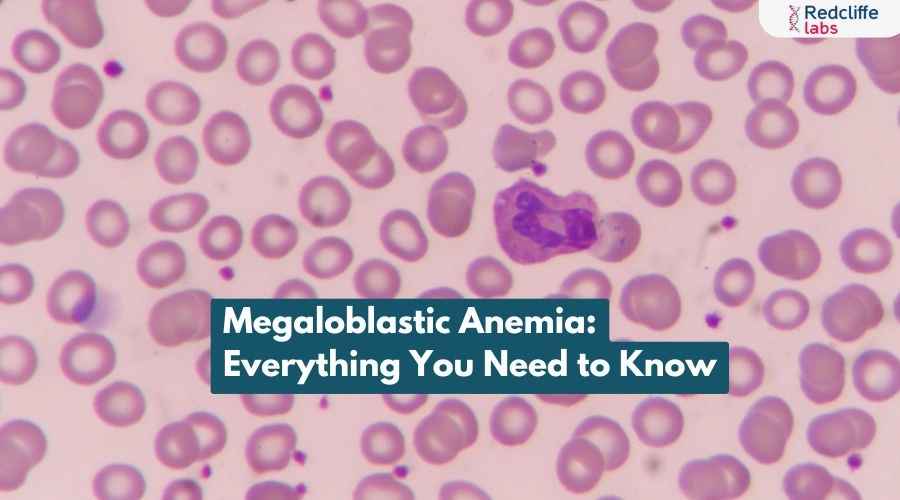
When your body doesn't get the nutrients it needs, it starts showing signs in subtle ways. You may feel exhausted after doing very little, notice unusual paleness, forget things more often, or feel tingling in your hands and feet. These signs may seem random, but together, they can point toward a condition called megaloblastic anemia. This type of anemia occurs when your body cannot produce healthy red blood cells. Instead, it produces oversized, immature cells that don't function as they should. The most common reasons behind this are low vitamin B12 and low folate levels.
The condition may sound complicated, but understanding it doesn't have to be. In this blog, we'll explain what megaloblastic anemia is, why it happens, who is at risk, what symptoms to watch for, and how it can be treated before it starts affecting your quality of life.
What Is Megaloblastic Anemia?
Megaloblastic anemia is a type of macrocytic anemia, which means the red blood cells are larger than normal. But size is not the only issue. These blood cells are also poorly formed and less efficient, which affects their ability to carry oxygen around the body. This can lead to symptoms like weakness, fatigue, pale skin, shortness of breath, and, in some cases, nerve-related problems.
In simple words, your body is trying to make blood, but it is not making healthy blood the right way.
Why Does It Happen?
To make healthy red blood cells, your body needs the right building materials. Two of the most important are the following:
- Vitamin B12
- Folate (Vitamin B9)
These vitamins help your body make DNA, which is needed for cells to grow and divide properly. When your body doesn't have enough of them, red blood cells cannot mature properly. Instead, they grow too large and remain underdeveloped. That is what leads to megaloblastic anemia.
What are the main Causes of Megaloblastic Anemia?
Here are the main causes of Megaloblastic Anemia:
This is one of the most common causes. Vitamin B12 is needed for proper blood cell formation and nerve function. If your body does not get enough B12 or cannot absorb it well, anemia can develop. This is especially common in people with digestive disorders, strict vegan diets, or poor absorption.
2) Folate Deficiency
Folate is another important vitamin needed to make healthy red blood cells. Low folate levels can happen due to poor diet, alcohol use, malabsorption, pregnancy, or certain medicines. Folate deficiency may develop faster than B12 deficiency because the body stores less of it.
3) Poor Nutrient Absorption
Sometimes, the issue is not what you eat, but what your body can absorb. Conditions like Crohn's disease, celiac disease, stomach surgery, or intestinal problems can reduce the body's ability to absorb B12 or folate properly.
4) Pernicious Anemia
Pernicious anemia is an autoimmune condition in which the body cannot absorb vitamin B12 properly because it lacks intrinsic factor, a protein needed for B12 absorption. This is a major cause of long-term B12 deficiency in many adults.
5) Certain Medicines
Some medicines can interfere with how your body absorbs or uses B12 and folate. These may include certain anti-seizure medicines, chemotherapy drugs, or long-term acid-reducing medications. If symptoms begin after prolonged medication use, doctors may investigate this possibility.
6) Alcohol Use
Heavy alcohol use can affect nutrition, reduce folate absorption, and interfere with red blood cell production. Over time, this can contribute to megaloblastic changes in the blood.
Symptoms of Megaloblastic Anemia
The symptoms may develop slowly, which is why many people ignore them at first. But as the deficiency worsens, the signs become more noticeable.
Common Symptoms
- Fatigue
- Weakness
- Pale or yellowish skin
- Shortness of breath
- Dizziness
- Fast heartbeat
- Headaches
- Loss of appetite
- Weight loss
- Sore or smooth tongue
Symptoms Related to Vitamin B12 Deficiency
Vitamin B12 deficiency can also affect the nervous system, which makes it different from simple tiredness or routine anemia.
1) Tingling or numbness
A person may feel pins and needles in the hands or feet. This happens because low B12 can affect the nerves over time. If ignored for too long, nerve damage may become harder to reverse.
2) Poor balance
Some people begin to feel unsteady while walking or feel like their coordination is off. This can occur when nerve function is impaired by long-standing B12 deficiency.
3) Memory and mood changes
Brain fog, forgetfulness, confusion, irritability, and low mood can also happen in some cases. These symptoms are often overlooked or blamed on stress.
Who Is at Higher Risk?
Some people are more likely to develop megaloblastic anemia than others.
High-risk groups include:
1) Vegetarians and vegans
Vitamin B12 is mostly found in animal-based foods like meat, eggs, dairy, and fish. People who avoid these foods entirely may be at higher risk of B12 deficiency if they do not consume fortified foods or supplements.
2) Older adults
As people age, the body may absorb vitamin B12 less efficiently. This makes older adults more vulnerable to deficiency and anemia, especially if they already have digestive issues or poor appetite.
3) People with gut disorders
Conditions such as Crohn's disease, celiac disease, or those who have had stomach or bowel surgery may struggle to absorb nutrients properly. That increases the risk of both folate and B12 deficiency.
4) Pregnant women
Folate needs increase during pregnancy. If the diet is not balanced or supplements are missed, folate deficiency can develop more easily.
5) People with long-term alcohol use
Alcohol can affect nutrient absorption and reduce folate levels, increasing the risk of anemia over time.
How Is Megaloblastic Anemia Treated?
Treatment depends on the cause, and that is very important. Simply taking iron or random supplements may not solve the issue if the actual problem is a vitamin B12 or folate deficiency.
Treatment options may include:
1) Vitamin B12 Supplements
If B12 deficiency is the cause, treatment may include oral supplements, under-the-tongue forms, nasal options, or B12 injections, especially in cases of poor absorption or pernicious anemia.
2) Folic Acid Supplements
If folate deficiency is the issue, doctors may prescribe folic acid tablets for a specific period while also addressing the underlying cause, such as a poor diet or malabsorption.
3) Dietary Changes
Food plays a major role in recovery. A balanced diet with B12- and folate-rich foods can help improve blood health and reduce the chance of recurrence.
4) Treating the Underlying Cause
If the problem is due to celiac disease, Crohn's disease, alcohol use, medicine side effects, or poor absorption, that issue must also be addressed for long-term improvement.
5) In Severe Cases
If anemia is very severe and symptoms are intense, doctors may sometimes recommend urgent medical management. This depends on the person's condition and test reports.
What are the best Foods for Megaloblastic Anemia?
Food alone may not fix every case, especially if absorption is poor, but diet still matters a lot.
Foods Rich in Vitamin B12
- Eggs
- Milk and dairy products
- Fish
- Chicken
- Meat
- Fortified cereals
Foods Rich in Folate
- Spinach
- Broccoli
- Green leafy vegetables
- Beans and lentils
- Citrus fruits
- Peanuts
- Fortified grains
Important Note: If your body cannot absorb B12 properly, food alone may not be enough. In such cases, supplements or injections may be necessary. That is why proper diagnosis matters.
Final Thoughts
Megaloblastic anemia may begin quietly, but over time, it can affect how you feel, think, and function every single day. What often starts as just tiredness can actually be your body asking for something important, most commonly vitamin B12 or folate. The good thing is that this condition is detectable, manageable, and often treatable, especially when caught early. So if you've been feeling unusually weak, dizzy, low on energy, or simply "not like yourself," don't ignore those signs. Your body usually whispers before it starts shouting.
And when it comes to your health, clarity matters. If you're planning to get your anemia profile, vitamin B12, folate, or CBC test done, Redcliffe Labs can make it easier with their free home sample collection service, so you can get tested comfortably from home, without delaying what your body may already be trying to tell you. Because sometimes, one simple test can answer what months of tiredness couldn't.
FAQs
1) What is megaloblastic anemia?
Megaloblastic anemia is a type of anemia in which the body produces abnormally large, unhealthy red blood cells. These cells do not carry oxygen properly, which can make you feel tired, weak, dizzy, or short of breath. It usually happens due to a vitamin B12 or folate deficiency.
2) What causes megaloblastic anemia?
Megaloblastic anemia usually occurs when the body lacks sufficient vitamin B12 or folic acid to produce healthy red blood cells. It can also be caused by a poor diet, gut problems, low nutrient absorption, certain medications, alcohol use, or health conditions that affect nutrient absorption.
3) Is megaloblastic anemia serious?
Yes, it can become serious if it is not treated on time. In the beginning, it may cause only tiredness and weakness, but over time, it can lead to severe fatigue, nerve problems, poor balance, memory issues, and other health complications. Early diagnosis and treatment can help prevent these problems.
4) How is megaloblastic anemia different from anemia?
Anemia is a general condition where the body does not have enough healthy red blood cells. Megaloblastic anemia is a specific type of anemia in which red blood cells are larger than normal and poorly formed, usually due to vitamin B12 or folate deficiency.
5) Who is most at risk for megaloblastic anemia?
People who eat very little animal-based food, such as strict vegetarians or vegans, may be at higher risk. It is also more common in older adults, pregnant women, people with digestive disorders, alcohol dependence, or those whose bodies have trouble absorbing vitamin B12 or folate properly.
6) Is vitamin B12 deficiency the main cause of megaloblastic anemia?
Yes, vitamin B12 deficiency is one of the most common causes of megaloblastic anemia. Your body needs vitamin B12 to make healthy red blood cells and support nerve function. When B12 levels are too low, the body starts producing large, unhealthy blood cells that do not work properly.
7) Can folic acid deficiency lead to megaloblastic anemia?
Yes, folic acid deficiency can also cause megaloblastic anemia. Folate helps the body make healthy red blood cells. If your diet is low in folate or your body is not absorbing it properly, red blood cell production can be affected, leading to tiredness, weakness, and other anemia-related symptoms.
8) What foods cause or prevent megaloblastic anemia?
Megaloblastic anemia is often linked to deficiencies in vitamin B12 and folate. To help prevent it, include eggs, milk, fish, meat, green leafy vegetables, beans, lentils, and citrus fruits in your diet. Poor nutrition over time can increase the risk of developing this condition.